

Some sports may not look particularly intense, yet can surprise you with how challenging they are. Pilates classes are a good example: they can help you sculpt a lean figure while improving your posture. Pilates workouts are a modern mix of physical exercise and movements from callanetics, ballet and yoga, performed to relaxing music. Pilates helps improve flexibility and tone your muscles. Along with shedding excess inches, an hour-long session also clears away the stress built up during the day. Unlike other types of exercise, Pilates movements are performed slowly in a sequence, with an emphasis on breathing and focus. The movements may look simple, but performing them “cleanly” takes considerable muscle strength.
History
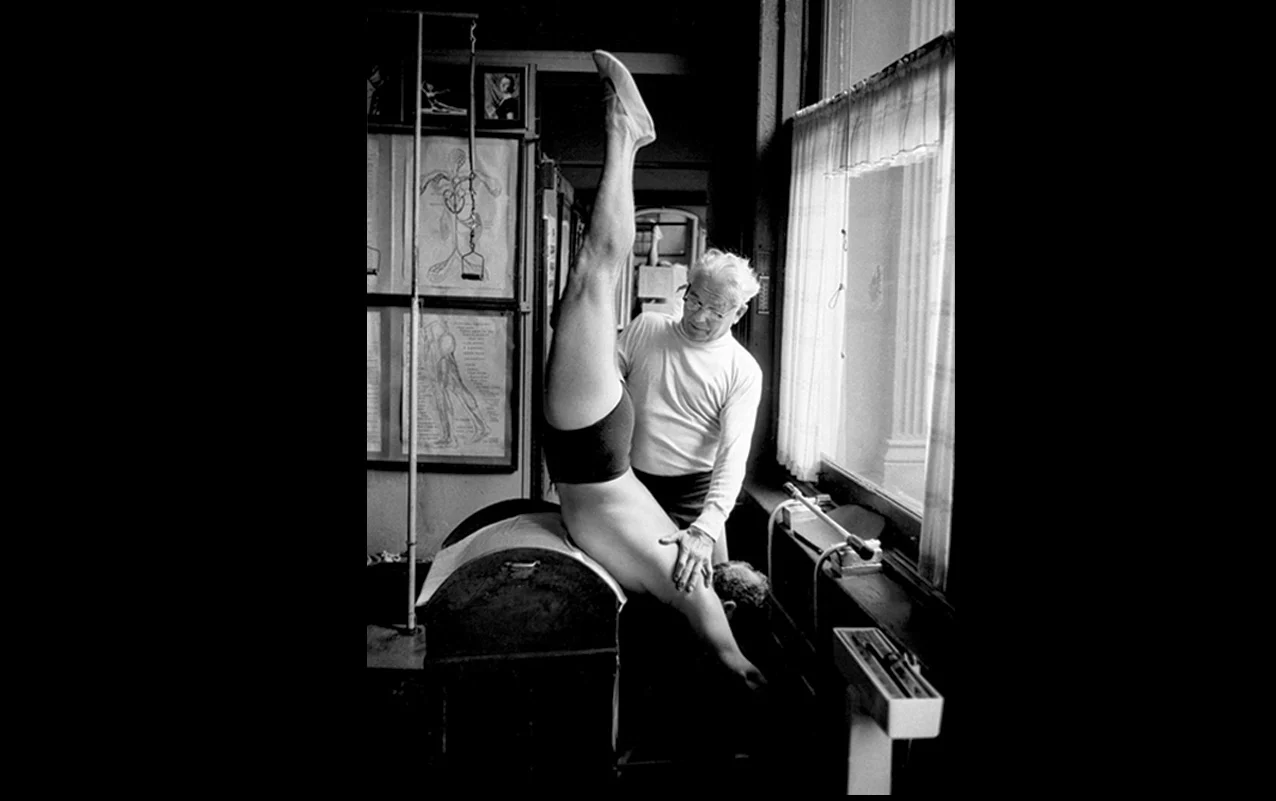
Pilates was created in the early 20th century by German-born Joseph Pilates. As a child, he suffered from asthma, rickets and rheumatism. To overcome these illnesses, he took up sports, including skiing, diving, gymnastics and bodybuilding. Pilates believed that poor health was caused by poor posture, incorrect breathing and a lack of physical activity, and that mental and physical health were interconnected. This means that when our minds are free of stress, we feel in harmony with ourselves and the world around us. We feel happy in the present moment, and this makes us physically healthy.
Read more: Bulgarian Paralympians: stories of the strength of the human spirit
In 1912, Joseph Pilates moved to England, where he worked as a self-defence instructor at “Scotland Yard”. At the beginning of World War I, he was interned with other Germans as a citizen of an enemy country. To lift the spirits of the internees at Lancaster, Joseph began training them with the exercises he had developed for himself to stay in good physical shape. After World War I, Pilates returned to Germany, where he continued developing his ideas and training method. When he was invited to train the German army, he decided to leave Germany for good and emigrated to the US in 1926. During the voyage, he met his future wife, Clara. Together, they opened a fitness studio in New York. By the early 1960s, Pilates had become extremely popular among New York dancers, as his unique therapeutic method proved especially suitable for professional dancers, who often suffered serious physical injuries.
Workouts
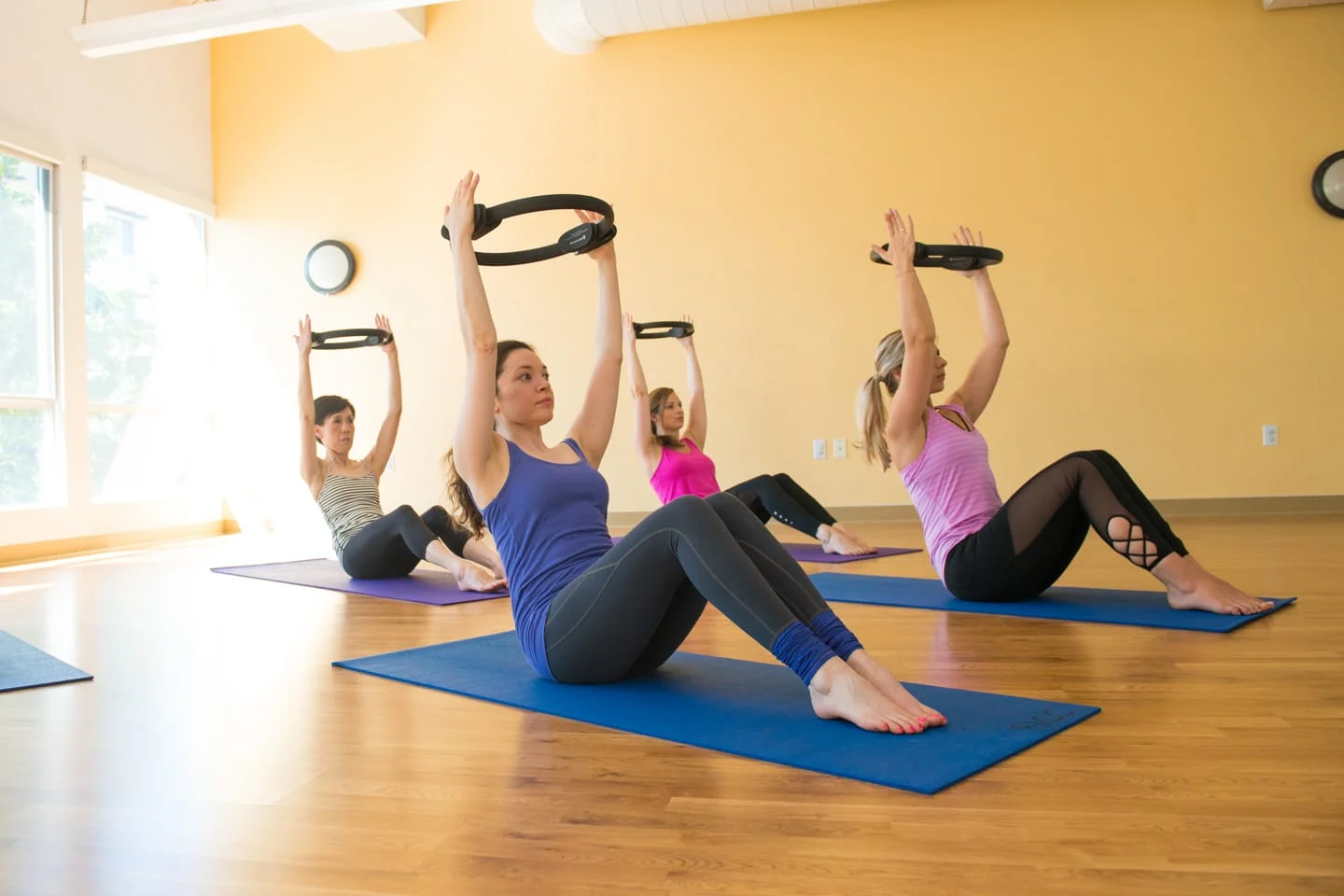
For those of you hearing about Pilates workouts for the first time, it’s worth noting that Pilates is very similar to yoga. Exercises are performed on a mat on the floor, with various equipment such as balls, resistance bands, springs, hoops and dumbbells added for extra challenge. These help disrupt your balance, making the muscles responsible for stabilising your body contract. Each exercise has three difficulty levels: beginner, intermediate and advanced. The intensity of the movements depends on your individual fitness level. All movements are performed smoothly and slowly, flowing from one into the next. Along with toning and increasing muscle flexibility, the aim of this group workout is to help your body achieve natural grace, with a focus on breathing. The exercises are designed so that you cannot make your body perform them without thinking or focusing on the movement of each individual body part.
Read more: TOP 5 exercises for a sexy bottom
Pilates mainly uses your body weight to improve overall muscle tone through different positions and movements. Pilates exercises aim to work all muscle groups evenly through dynamic and isometric exercise, without neglecting any part of the body. Alternating between sitting, lying and standing positions gives your muscles a thorough workout.
During a standard one-hour workout you can burn nearly 300 calories.
Benefits
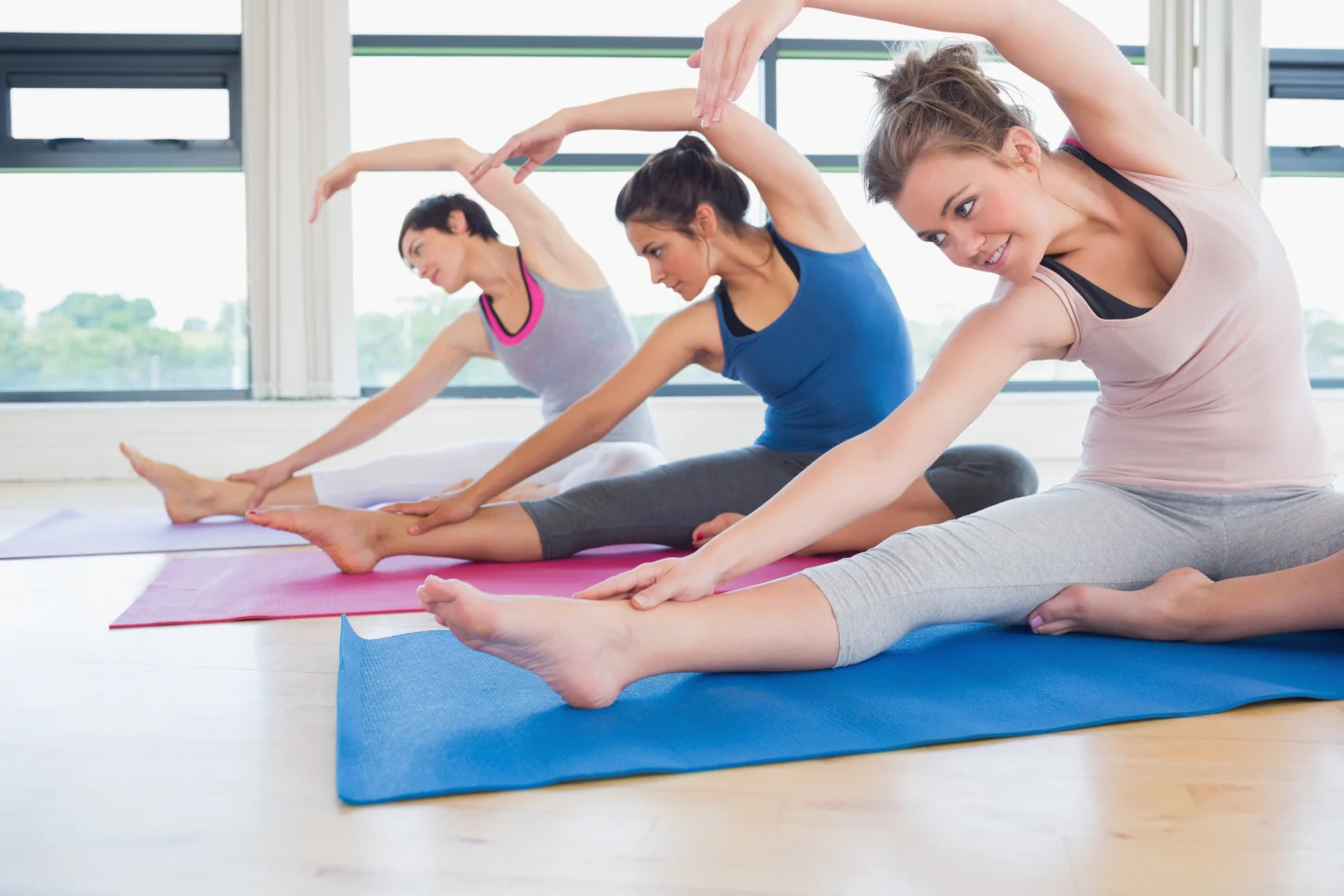
Pilates workouts offer numerous benefits for your health and help you stay in excellent shape. Here are the most important ones:
- Body shaping and weight loss
Regular, dedicated Pilates practice is guaranteed to shape and tone some of the most problematic areas for women—the abdomen, thighs and buttocks. Practising this group activity often helps improve and speed up your metabolism, making it easier to lose weight and flush out retained water and toxins. With more practice, your flexibility will also improve.
Read more: How to recover your muscles after a workout
- Relief from back pain
A sedentary lifestyle can cause back pain. One of the main proven benefits of Pilates is that it helps relieve this pain, as the practice mobilises the joints and muscles and promotes correct, upright posture.
- Stress relief
Since some Pilates movements and poses are similar to those in yoga, we can confidently say that Pilates helps eliminate stress and tension. The focus and dedication required of your body and mind during a workout can clear away any troubling thoughts. Some of these movements help balance the body’s stress hormone levels, giving us positive energy and making us feel happier after a workout.
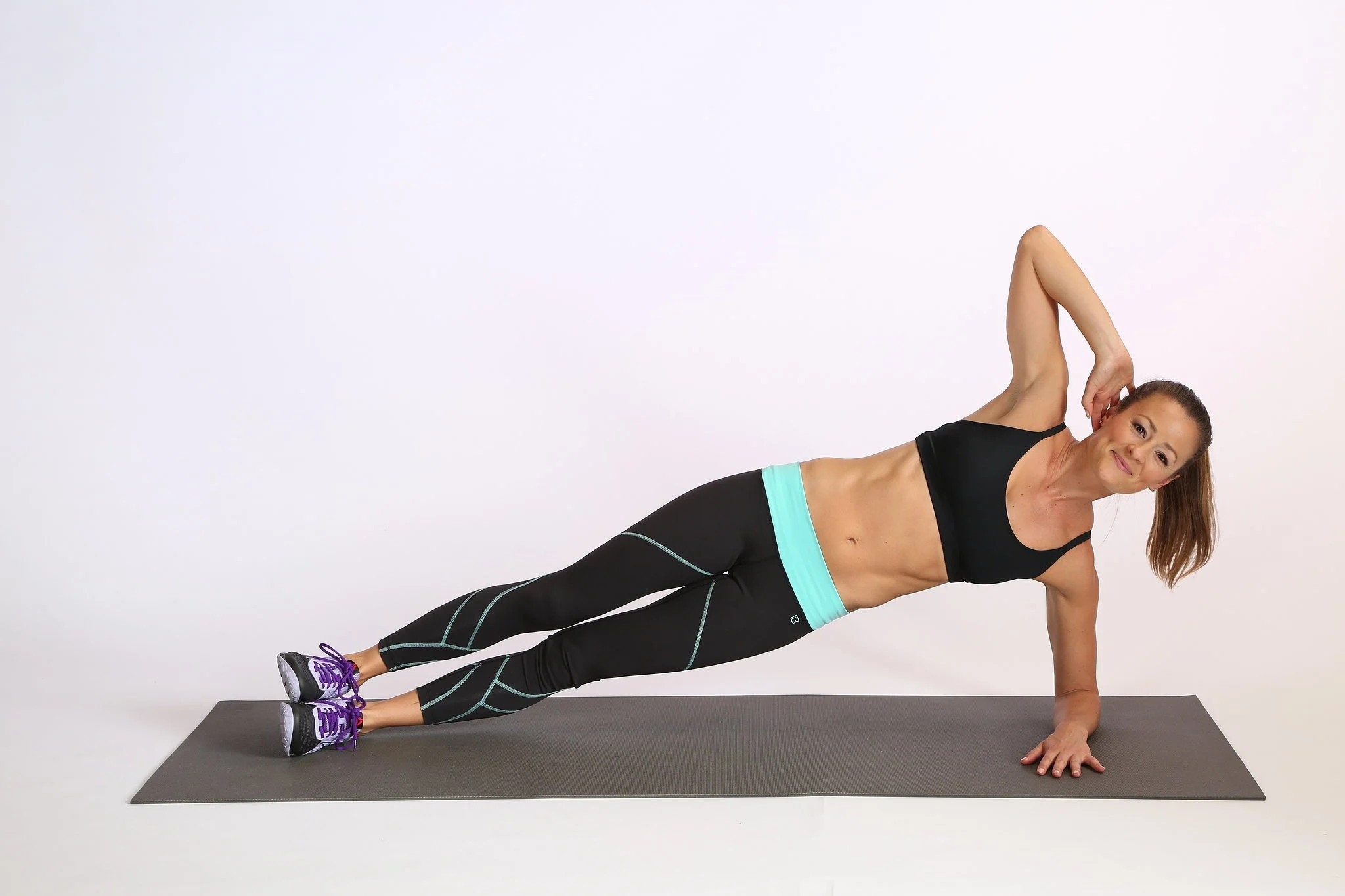
- Improved breathing
Breathing is a key component of the Pilates method. It may seem insignificant, but proper breathing is essential for the body to function well. Pilates aims to focus your attention on your breathing to increase the oxygen in your blood and deliver it to every part of your body.
- Increased strength
Pilates workouts mainly use your body weight, improving overall muscle tone through a variety of positions and movements. Healthy, strong muscles are essential for better fitness and help reduce fatigue, pain and discomfort. Regular Pilates training can significantly increase your physical strength and endurance.
Read more: CrossFit in focus: Why is it such a hit around the world and here at home?
Pilates is a triumph of body and mind. It offers many benefits, but the most important is the self-confidence you’ll gain after just a few workouts.
View the Pulse Fitness & Spa schedule here and never miss a Pilates group class again.