

Our body is a well-oiled machine, and everything in it works in sync to keep it functioning properly. If you’ve decided to start working out because you’ve heard that exercise is good for your health, you’ve made the right choice. By exercising, you take better care of yourself and your health. Working out four times a week offers many benefits—for both your figure and your confidence. But have you ever thought about what it takes for your body to recover after an exhausting workout? Muscle soreness is a sign that you’ve worked your muscles hard enough and need to make sure they get plenty of rest so you have the energy for your next workout. We recommend that you don’t work out every day—or at least don’t train the same muscle group every day. Muscles need time to recover, as they grow and get stronger while you rest, not during an exhausting workout.

Most people turn to mild painkillers such as Aspirin and Benalgin to prevent stiffness and the discomfort of muscle soreness, but there are other, much more enjoyable options. Various spa treatments can provide incredible relief, while replenishing your body with the valuable mineral magnesium can strengthen your body and support your well-being.
Read more: 5 ways to welcome spring with new healthy habits
SPA Zone
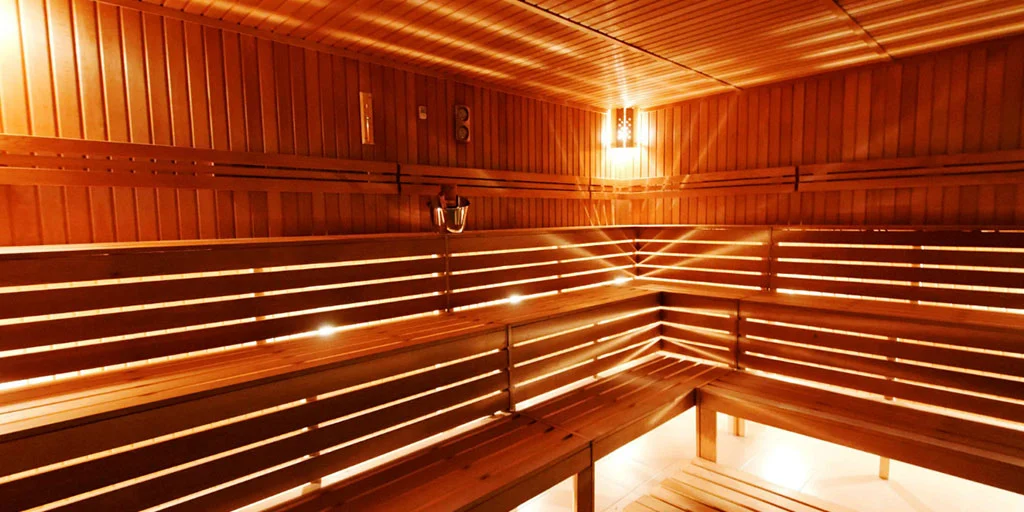
There’s nothing better after a long workout than visiting the spa area at your fitness club. Relaxing treatments will not only help you unwind and enjoy the peace and quiet around you, but also support muscle recovery after a workout. Another bonus is that spa treatments can help burn excess fat and sculpt a toned figure. You can combine a steam bath with a sauna or choose just one of the areas. You’ll feel immediate relief from muscle soreness, as the steam and sauna naturally and pleasantly relax your body and muscles.
The sauna lowers blood pressure and improves the body’s vitality. Massages and muscle recovery treatments are essential parts of the spa area. They help remove waste products from the muscles, restore muscle tone and disperse lactic acid, which is what causes muscle soreness. Contrast or cool showers also play an important role. They boost metabolism and regulate blood circulation and flow.
Read more: Leg Day: What you need to know about leg workouts
Magnesium

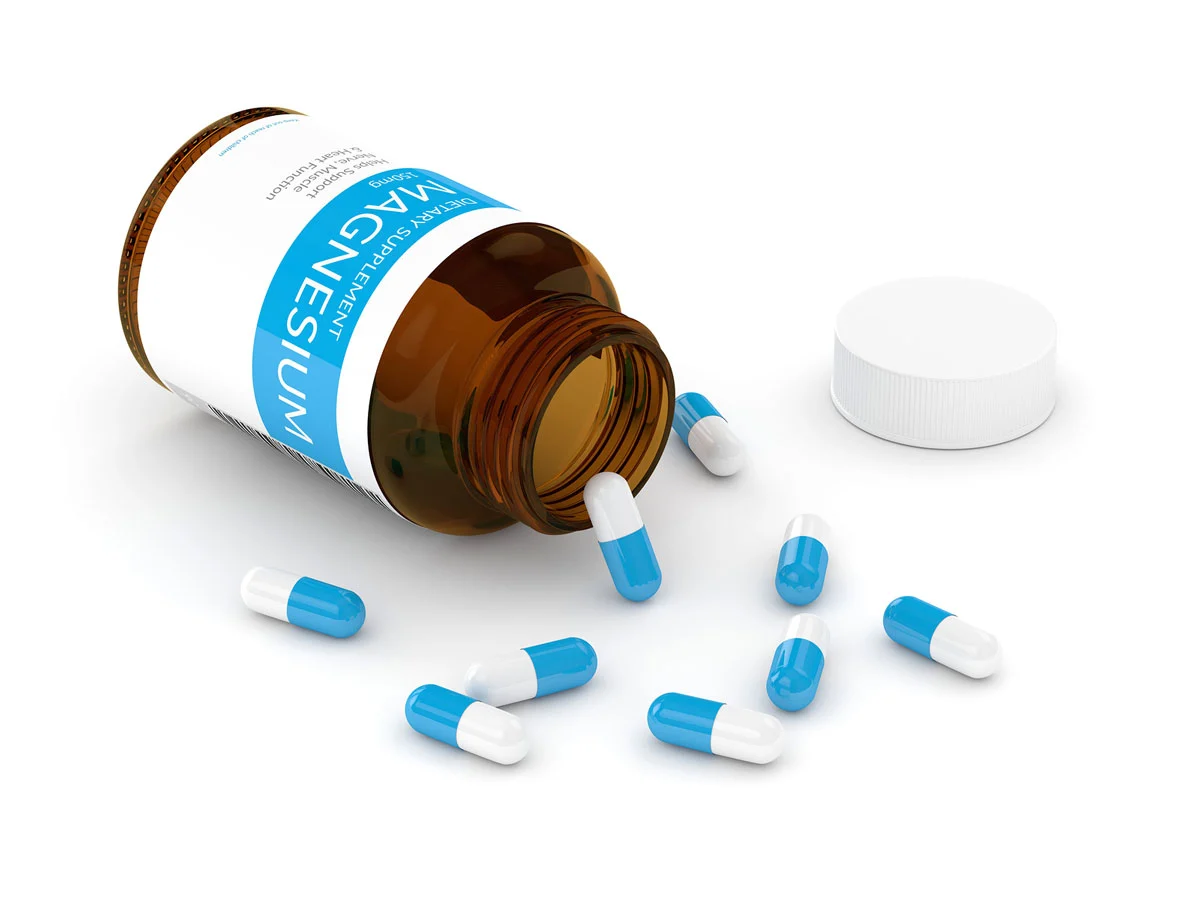
Magnesium is a mineral that is extremely important for anyone who exercises regularly. It helps muscles recover and can be obtained through food or taken as a dietary supplement.
Read more: Supplements and fitness: Which ones are right for beginners and advanced athletes?
BCAA
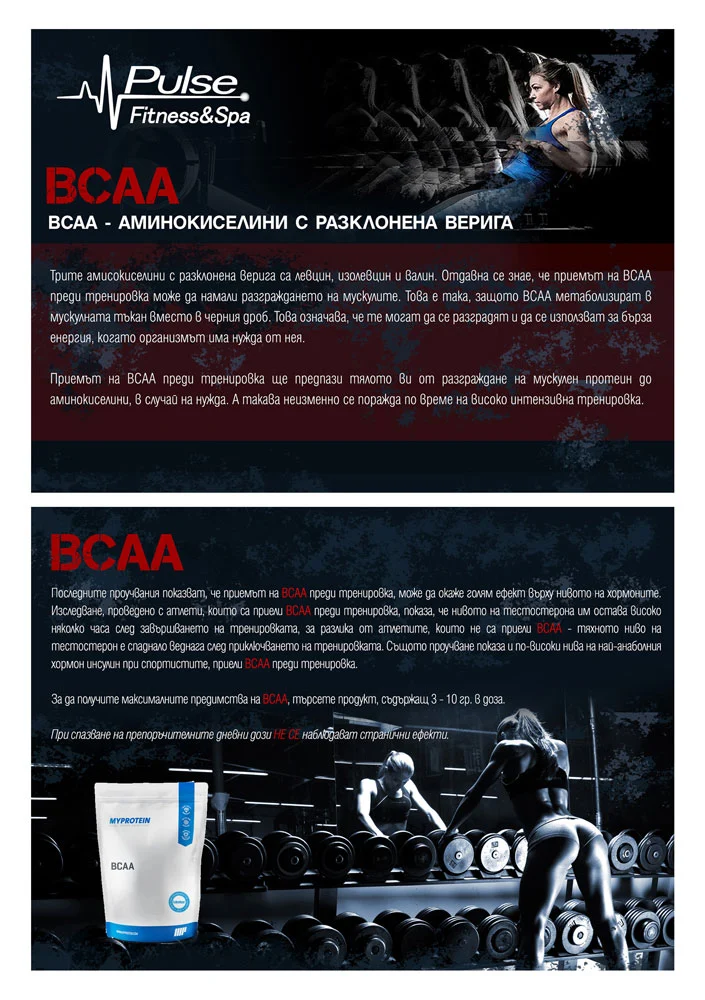
BCAA (branched-chain amino acids) are amino acids with a branched structure. We consume them daily through protein-rich foods such as eggs, meat, fish and nuts. Their main function is to break down proteins in the body, thereby providing it with energy for growth. BCAAs are among the building blocks of muscle and are involved in many other metabolic processes. The human body cannot produce these amino acids on its own, so it is important to get them through food or dietary supplements. Their key role in muscle composition and growth also makes them important during post-workout recovery. Supplementing with BCAAs reduces lactate levels after exercise, helping muscles recover quickly, easily and effectively.
Stretching

Stretching is an essential part of a workout, but unfortunately, some people still skip it. Five minutes at the end of each workout is enough to stretch your muscles and restore normal blood circulation. Stretching helps muscles recover faster, and on days when you’re not strength training at the club, you can join group classes such as Yoga and Pilates, which will also help you stretch. Combine them with swimming on days between workouts. Swimming engages all muscle groups and is the best way to maintain even blood flow to your limbs, which is also a sure way to prevent muscle soreness.
Sleep and water
Our final two tips may seem obvious, but you’d be surprised how many people who work out don’t get enough sleep or drink enough water.
Don’t be one of them!
Quality sleep is essential for your body to recover on its own after physical exertion. Adults need 8 hours of sleep a day to fully “recharge their batteries.” A good night’s sleep restores your muscles, gives you energy for your next workout and even helps burn calories.
Good hydration is another natural muscle remedy. Since muscles are made up of 75% water, a lack of hydration can lead to a long and difficult recovery after a workout. We recommend setting a daily water intake target and sticking to it. You can download a suitable app or simply set an alarm to remind you. We know it can be difficult sometimes, but the optimal daily water intake is 2 liters—and for someone who works out, that should be considered the absolute minimum.

Don’t underestimate the need for your muscles to recover after a workout. If you want to stay in good physical shape, you need to take care of your body before, during and after exercise. Consult your personal trainer about taking dietary supplements, and don’t miss the wonderfully relaxing benefits of the spa area at your fitness club. Your body will truly thank you.