

Balance and coordination are among the key factors for success in many sports. For people who practice gymnastics or surfing, for example, good balance is essential, while coordination is important in sports involving hitting or throwing a ball. Both play an important role not only in developing different skills, but are also essential to a person’s overall fitness.
Read more: How often and how should we train?
As children, we all did balance and coordination exercises without even realizing it—running, jumping, climbing, walking on a beam or along the edge of the sidewalk. Performing these activities activates the brain’s balance center, helping maintain its function. As we get older, however, we move less often in ways that “stimulate” this center, leading to a gradual loss of balance and coordination. As a result, strength declines, back pain may develop, and even movement disorders can occur. That’s why it’s important to do suitable exercises to improve them.
Why is balance important, and what types are there?
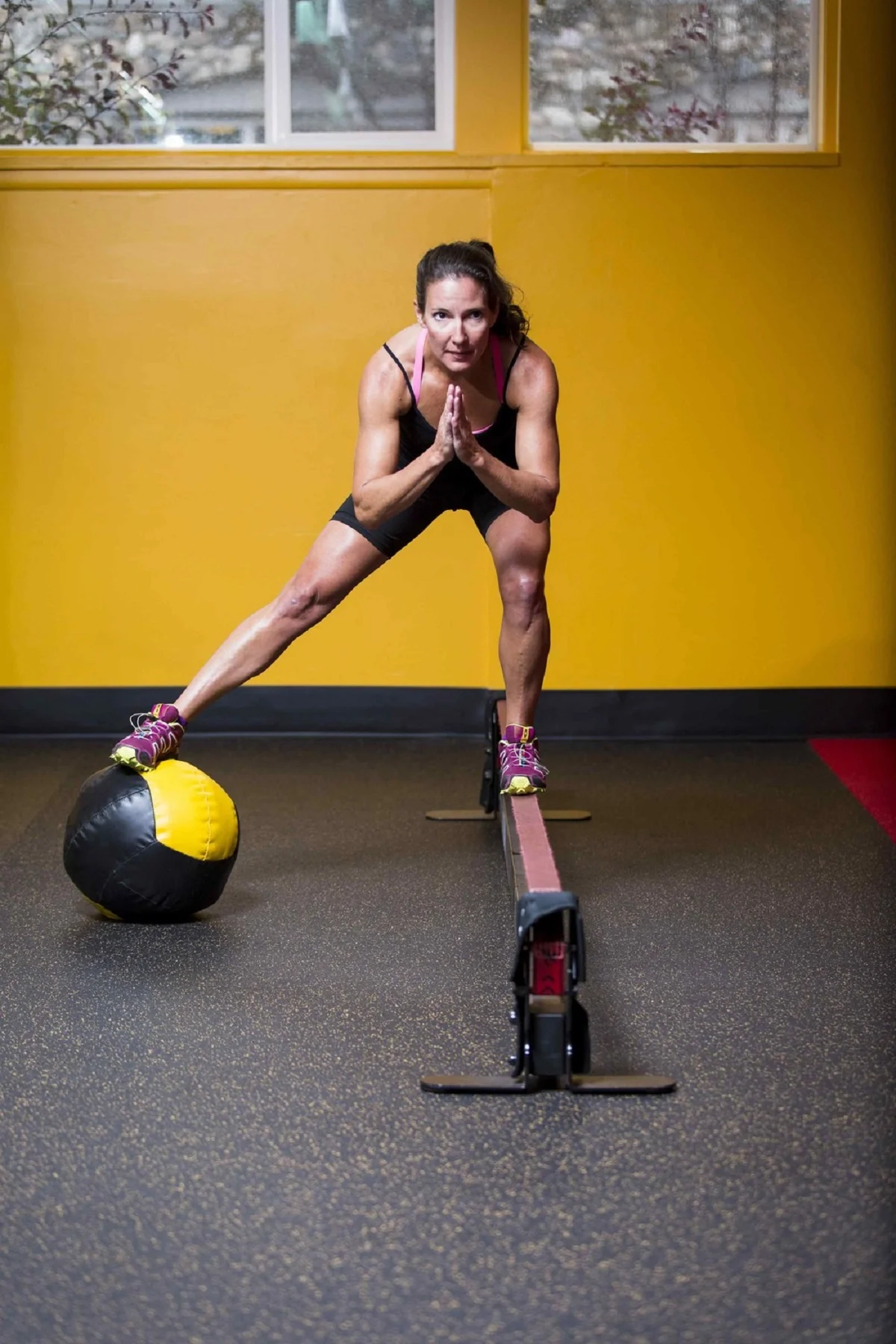
Balance is the brain’s ability to keep the body steady while standing, while coordination is its ability to move two or more body parts in a controlled, smooth, and efficient way. Both are needed for many everyday activities.
Adding balance exercises to your workout program is important because they:
- increase energy
- improve running technique
- are an effective way to firm and tone the muscles in the thighs, hips, and lower back
- improve coordination, increase the ability to react to sudden threats, and enhance reflexes
- can be added to your warm-up before a lower-body strength workout, a long run, or sports such as tennis, basketball, or football
- can be used as low-intensity exercises between sets of high-intensity exercises
There are two types of balance, depending on the body’s state: static and dynamic.
Static balance is about maintaining balance while the body is still, such as standing on one leg. At first glance, this may seem very simple, but it actually involves a complex process of data processing by the vestibular system. The nervous system influences muscle activity to keep the body in a specific position.
Dynamic balance is the ability to maintain balance while moving. Numerous motor reflexes acquired in early childhood play a key role here.
Read more: What are the benefits of rowing, and why shouldn’t we skip it?
Coordination, in turn, is a complex skill that requires not only good balance, but also strength and agility.
What are balance and coordination exercises?
Balance and coordination exercises are extremely beneficial and effective for toning muscles. They can be done using your body weight (examples include sit-ups and pull-ups, among others) or with weights.
It is recommended to do one or two balance and coordination workouts a week. This applies to both beginner fitness enthusiasts and advanced athletes. These exercises can also be used for rehabilitation after injuries.
Top 5 Exercises for Balance and Coordination
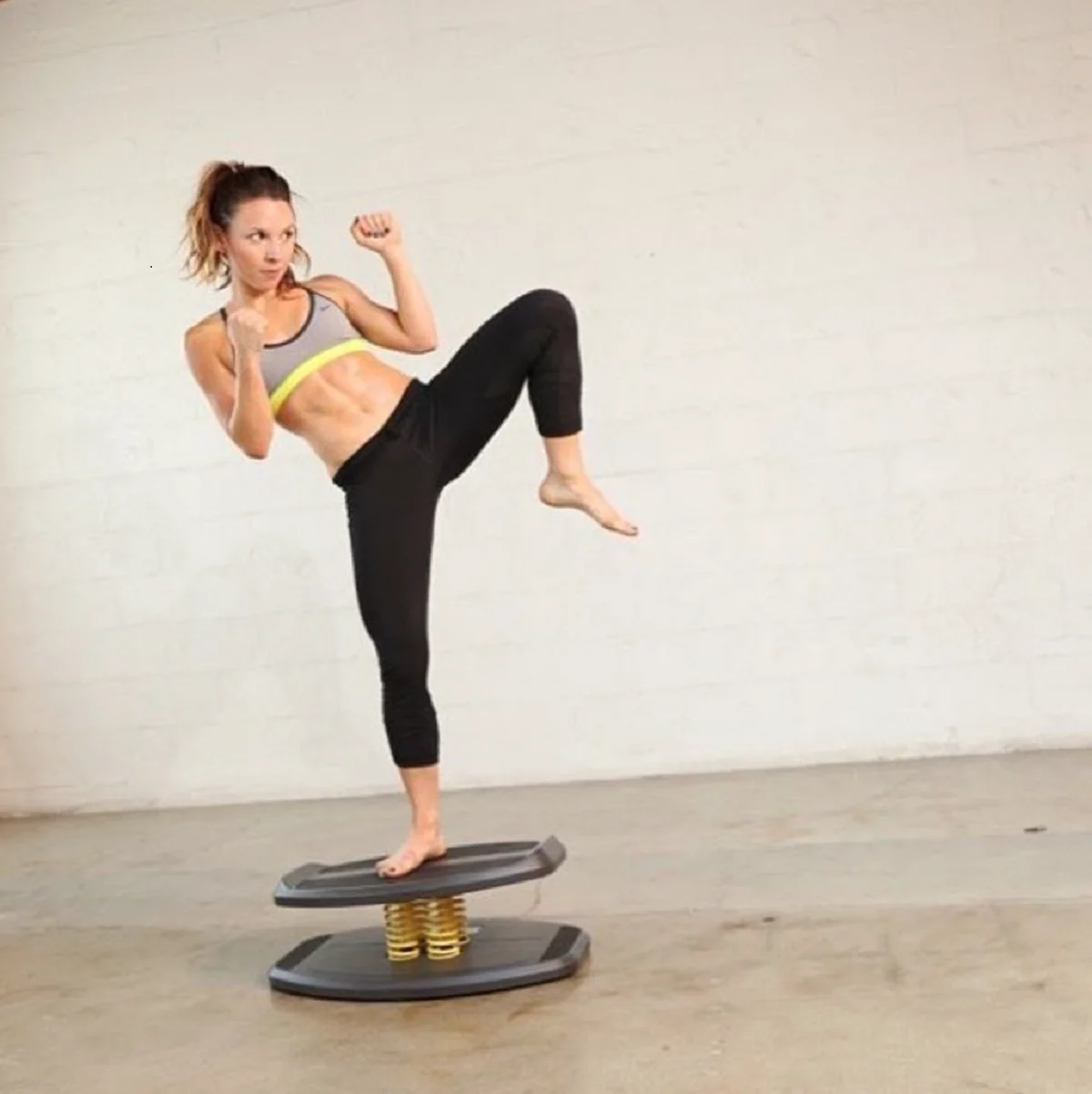
As mentioned, static balance is about maintaining equilibrium while standing still. Suitable exercises include balancing on one leg (Tree Pose) and the Arabesque (leaning forward on one leg in a scale pose). Aim to hold the balance for at least 20 seconds, then move on to dynamic balance exercises.
Here are the best dynamic balance exercises:
Single-Leg Squat (Pistol Squat)
This is a high-intensity compound exercise and one of the most challenging balance exercises. It primarily works the quadriceps, but also engages the glutes, hamstrings and calves. In addition to improving balance, the single-leg squat helps develop functional fitness, flexibility and strength. Start standing with your shoulders and feet aligned, your back straight and your core engaged. One leg supports your weight, while the other is slightly bent at the knee and held forward at a slight angle. Slowly lower your body. Extend your arms forward to help maintain your balance. Continue lowering until the back of your thigh touches your calf. Finish by returning to the starting position, then switch legs. Do 10 squats per leg.
Read more: How to Recover Your Muscles After a Workout
Single-Leg Squat Jump
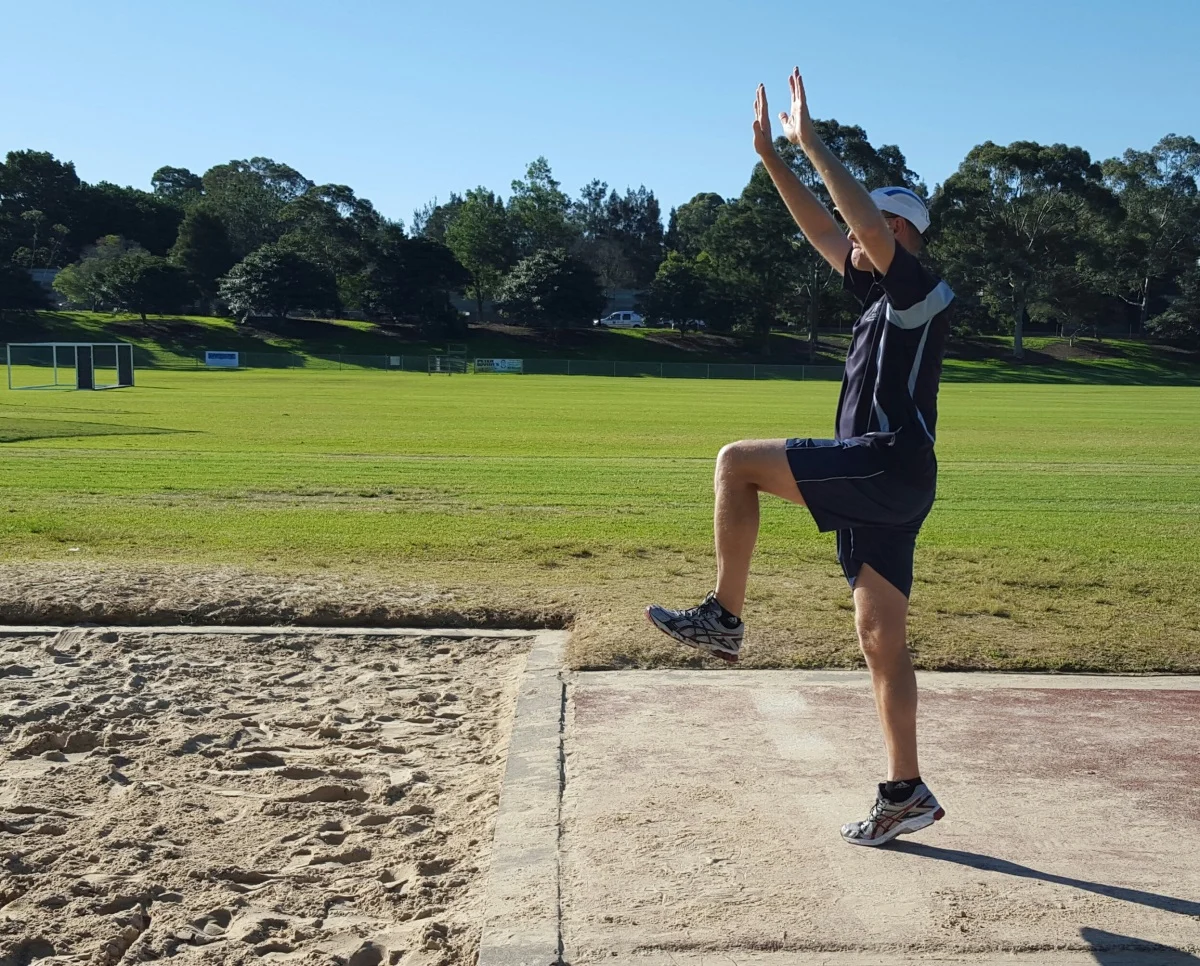
This is also a compound, highly dynamic exercise that further develops muscular endurance and agility. It mainly works the thighs, glutes and calves. It is also a good weight-loss exercise because it includes a cardio element (the jump). To perform it correctly, stand on one leg and squat down while bending the other leg and drawing it back. Extend your arms forward; together with the raised leg, they propel your body into a jump. As you jump, lower your arms and bring the back leg forward, keeping the knee bent. After landing, return to the initial squat position. Do 10 repetitions on each leg.
Read more: Kangoo Jumps in Focus: Lots of Fun, Even More Cardio
Lunges with a High Front Kick
Another highly effective balance exercise. It also works the thigh and hip muscles, making it great for building strong, healthy legs, firming the glutes and correcting muscular imbalances. To do it, step one leg back and lower into a lunge until that knee touches the ground. Then stand up, extending the back leg forward in a kicking motion. Do 10–12 repetitions.
Read more: Leg Day: What You Need to Know About Leg Workouts
Curtsy Lunge
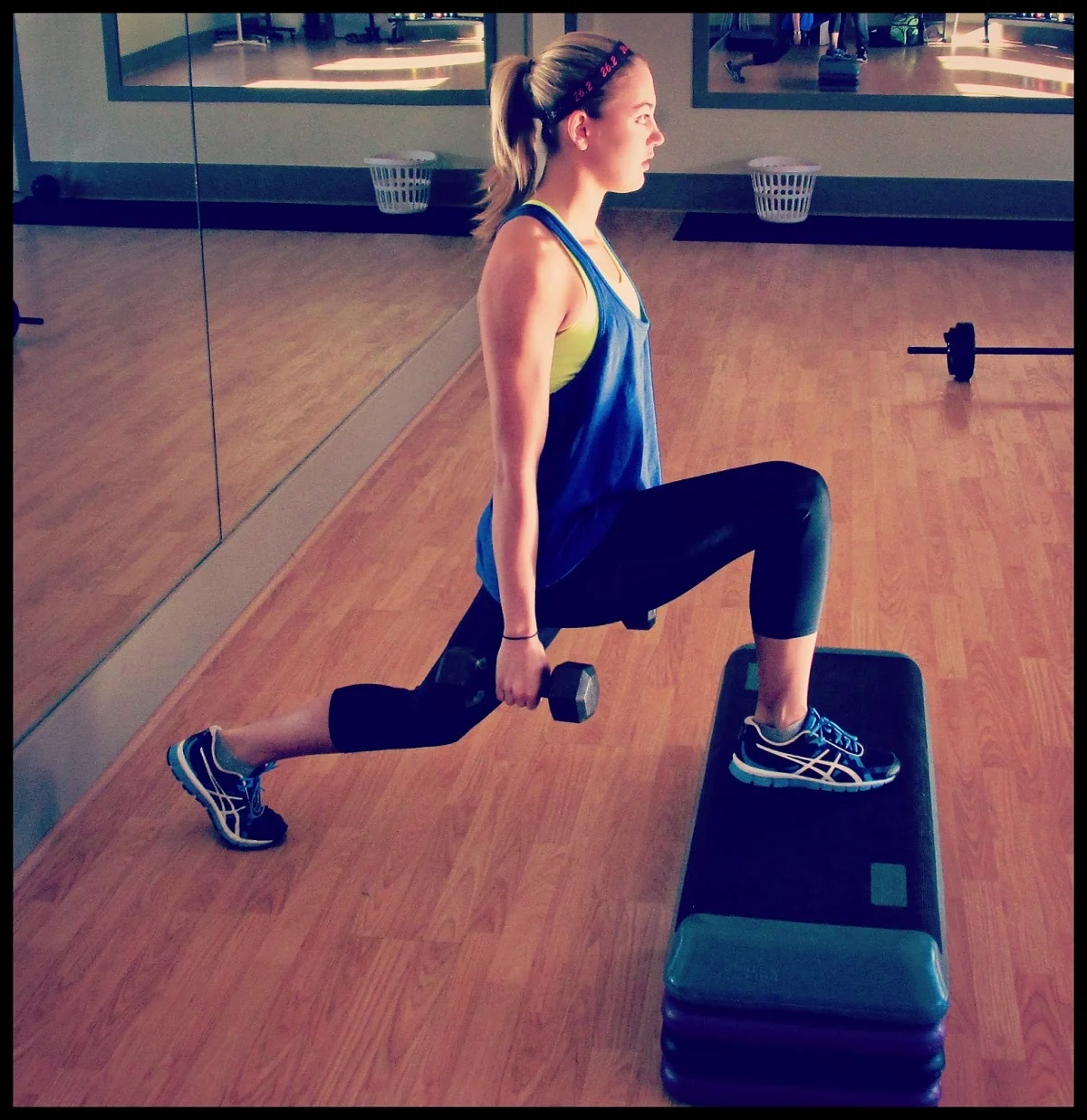
This exercise tones the shoulders, triceps, glutes and legs. It is one of the most commonly used and effective exercises for shaping round, firm glutes and shapely legs, and reducing cellulite in women. Stand upright with your feet shoulder-width apart and your arms extended down by your sides. You can hold weights to increase the challenge. Squat down on your right leg while stepping your left leg diagonally behind it, placing it on the inside of your right leg with the knee touching the ground. Your right leg should bend at a right angle. Return to the starting position, then repeat with the other leg. Do 10–12 lunges per leg.
Read more: 5 Types of Squats for an Amazing Butt
Single-Leg Deadlift
This compound exercise improves balance between the left and right legs. It is also highly effective for strengthening the posterior chain and core muscles. When performed correctly, it teaches you proper bending and standing technique for everyday life and helps improve posture. Use a barbell, dumbbell or kettlebell. Hold your chosen weight in both hands in front of your body, as close as possible to the supporting leg. Stand on the supporting leg and move the other leg slightly back. Begin by pushing your hips back, hinging your torso forward and extending the back leg behind you. Keep both knees slightly bent. When your hands reach the ground, engage your hip muscles and straighten your body to return to the starting position. Do 10 repetitions on each leg.
Read more: TOP 5 Ab Exercises