

Rowing has always been an important part of the training program for anyone serious about getting in shape. Industry experts say it will be the “new” fitness craze of 2019.
In this article, we’ll introduce you to the most important things you need to know about rowing, its benefits, and its place in your workout routine.
What are the benefits of rowing?
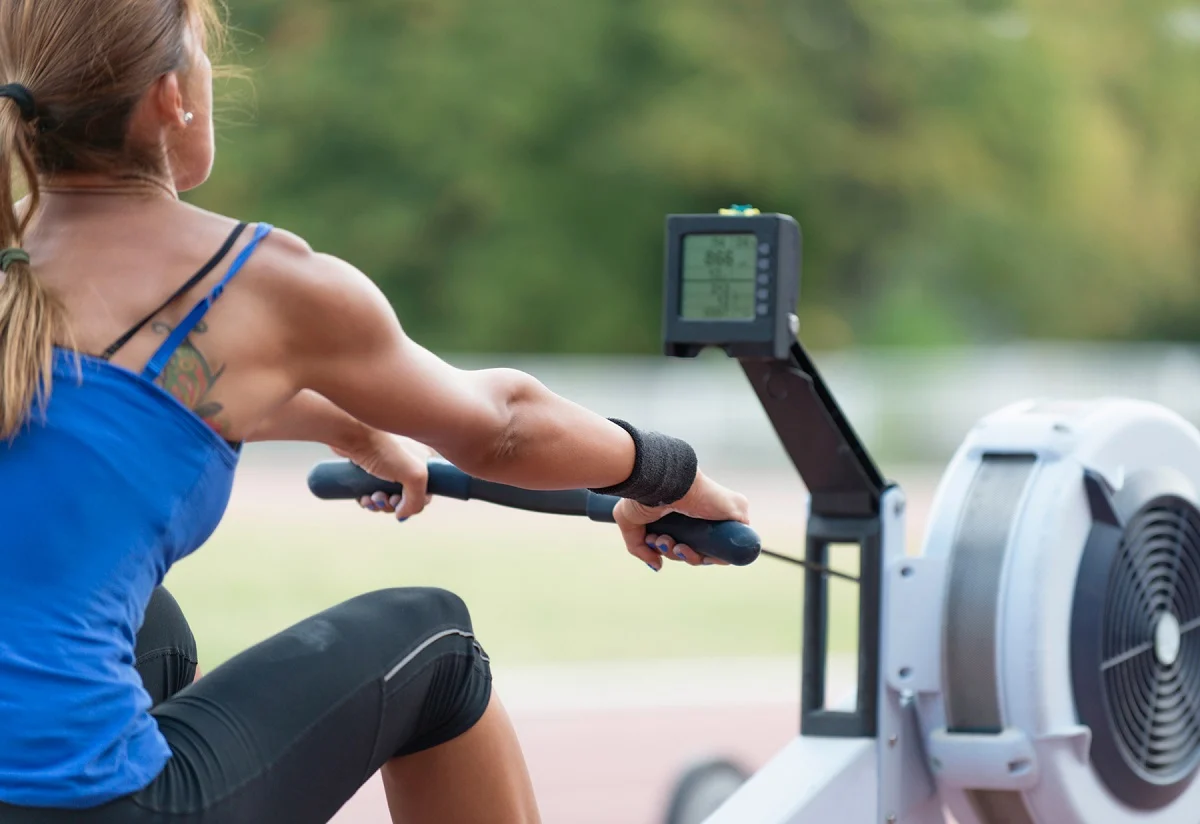
If you’ve decided to really take care of your figure and health in the new year, or are wondering how to mix up your workouts, don’t underestimate the benefits of rowing at your favorite fitness club.
Read more: The best free fitness and workout apps
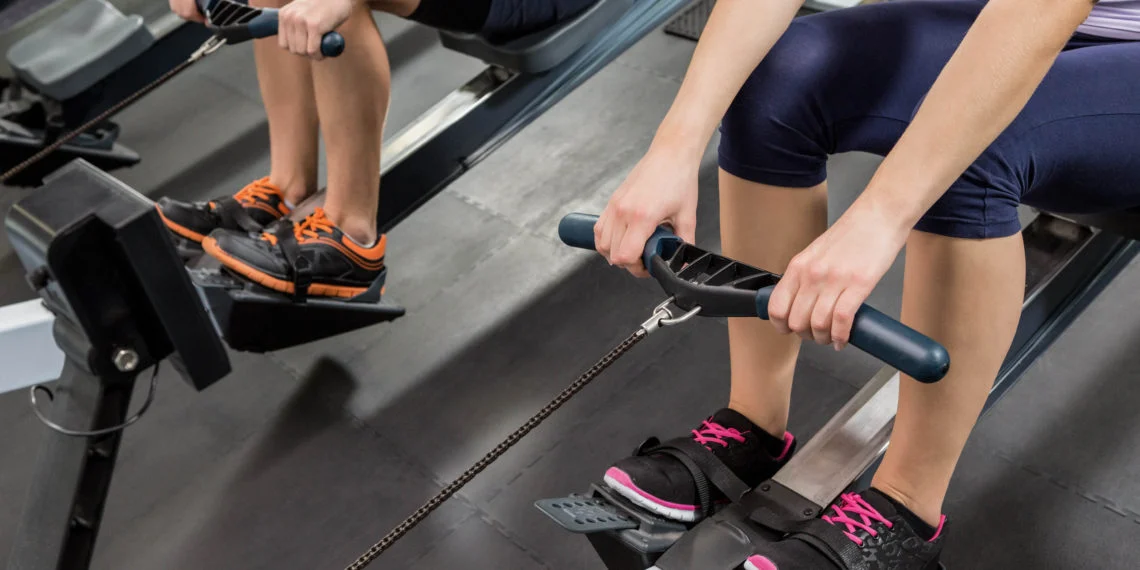
Rowing is a full-body exercise, usually performed on a machine. You pull a handle while seated on a seat that moves back and forth along a rail. Rowing helps build and tone muscles, improves cardiovascular function, and boosts endurance. It is effective and suitable for people of all ages because it puts little strain on the joints.
What are the benefits of rowing?
Weight loss
Rowing burns calories extremely quickly, making it a great addition to any workout routine where weight loss is a top priority. An energetic 30-minute rowing machine workout can burn 255 calories for someone weighing 57 kg, 316 calories for someone weighing 70 kg, and 377 calories for someone weighing 84 kg. This shows that regular rowing helps maintain the calorie deficit essential for weight loss.
Read more: HIIT or interval cardio: what is it, how do you do it, and what are the benefits?
Improved cardiovascular health
In addition to burning calories, rowing is an endurance exercise that increases heart rate and oxygen consumption. Although rowing can be performed manually with weights, making it comparable to strength training, it is primarily classified as a cardio exercise. This means that regular rowing over time improves cardiovascular function and reduces the risk of heart disease and stroke. Rowing machines allow you to adjust the resistance, making the workout accessible to all fitness levels. If you’re just starting out, it’s recommended that you begin with lower resistance and gradually increase it.
Muscle toning
Rowing is a full-body workout that engages every major muscle group. At the start of each stroke, your back muscles, quadriceps, calves and hamstrings are activated.
Read more: TOP 5 Back Exercises
The abs, triceps, chest and shoulder muscles, and the wrist flexors and extensors are gradually engaged as well. At the finish of the stroke, the biceps and external obliques work hard. (The external obliques are a group of three flat muscles located diagonally along the sides of the front of the abdomen.) They help move the torso sideways, forward and backward, and make circular movements at the waist.
Read more: TOP 5 Triceps Exercises
Read more: TOP 5 Biceps Exercises
Strengthening all the muscles in your body improves everyday movement, reduces back pain, strengthens bones, helps you manage your weight and boosts your energy.
Which muscles are activated when rowing?
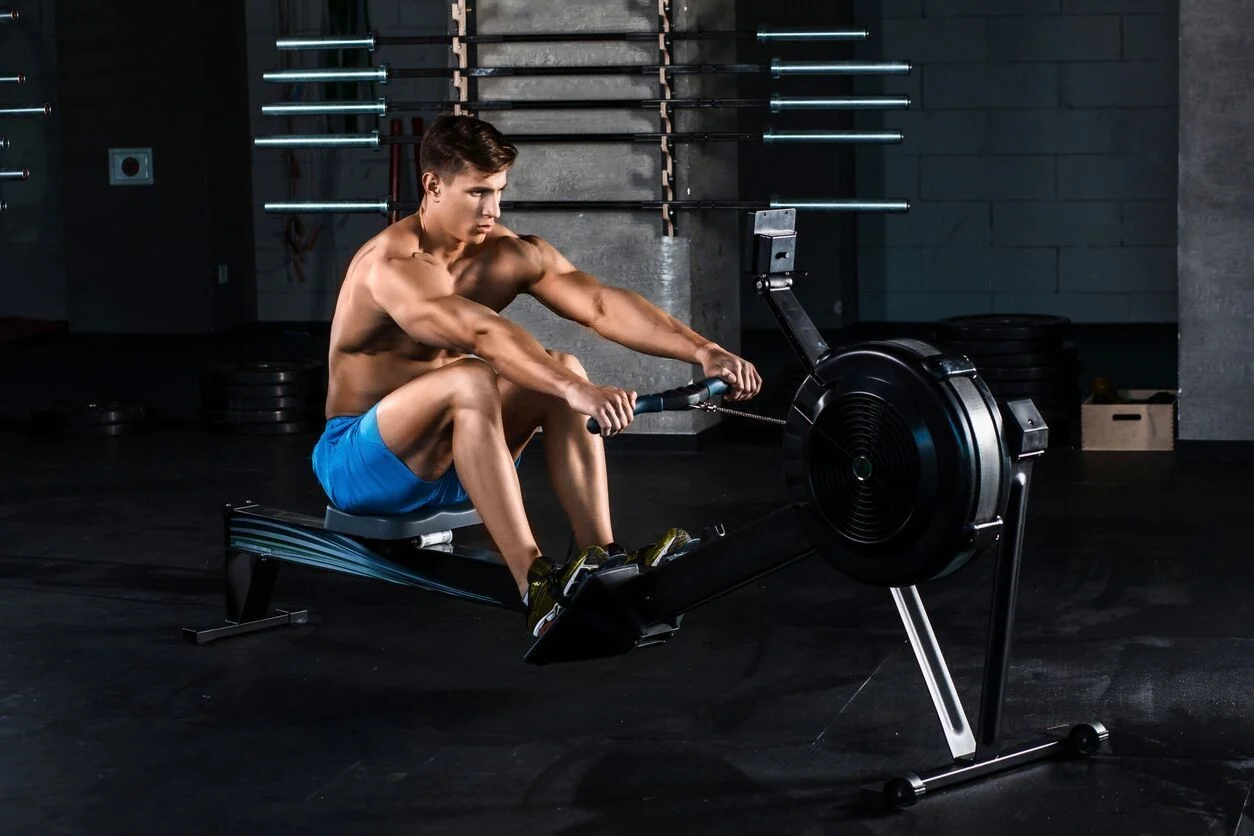
The starting position for rowing is called the “catch.” This is where the characteristic drive begins, powered by the levator scapulae, hamstrings and calves.
The second position is called the “drive.” It engages the quadriceps, trapezius, calves, erector spinae, latissimus dorsi, chest muscles, deltoids, rhomboids, triceps, wrist flexors and extensors, and gluteal muscles.
In the third position, the “finish,” the biceps and deltoids are also activated. Practically no muscle group is left out during rowing, so you can include it in any workout for your back, shoulders, abs, glutes or legs. Naturally, the frequency and duration depend on your desired results.
Read more: TOP 5 Shoulder Exercises
Read more: TOP 5 Ab Exercises
What diet should you pair with your workouts?

It’s clear to anyone who works out that effective results come from combining exercise with a good diet—and vice versa. To make progress, you need to consume fewer calories through food than you burn through exercise.
Different workouts require different amounts of strength and energy, and therefore burn different amounts of calories.
Read more: Vitamins: What are their benefits and how can you get them?
If your workouts include rowing, it’s important to eat foods high in carbohydrates. They provide your body with the energy it needs and also help build muscle mass.
These foods include:
- rice and rice products
- grains such as buckwheat, wheat, barley and rye
- fruits rich in natural sugars
- corn and corn products
- potatoes
- peas
- oats
We recommend pairing carbohydrates with protein-rich foods such as fish, nuts, lean meat, dairy products and more. Finally, we advise separating your protein and carbohydrate intake to fuel your body with only the nutrients it needs.
Read more: What diet should we follow if we suffer from food intolerances?