

Everyone has experienced a sudden muscle cramp. The pain is often very intense and can force us to stop all physical activity. But do you know what causes muscle cramps and whether they’re linked only to intense training?
Muscle cramps are sudden, involuntary contractions of muscles in the lower body, most commonly in the legs or feet. The muscles most prone to cramping are those that cross two joints. These include the ankles, knees, calves, hips and quadriceps.
Read more: Leg Day: What You Need to Know About Leg Workouts
Symptoms
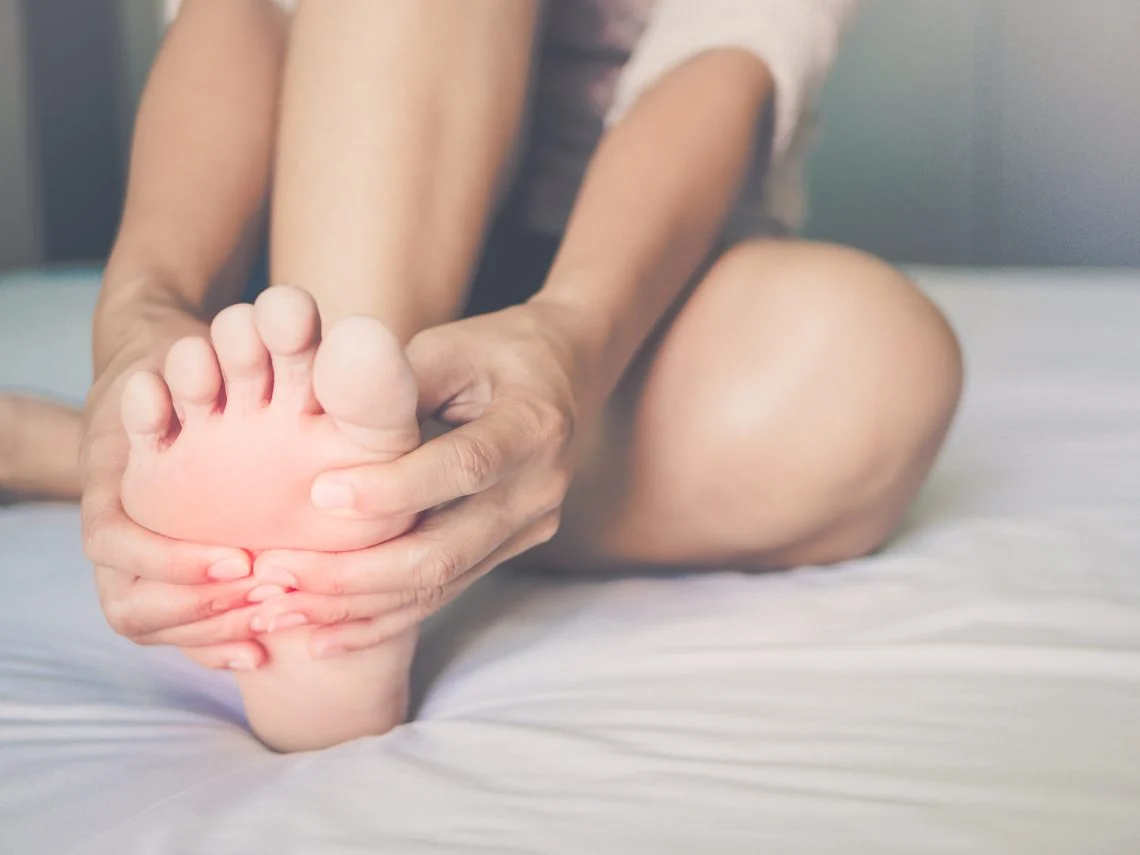
Leg cramps usually last less than a minute, but in some cases they can last longer—up to 15 minutes or more. The pain feels like an intense muscle contraction.
Here are the most common symptoms:
- Sudden, sharp pain—most often in the back of the leg (calf)
- Muscle contraction or twisting
- A sensation that the muscle is twitching
- Inability to physically control the cramped area—for example, your toes may point in different directions or curl toward your foot, and you may be unable to straighten them
- A crawling pain radiating from the cramp along the affected muscle
- Dark urine is a sign of severe muscle damage.
Read more: Body Data: What Is a 3DFIT Scanner?
For some people, cramps occur mainly at night and can disrupt even a deep sleep. We all know how painful this can be for our bodies.
Muscle cramps usually go away quickly and don’t require medical attention, but we recommend consulting a specialist if they are accompanied by swelling, changes in skin color, or a feeling of muscle weakness.
Causes of Cramps
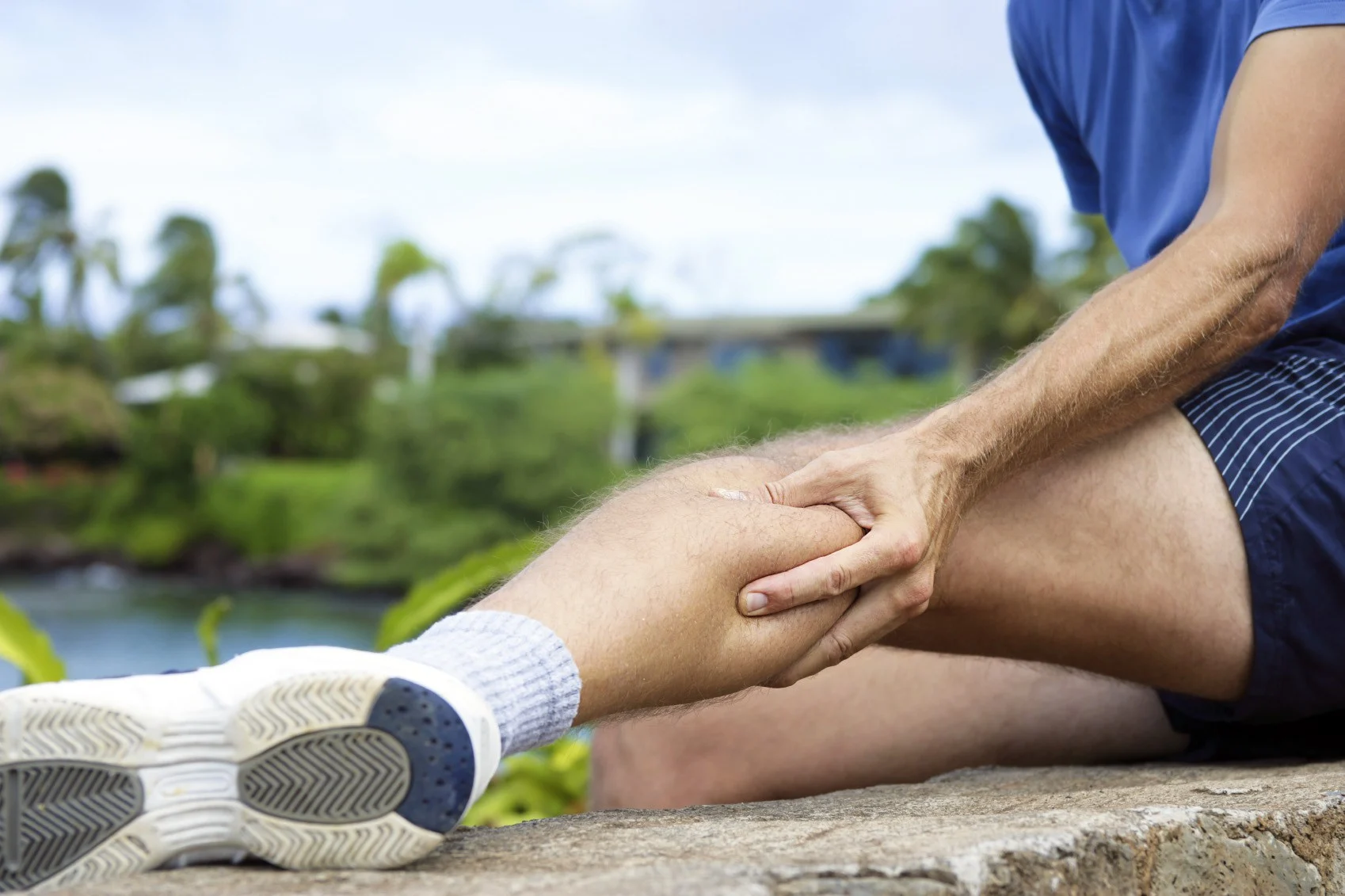
One of the most common misconceptions is that only active athletes get cramps. This isn’t true: even if you don’t play sports often or work out at the gym every day, you can still get cramps. Leg cramps are more common among young people (teenagers) and older adults (over 65).
Read more: An Active Life After 40: Mission Possible
Some of the most common causes of muscle cramps are:
- Muscle fatigue caused by prolonged physical exertion
- Doing strenuous exercises your body isn’t yet ready for (including exercises performed incorrectly)
- Dehydration
- Magnesium deficiency
- Excess weight
- Electrolyte imbalance
- Early pregnancy
- Taking certain medications or corticosteroids
- Genetic predisposition
Read more: Weight Training for Women: Myths and Reality
How Can You Relieve Cramps?
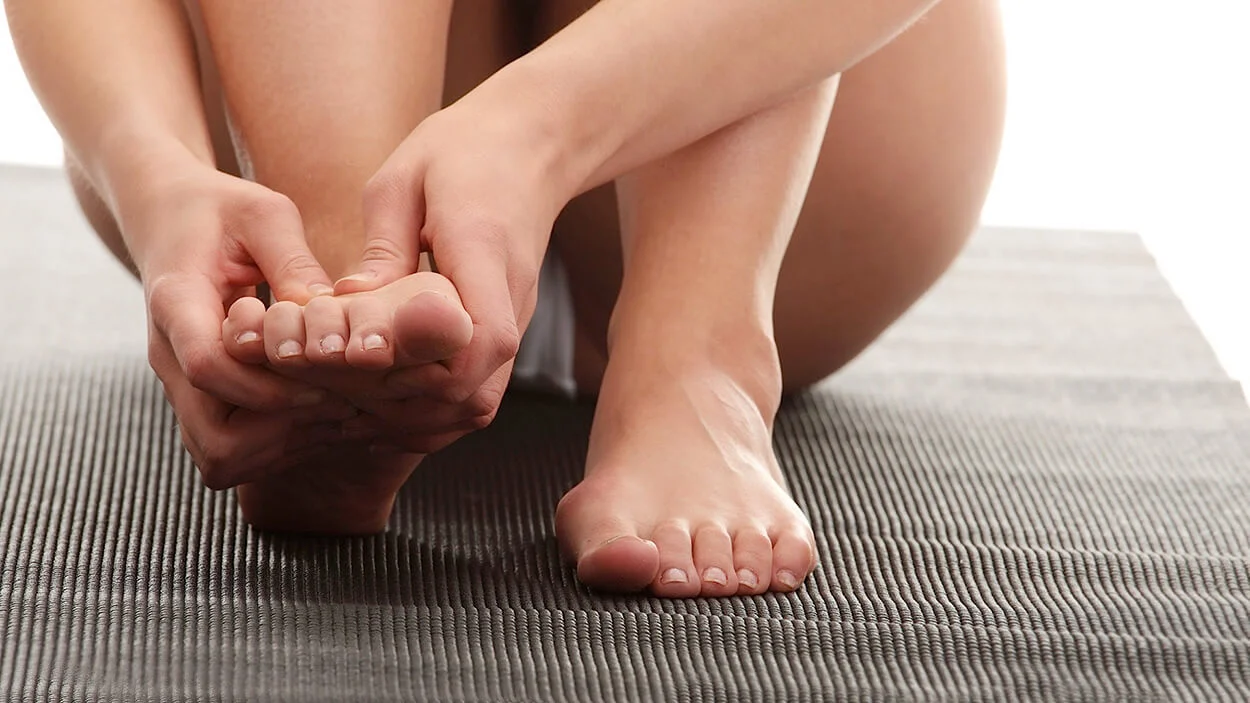
Our human instinct for self-preservation means we can quickly and easily relieve cramps ourselves. The first thing most people do is grab the cramped area and massage it to relax the muscle and help it function properly again. If you get cramps at home or during a workout, try these remedies to ease the pain:
- Massage the cramped muscle – Use slow, firm strokes along the affected muscle to increase blood flow and ease the pain.
- Stretch the muscle – You can do a simple stretch or try rising onto your toes.
- Apply cold locally – Put plenty of ice in a towel and place it on the affected muscle to ease the pain.
- Apply heat locally – Direct a stream of hot water or warm air at the cramped muscle.
- Keep moving – start walking while trying to stretch your feet and legs at the same time; this signals to the muscle that your body needs it. This method dramatically shortens the duration of cramps.
Read more: How to Recover Your Muscles After a Workout
- Medication – there are also medications that work as painkillers. They combine methocarbamol, a muscle relaxant, with ibuprofen, a nonsteroidal anti-inflammatory drug. It’s best not to take these medications for more than 5 days, and you should consult a healthcare professional.
Preventing Cramps
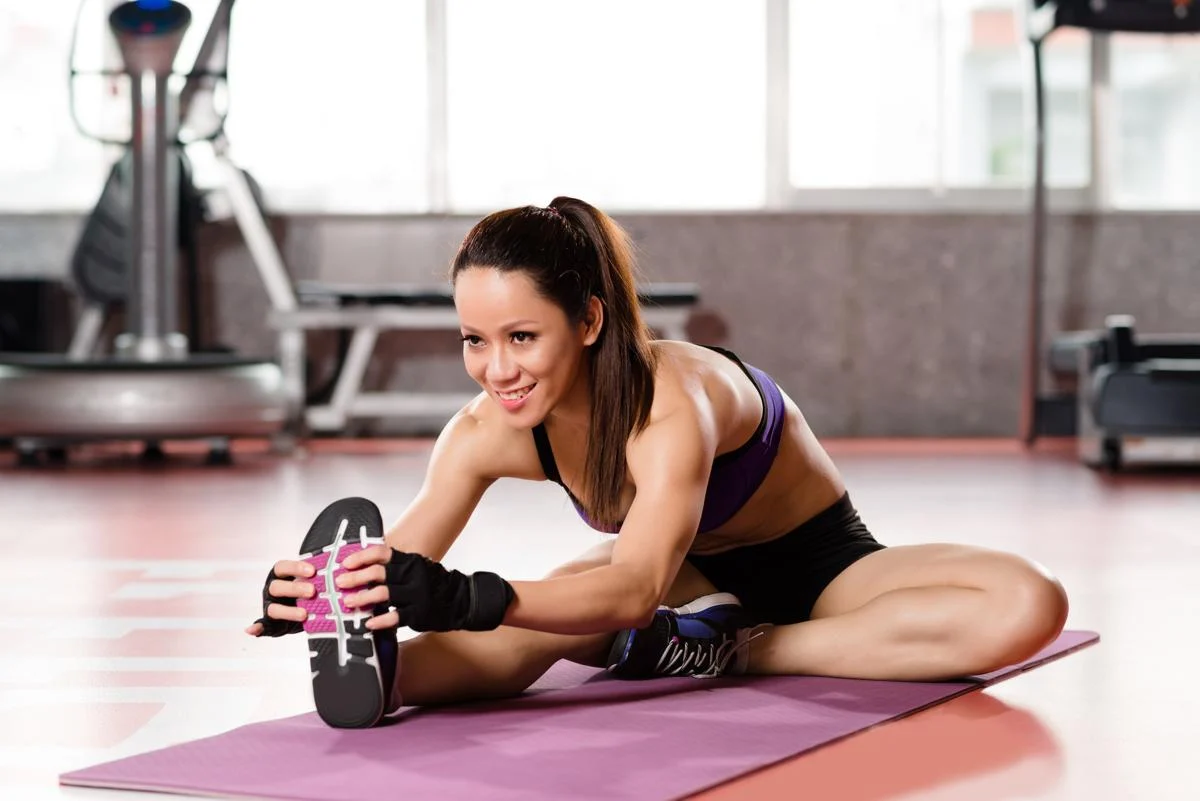
Although we can’t always control our bodies or fully influence their physical condition, we can take preventive measures to reduce the occurrence of cramps. A few simple steps can help ensure a more restful night’s sleep and a more fulfilling workout free from muscle cramps.
Read more: Morning or Evening: When Is the Best Time to Work Out?
Here are the main ways to protect your body from painful cramps:
- Hydration – it may sound strange, but any doctor will tell you that staying well hydrated can help prevent muscle cramps. If you feel thirsty, you’re already dehydrated. Water is your body’s best friend and helps it stay healthy and in shape.
- Stretching Before and After a Workout – stretching before you start and after you finish your workout is essential. It gets your muscles supplied with blood for the exercises ahead, helping you avoid injuries and cramps.
- Getting Essential Micronutrients – one of the most important things you can do to prevent cramps is to get enough calcium, potassium, and magnesium. These nutrients are found in vegetables and some fruits. Some of the best foods for fighting cramps are broccoli, figs, oranges, okra, and leafy greens.