

Athletes and fitness enthusiasts often believe that training nonstop will lead to better results. However, this is a misconception. Overdoing even things that may seem beneficial at first can have negative consequences. As we like to say around here: “too much of a good thing isn’t good.”
Overtraining occurs when physical exertion causes stress and fatigue, and the body cannot recover and adapt.
Read more: What should we know about muscle cramps?
A balanced approach to training and allowing time for recovery are among the main ways to prevent overtraining. This doesn’t mean limiting workouts to one or two a week, but following a few basic guidelines related to nutrition and rest.
Here they are.
How to prevent overtraining?

Everyone has an individual limit in terms of strength and ability before reaching the point of overtraining. This depends on many factors, such as age, sex, health, fitness level, diet, quantity and quality of sleep, the volume and frequency of physical exertion, use of medication, alcohol and tobacco, medical conditions, mood, and more.
Read more: What is work-life balance, why is it important, and how can we achieve it?
The main guidelines experts recommend following to feel good and avoid overtraining are:
Gradual Progress
Patience and hard work are key to every kind of success. To achieve good results at the gym, you need to build up gradually by increasing the intensity and number of workouts. Many beginners start by working out hard at least 4–5 days a week so they don’t lose motivation. In most cases, this leads to many symptoms of overtraining, causing them to give up by the second or third week.
Stretching

Set aside 5 to 15 minutes for stretching before and after every workout. Warming up before exercise prepares the musculoskeletal system and reduces the risk of injury, while stretching afterward relaxes the muscles and improves joint mobility. Choose exercises that engage and work the whole body, or at least the muscle groups used during your workout. Start with the upper body and gradually move down to the lower limbs, holding each pose for at least 10 seconds.
Read more: Functional Training: Just a Warm-Up or a Way to Work Out?
The exercises include warming up and mobilizing the:
- neck
- shoulders
- arms, elbows, and wrists
- spine (thoracic and lumbar regions)
- gluteal muscles
- hamstrings
- quadriceps
- calves
Rest
To shape and develop muscles, the body needs rest. That’s why training every day isn’t the best option, as it could lead to injuries and overtraining. It’s advisable to take one full week off for recovery during every 12-week training cycle.
Interval training
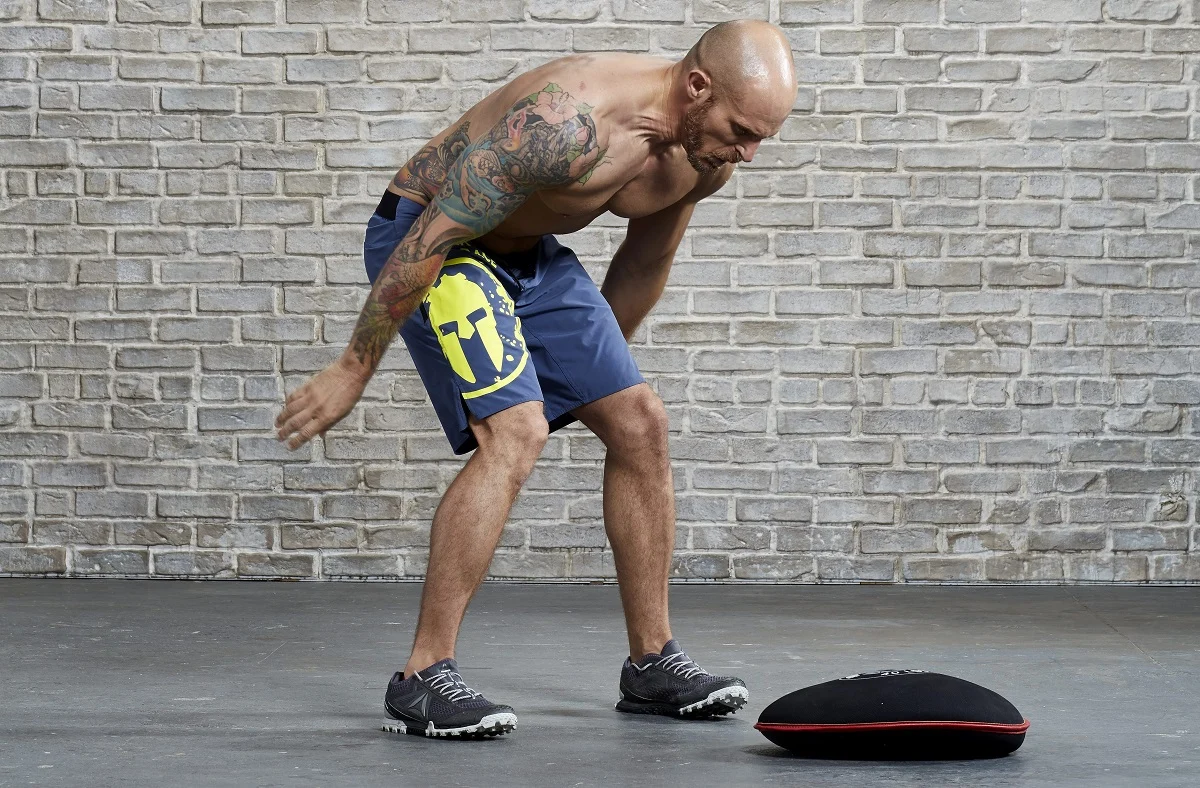
The number of workouts per week also matters, but this depends on many factors, such as experience level and type of training. Beginner fitness enthusiasts should start with a maximum of 3 aerobic workouts per week, or 5 low- to moderate-intensity cardio workouts. This gives the body a chance to recover on the remaining days. More advanced trainees should follow a training plan that includes two rest days.
Read more: HIIT or interval cardio: what is it, how do you do it, and what are the benefits?
Most workout routines train each muscle group once or twice a week. For the most advanced trainees, there’s a rule of alternating demanding workouts with easier ones, creating a kind of training interval. After every very demanding workout, do a lower-intensity one so the body can recover from the stress.
Here’s an example of such a training program:
- Monday – demanding workout
- Tuesday – light workout
- Wednesday – light workout
- Thursday – demanding workout
- Friday – light workout
- Saturday – demanding workout
- Sunday – rest
Read more: Personalized training program – everything you need to know
Nutrition
A balanced diet is one of the key factors in preventing overtraining. This includes consuming enough calories and water to keep the body hydrated.
The main nutrients needed by anyone who trains are carbohydrates (for sufficient energy), protein (for muscle recovery), and fats (to maintain hormonal balance and absorb vitamins). They need to be consumed in appropriate amounts and proportions. Their share of total daily calorie intake should fall within these ranges:
- Carbohydrates: 50–70% (at least 65% for active athletes)
- Protein: 15% for beginners to 30% for active athletes
- Fats: 10% for beginners to 30% for active athletes
Read more: What are the benefits and uses of whey protein?
Water also plays a vital role, as it makes up most of the human body. When dehydrated, tissues become much more prone to stretching and less flexible. Avoid drinks that contain artificial sweeteners or chemicals. Not only do they contain harmful substances, they also fail to hydrate the body. Consuming them may even slow down the body's proper functioning, as it has to use energy and resources to process the excess sugars and calories in these drinks.
Dietary Supplements
Supplements alone cannot protect us from overtraining or provide all the nutrients the body needs. However, they help speed up muscle recovery and growth by supplying protein (a key building block of the body's cellular structure); amino acids (for muscle tissue repair); and antioxidants, vitamins, and minerals (for better recovery and increased energy).
How can we stay balanced and effective at the gym?

In their pursuit of specific goals, many people get carried away with training or don't know when to stop, which can lead to serious problems, particularly injuries. To achieve your desired goals and results, you need to find a balance between training, diet, and rest. Excessive training often leads to overtraining, so it's better to focus on quality rather than quantity.
Overtraining symptoms need to be recognized early to prevent further complications. Key warning signs include:
- chronic fatigue
- lack of energy
- prolonged muscle soreness
- increased irritability
- sluggishness
- insomnia
- depression
- weakened immune system
- headaches and migraines
- joint pain
- more frequent injuries
If your workouts become too painful and make you lose interest and energy, it's time to take a break. This could mean taking a few days off or doing lighter exercises such as yoga or stretching.
The secret is recognizing the signals your mind and body are sending. After taking the time you need to recover, you'll be able to resume training with plenty of motivation and energy.