

Functional exercises have always played a key role in every training program. Some people use them as a warm-up before their main workout, while others spend their entire time at the club doing these exercises.
In this article, we’ll introduce you to the basic techniques for a complete functional workout and their benefits.
What is functional training?
By definition, functional training means “training with a purpose.” It involves selected exercises that simulate the physical demands and movements we make in everyday life. This means training the muscles involved in the most commonly used, natural human movements.
Read more: How often should we train, and how?
For a workout to be functional, exercises need to be three-dimensional, meaning they must be performed in the three main planes: sagittal (forward and backward), frontal (side to side), and transverse (rotational). This allows the body to perform its natural movements through space.
What are the benefits of functional training?
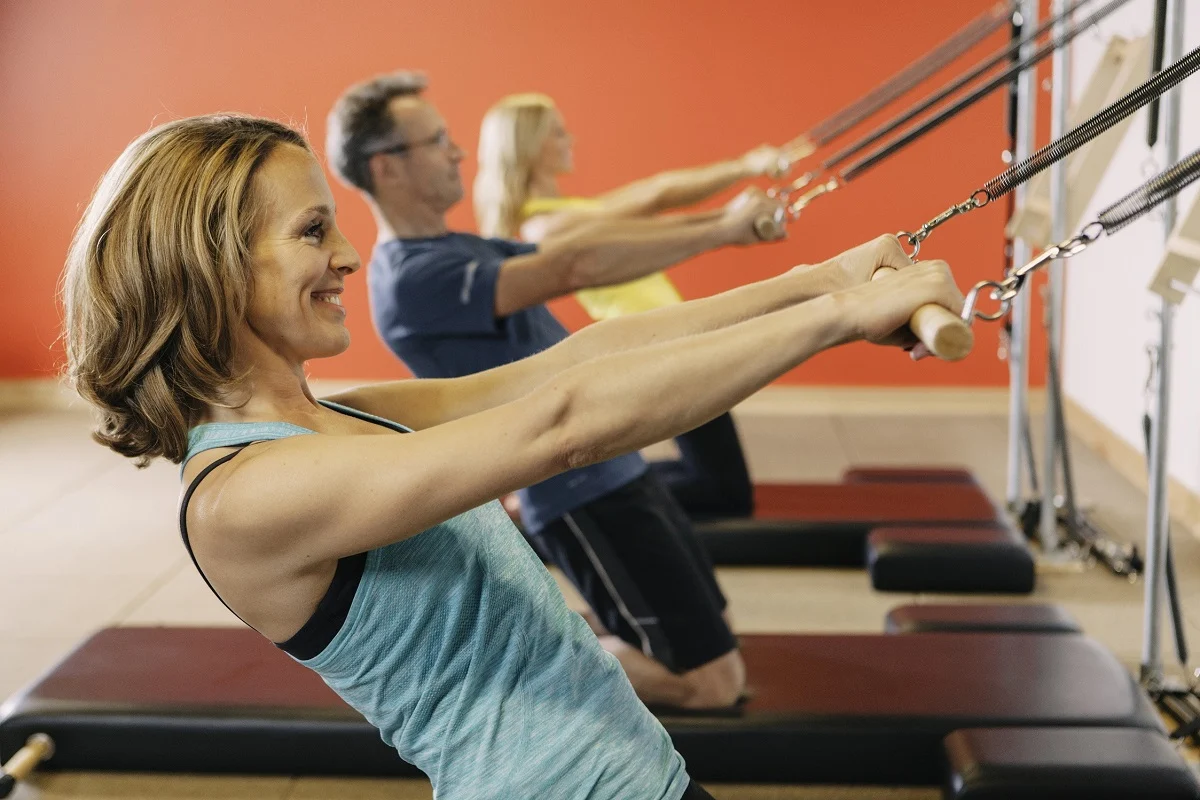
The main focus of functional training is to achieve optimal balance and body position in space. It engages many muscle groups, building strength, flexibility, coordination, and endurance. It benefits the nervous system, stimulates metabolism, supports heart and circulatory health, and minimizes physical dysfunction.
Read more: What should we know about muscle cramps?
These exercises significantly reduce the risk of injuries in sports and everyday life by training all the major muscle groups, including the back and lower-back muscles. Everyday activities such as bending and straightening, lifting objects, and climbing stairs become much easier, while the risk of injury during more strenuous physical tasks—such as moving furniture—is minimized.
Functional training is also used to treat spinal curvature, pain in the knees, lower back, joints, and neck, as well as vision and breathing problems and other dysfunctions in both adults and children.
Types of functional exercises
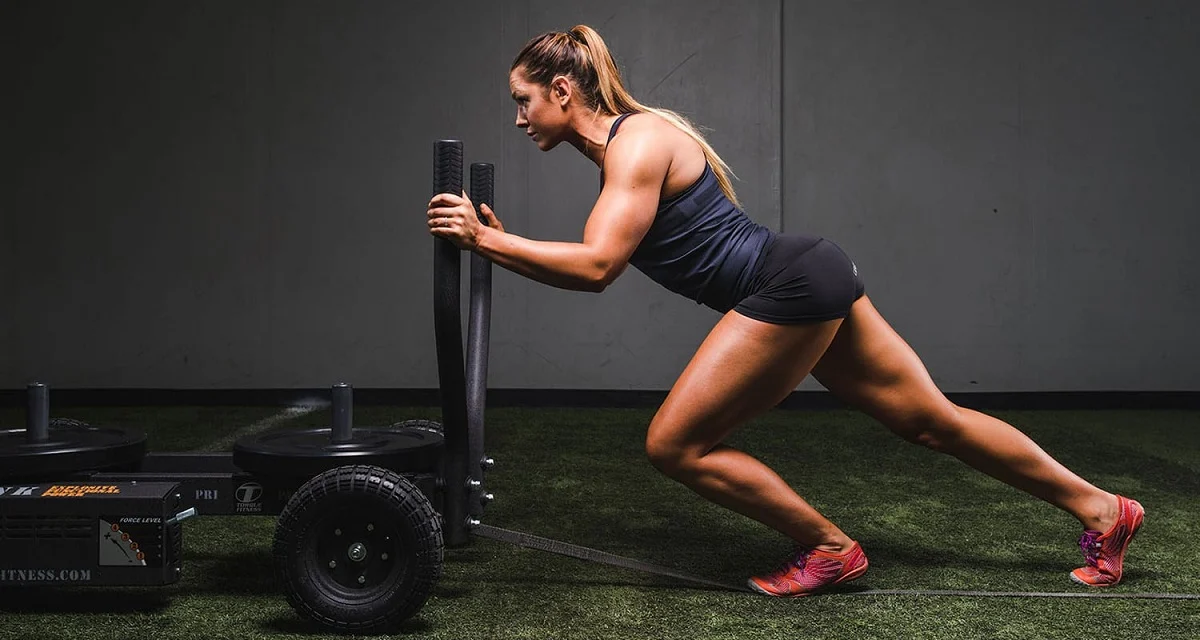
These exercises are multi-joint and train the whole body at once. They are used in fitness and sports, as well as for rehabilitation. There are many different types of functional exercises, including squats, lifting and carrying weights, jumping, rope and resistance-band exercises, throwing balls, and more.
They can be divided according to the purpose of the activity. For athletes, they improve physical fitness and sport-specific abilities by developing strength, endurance and techniques specific to their sport.
Read more: Circuit Training – What Is It and What Is It Good For?
For example, boxers do exercises to improve their strength and punching accuracy, while football players focus on speed and endurance. Functional exercises are also often used for rehabilitation—for older adults and after a stroke, surgery or an accident. They improve coordination, balance, mobility and strength, with the aim of helping people return to their normal daily activities more quickly and reducing the risk of further accidents.
Techniques for Performing Functional Training Correctly
Squats – when performed correctly, they work the major muscle groups and improve posture and balance. Weight should be distributed evenly across both feet, and the movement down and up should be slow and controlled.
Read more: Why Is Good Posture Important, and How Can We Maintain It?
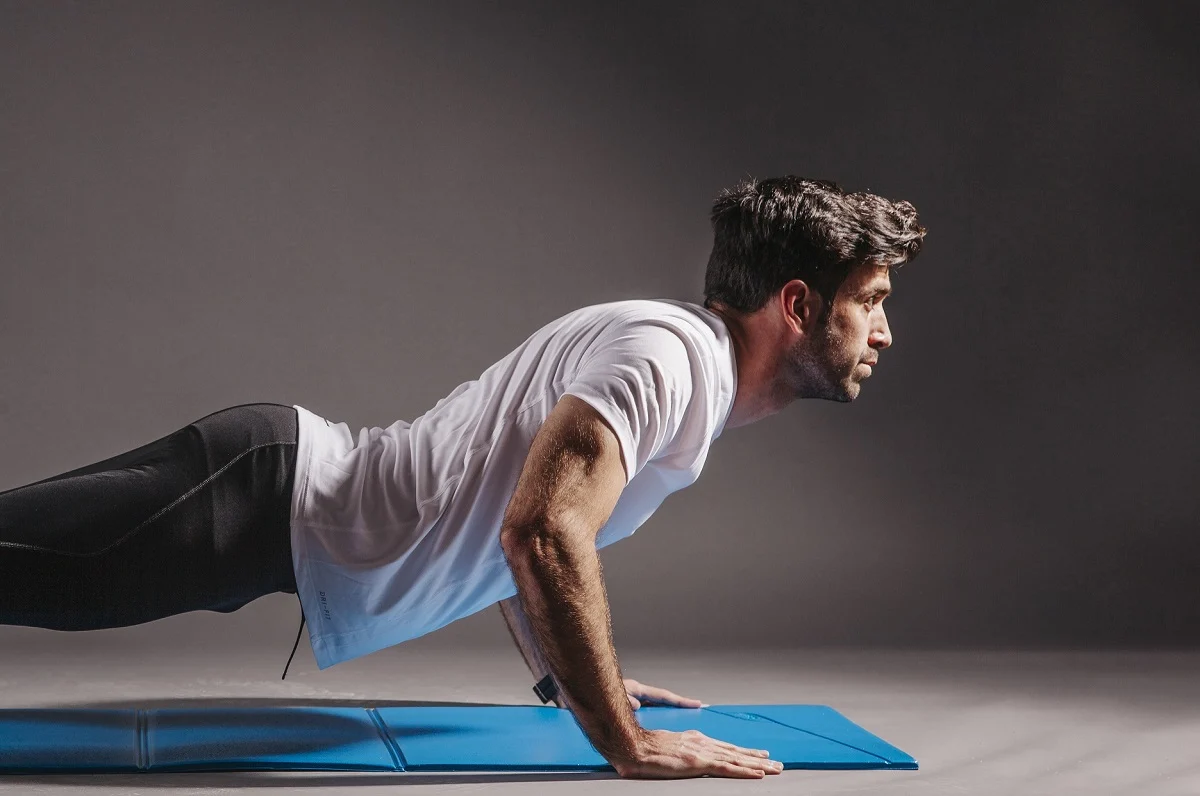
Plank – strengthens the whole body, tones the abdominal muscles, strengthens the lower back and thighs, and builds the shoulders. It’s a great exercise for improving strength. To perform it correctly, get into a push-up position, bend your elbows at a right angle, and support your body weight on your elbows and forearms. Keep your body straight, forming a line from your head to your heels.
Read more: TOP 5 Shoulder Exercises
Jumping Jacks – a compound plyometric exercise performed using your body weight. It works all the major muscle groups and stimulates the nervous system. To perform it, stand upright with your feet together and your arms by your sides. Jump, spreading your legs apart and raising your arms above your head. Land with your legs apart and your arms overhead. Then jump again to return to the starting position. Repeat the movement according to your workout plan.
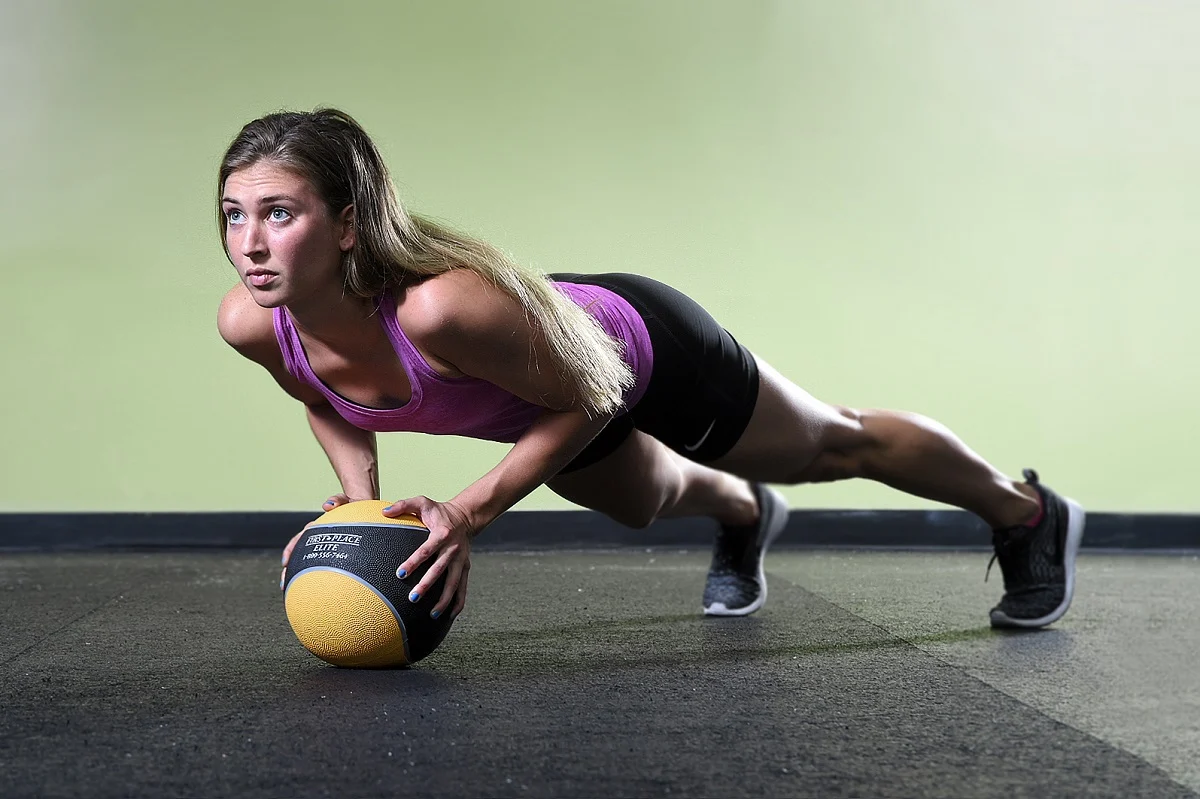
Glute Bridge – primarily works the glutes and calves. Keep your feet flat on the floor, breathe evenly, and distribute your weight evenly throughout your body. Read more: 5 Types of Squats for an Amazing Butt. Pull-ups with Knee Raises – work the back, with the biceps playing a supporting role. As you lift yourself off the ground, raise your legs forward and bend your knees. Resistance Band Exercises – these work many different muscle groups. They improve balance and strength endurance, and strengthen the core, including the thighs and abdominal muscles. Read more: Alternative Cardio Activities for Beginners. Medicine Ball Exercises – include side throws, overhead lifts, push-ups performed on the ball and more. Side throws work the abdominal muscles: hold the ball overhead and throw it forcefully down to one side. Medicine ball push-ups build upper-body strength and coordination. The position is the same as for regular push-ups, but one hand is placed on the ball; switch hands after each push-up. Kettlebell Front Swing – works the shoulders and legs. Stand with your feet wide apart and swing the kettlebell with both hands in front of your body.
Functional exercises are suitable for all ages, for both men and women. In addition to their many benefits for the nervous system, heart, circulation and metabolism, they help improve strength, endurance and balance by training the whole body at once. This makes them ideal not only for warming up, but also for a complete and effective workout.