

Including vegetables in your diet is important and should not be overlooked. Eating before and after a workout is essential for sports performance. Vegetables are not rich in amino acids, but they contain easily digestible sugars, enzymes, minerals, vitamins, chlorophyll and water-soluble fiber. They can be eaten raw or cooked. They provide the body with substances that are extremely important for staying in good shape.
Training combined with a good diet and the right amount of protein, carbohydrates and fats is a sure path to building a healthy, balanced body.
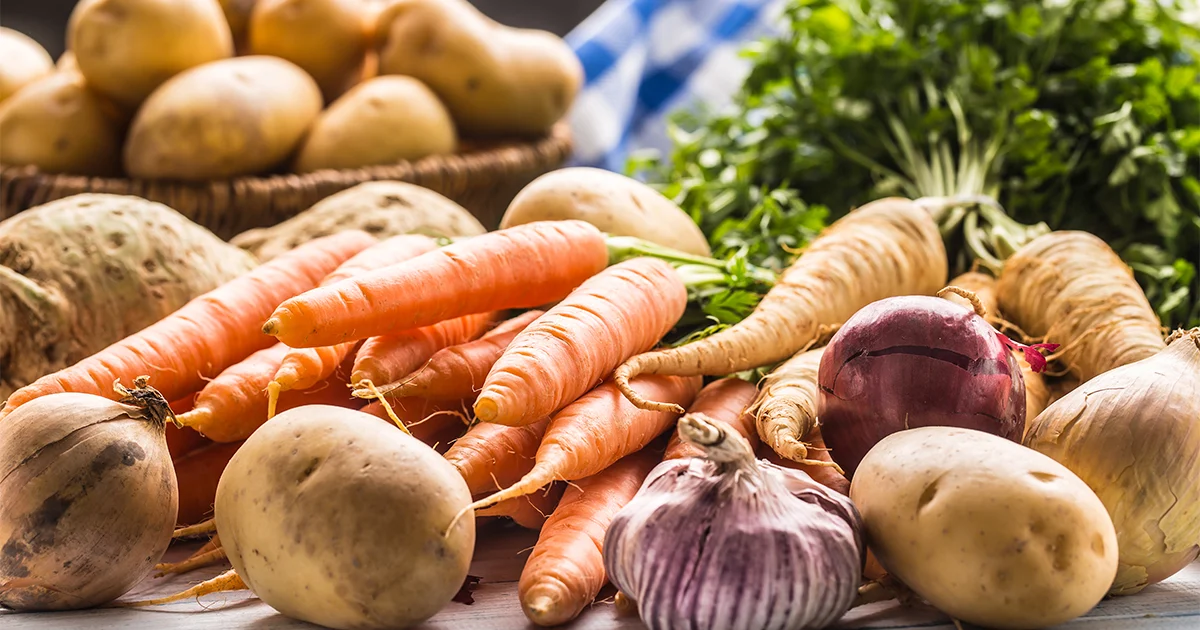 Potatoes –
Carbohydrate-rich vegetables
- Potatoes are known for their high carbohydrate content, but they are also a good source of potassium, vitamin C and fiber. They are beneficial for people who engage in physical activity, as potassium helps regulate muscle function.
- Sweet potatoes – Sweet potatoes are also rich in carbohydrates, but they also contain plenty of fiber, beta-carotene, and vitamins A and C. They can help reduce inflammation in the body and strengthen the immune system.
- Peas – Peas are rich in carbohydrates and protein, and also contain plenty of fiber, vitamins and minerals. They are beneficial for heart health and can reduce the risk of diabetes.
- Corn – Corn is rich in carbohydrates and fiber, and also contains plenty of antioxidants, vitamins and minerals. It may help reduce the risk of various diseases and strengthen the immune system.
Protein-rich vegetables
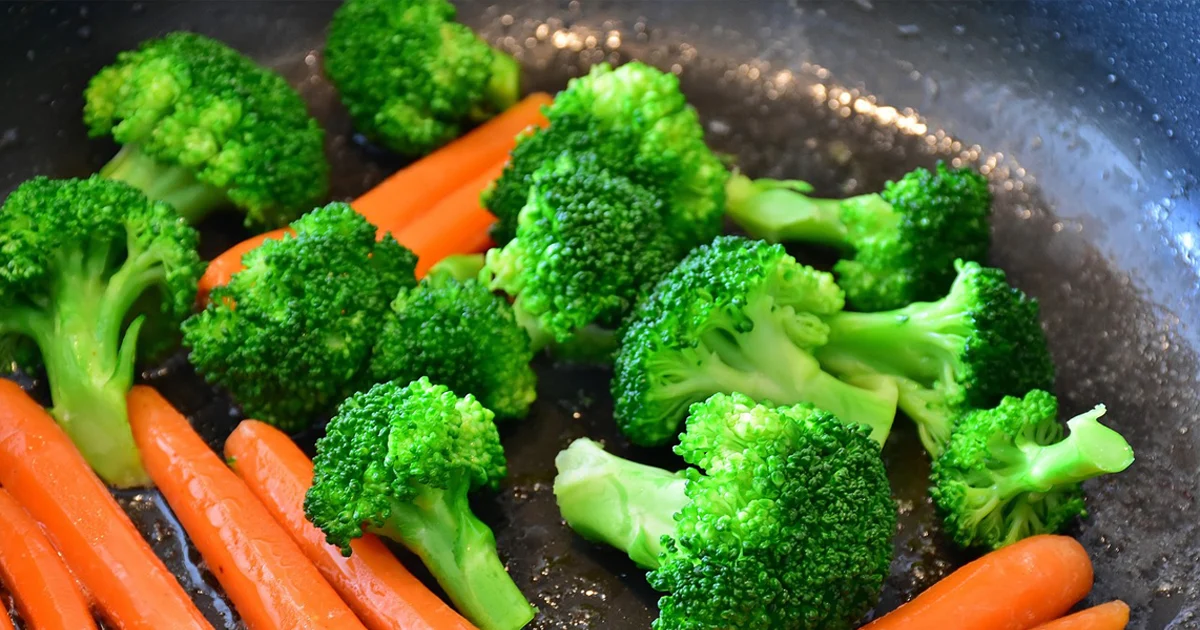
- Broccoli – Broccoli ranks among the top vegetables for beneficial nutrients. It is packed with folic acid, beta-carotene, vitamins and minerals.
- Edamame – Edamame beans deserve a place in your vegetable intake if you’re serious about building muscle. And it’s not just because of their high protein content. According to USDA Edamame is the vegetable with the highest leucine content—amino acid that stimulates protein synthesis.
- Artichoke – Artichokes are widely recognized as a healthy superfood because they’re packed with beneficial nutrients. They’re low in fat and rich in fiber, minerals, vitamins, and antioxidants.
- Cabbage – Cabbage can help with weight loss thanks to its low glycemic index. The body uses more energy to digest it than it gets from it. It contains vitamins C and B, which boost metabolism and help the body burn fat.
- Brussels sprouts – Brussels sprouts are also low in calories and rich in fiber, minerals, and vitamins. They’re a source of vitamins K, B, and C, as well as phosphorus, iron, and magnesium. They’re a great vegetable for helping your body recover after a workout.
- Asparagus – Asparagus is a staple in most athletes’ diets. 100 grams of asparagus contains 2.4 grams of protein. It’s a great source of vitamin K, potassium, and antioxidants.
Vegetables rich in micronutrients:
- Spinach – Green vegetables are rich in chlorophyll. A 180-gram serving of cooked spinach contains 6.43 mg of iron. Leafy greens are also an excellent source of magnesium, a mineral essential for metabolism, carbohydrate absorption, and muscle growth.
- Kale – Kale is a leafy green and is already on the list of superfoods that should be part of a sports diet. It’s exceptionally nutritious, low in calories, high in fiber, and contains no fat.
- Arugula – Unlike other leafy greens, arugula contains essential omega-3 fatty acids, which are important for every cell in our body.
- Lettuce – Lettuce is rich in fiber and cellulose, low in calories, and contains no fat. Its high potassium content helps regulate fluid levels in the body.
- Nettle – Nettle is suitable for all kinds of stews and soups. It’s rich in vitamins A, B-complex, C, D, E, and K, as well as minerals such as potassium, calcium, magnesium, iron, manganese, zinc, and copper. It’s a powerful antioxidant with a toning effect, earning it a top spot among the must-have vegetables for fitness nutrition.
- Dock – It’s undoubtedly a nutritious food, rich in amino acids, carbohydrates, protein, and minerals. It contains vitamins C, K, A, and E. Dock is rich in flavonoids, essential oils, mineral salts, and cellulose.
Vegetables rich in nitric oxide:
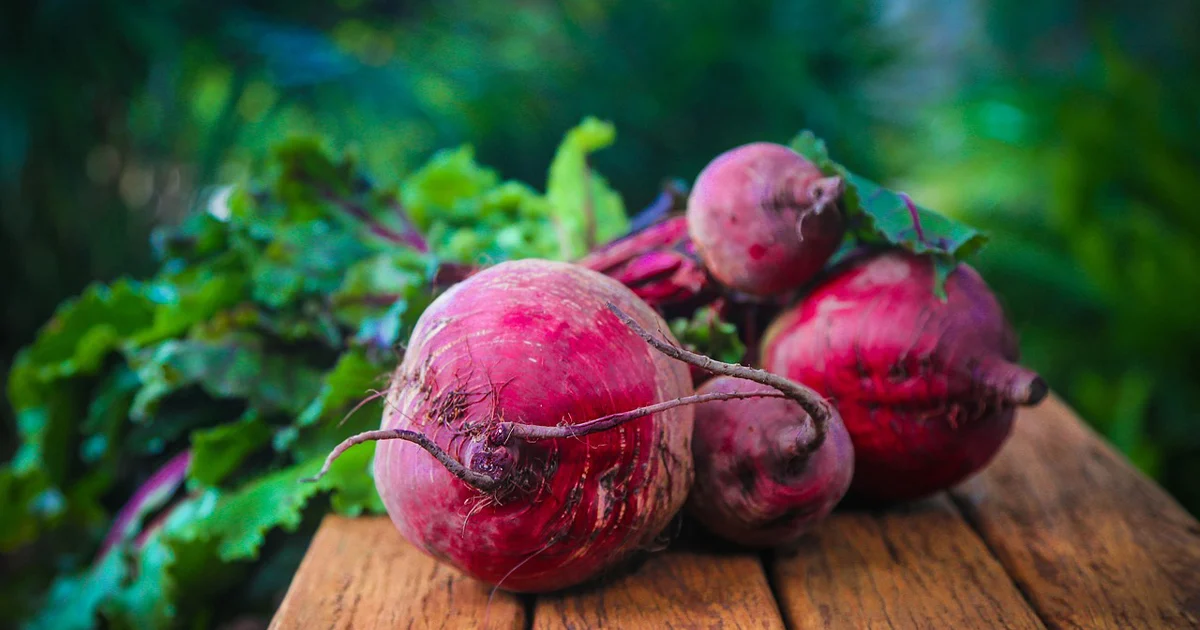
- Beetroot – Numerous studies show that eating beetroot can improve your athletic performance. Athletes who drank beetroot juice before a workout saw a 38% increase in blood flow to their muscles. The secret weapon is natural nitrates, which are converted into nitrites in the body, boosting endurance and lowering blood pressure.
- Parsley – Parsley is among the few foods that contain oxalates, naturally occurring substances found in plants, animals, and humans.
- Dill – Dill contains vitamins C and A, manganese, folate, iron, calcium, magnesium, potassium, riboflavin (B2), and zinc. Fresh dill is very low in calories, with just around 4 calories in 10 grams.
- Radishes – Fresh radishes are a good source of antioxidants, minerals, vitamins, and dietary fiber. They contain vitamin C, folate, vitamin B6, riboflavin, thiamine, and minerals such as iron, magnesium, copper, and calcium. They also contain essential oils that boost digestive gland secretions and improve digestive function.
- Whatever diet you follow, it should include a variety of vegetables. They don’t just make food taste great—they also help meet your body’s daily micronutrient needs.
If you’re having trouble choosing the right diet for you, our nutritionists can create a personalized plan tailored to your needs. Contact us by phone 0700 44 044 and sign up for a Pulse meal plan today.