

What is protein and what do we need it for? Most people don’t know the answer to this question, even though the word appears on the packaging of every food product. Today, we’ll take a look at proteins and how they affect our bodies.
What is protein?
In short, “protein” comes from the traditional name for egg white, which contains proteins that support the development of the embryo. It is the most important food for its development. The same is true for humans. Regularly eating food without protein can lead to a loss of muscle mass, rapid fatigue and lack of energy.
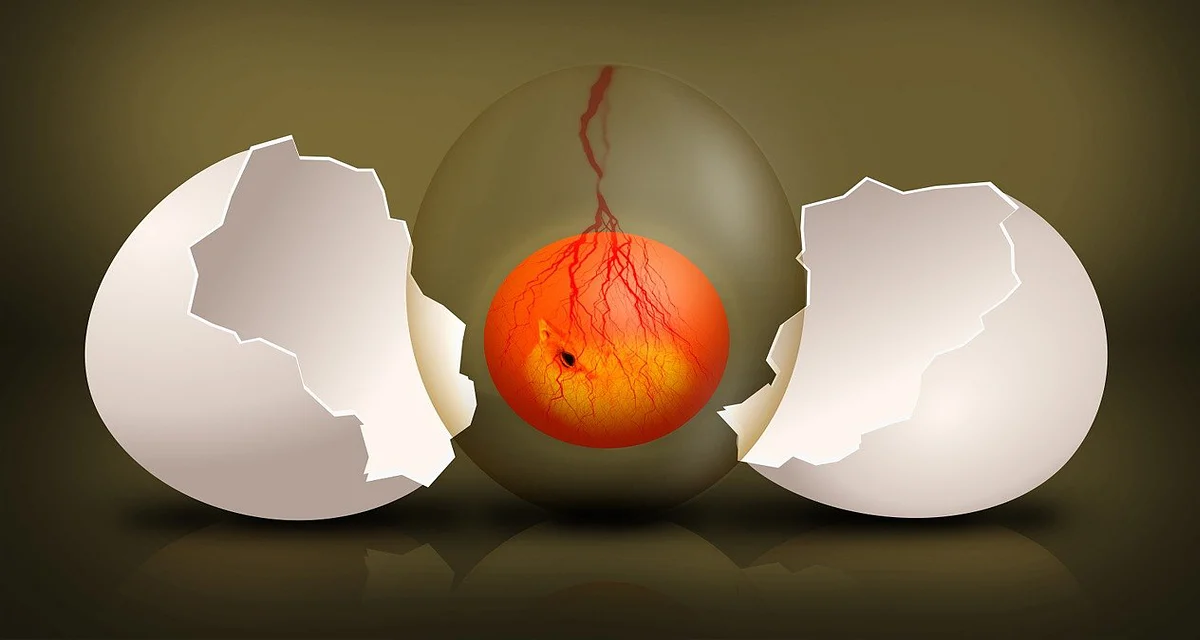
Types of protein and their biological value (digestibility)
Proteins are either plant-based or animal-based. Foods rich in plant protein include soy, beans, lentils and chickpeas. The most popular animal-based foods high in protein are chicken, pork and beef, fish, eggs, low-fat cheeses and some specialty dairy products (such as Skyr). Protein shakes are also rich in protein.
Protein digestibility varies. The higher a protein’s biological value, the more effectively our bodies can absorb it.
Eggs hold the title of “King of Proteins” (one egg contains 7 g of protein), followed by meat and dairy products. Plant proteins rank last in terms of biological value.

Eggs are the cheapest source of protein and are very easy to prepare. In addition to protein, egg yolks contain fat (around 3–3.5 g) and B vitamins. According to statistics, they also contain “bad cholesterol” (the latter is a highly debated topic in fitness circles). On the one hand, the cholesterol in eggs may have a negative effect on people who are overweight and lead a sedentary lifestyle. On the other hand, it helps produce testosterone.
What’s the easiest way to get protein?
If your lifestyle makes it difficult to eat protein-rich foods regularly (every 3–3.5 hours), dietary supplements can help. A protein shake is tasty and easy to have wherever you are. The most commonly used is whey protein. Whey is a by-product separated during the production of cheese. It is used to make cottage cheese and whey protein, which has a higher biological value. This ranges from 104 for whey concentrate to 157 for whey isolate.
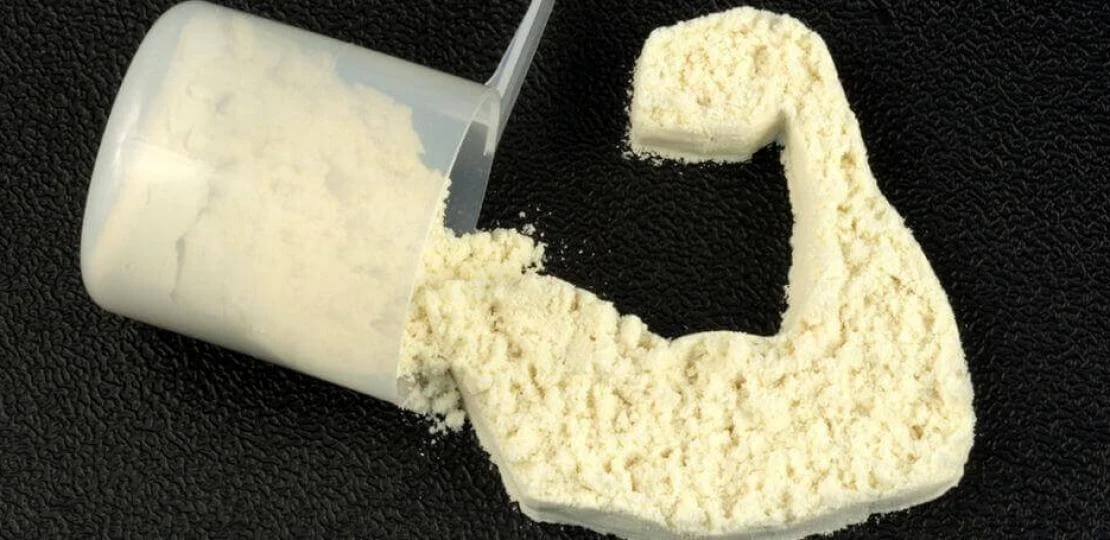
Protein shakes are easy to digest, and we might compare them to “baby food.” We don’t recommend relying on them alone, so you don’t “spoil” your body. For the best results, combine them with familiar protein-rich foods available on the market. Don’t forget to include complex carbohydrates, healthy fats, fiber, vitamins, and minerals.
We recommend consulting a professional dietitian, who can create the best meal plan for you based on your goals— weight loss, building muscle mass, or improving fitness. We recommend combining a meal plan with workouts at the gym or group classes such as yoga, Kangoo Jumps, boxing, aerobics, and more.