

We associate testosteronewith everything masculine—strength, muscles, even aggression. But what exactly is this hormone? Testosterone is a steroid hormone produced naturally in the human body. Although it is primarily a male sex hormone, it is also present in women in smaller amounts. Testosterone is released by the testes in men and the ovaries in women. In both sexes, small amounts of the hormone are also produced by the adrenal glands.

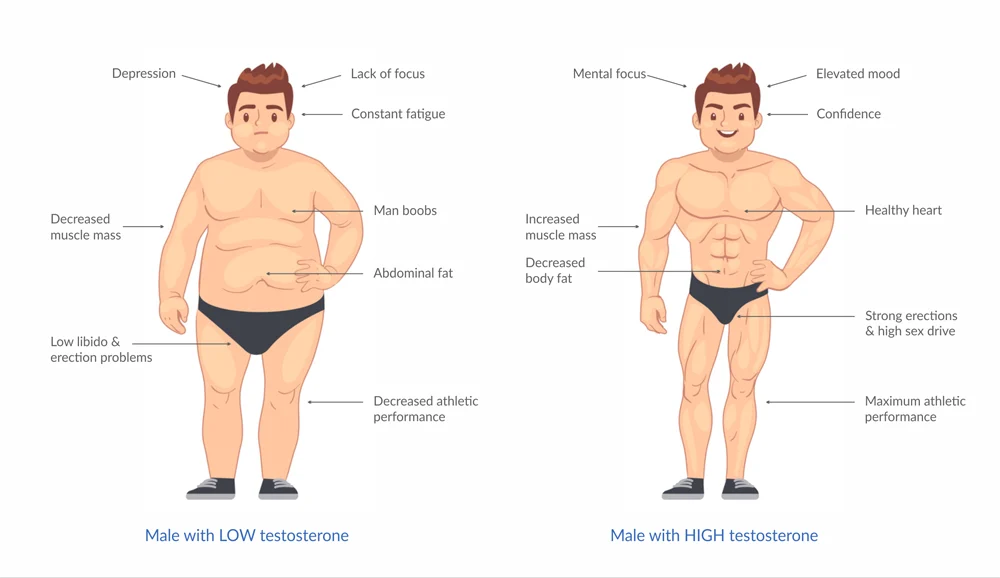
As the primary male sex hormone, testosterone is responsible for male characteristics such as increased muscle and bone mass, a deepening voice, and body hair growth. Low levels can affect quality of life, so it is extremely important to keep track of it in our bodies. Often, the body itself gives us clues that this important hormone is declining. Here’s what to look out for:
Read more: 13 Fascinating Facts About the Human Body
Diagnosis
How can we diagnose testosterone levels in our bodies? In addition to the obvious method of medical tests, you can watch for signals from your body. If you learn to recognize your body’s signs, you can protect yourself from deteriorating health and take preventive action. Some of the most common physical signs of low testosterone are:
- Your muscles shrink as your belly grows.
- Bone mass decreases, and bones become weaker
- Memory problems, frequent mood swings, and a lack of sexual desire
Read more: Intermittent fasting: What is it and how can it help me?
Low testosterone levels have also been shown to be directly linked to a number of heart problems. This may be because testosterone helps open the blood vessels leading to the heart, allowing blood to flow more freely.
Artificial intake
As mentioned, testosterone plays an important role in bone formation, but it is also essential for maintaining bone density, especially in older people. Testosterone supports protein synthesis, which is fundamental to muscle hypertrophy. In other words, this hormone not only preserves existing muscle mass but also allows you to build on it—meaning bigger, more defined muscles. That’s why many men who train turn to artificial supplementation, also known as testosterone therapy, hoping to gain more muscle mass in a short time. This procedure raises hormone levels in the male body with the help of tablets or other medications. The two most common forms are injections and tablets. Note that this approach is primarily intended to treat hormonal disorders.
Read more: Get stronger fast with a high-protein diet and strength training
Injections involve injecting doses of testosterone propionate into the muscle. The downside is that after an injection, testosterone levels suddenly rise very high, which can damage the liver. However, they then drop so sharply that another injection needs to be given regularly. Tablets – 40 to 80% of the pill you take is not absorbed by the body. To avoid this, methyltestosterone tablets were used in the past, but today they are banned in almost every country except the US because they are toxic to the liver. The products available on the local market have their strongest effect within 2–3 hours of taking them, so they need to be taken 2 or 3 times a day.
Training and nutrition
There are other ways to get the testosterone levels you need to stay healthy while also building muscle. We recommend improving your lifestyle by paying attention to your diet and workouts. Eating healthy fats that raise good HDL cholesterol also increases testosterone levels. Foods rich in zinc (seafood), magnesium (dark leafy greens) and vitamin K (egg yolks) can help, too.
Read more: Vitamins: What are their benefits and how can you get them?
Consult a personal trainer, who can create a fitness club program for you to follow. The most effective workouts for stimulating testosterone are high-intensity strength exercises, rather than cardio, for example. It is also recommended to include compound exercises that work large muscle groups. The most effective exercises for raising testosterone levels are squats, deadlifts, bench presses, lat pulldowns, pull-ups, overhead barbell presses and push-ups. These are basic exercises and are familiar to most men who work out. You can follow this program 3 times a week—Monday, Wednesday and Friday—so you can get plenty of rest over the weekend.
Testosterone is an extremely important hormone for health, longevity and vitality. If you improve your lifestyle, exercise more, eat well and manage stress, you should not need to worry about your testosterone levels. Still, we recommend having your hormone levels tested once a year to make sure you are healthy and can take timely action if needed.