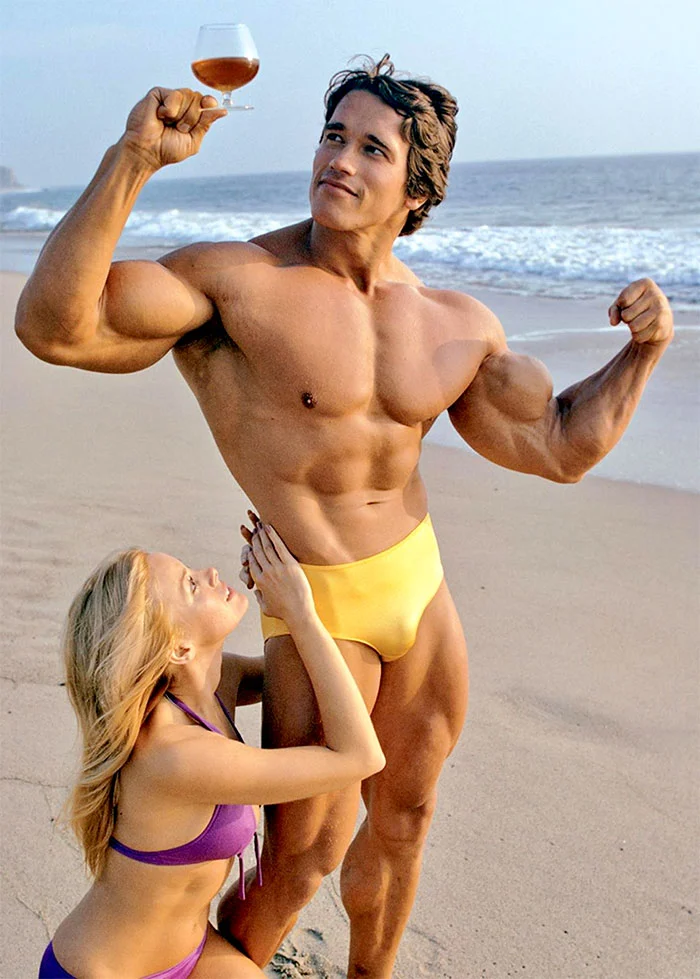
You enjoy sports, love going to the gym, and strive to achieve the perfect look. But how do you build the muscles you’ve always dreamed of? You can’t go wrong with a combination of a protein diet and strength training, and results won’t be long in coming. If you want to look like Arnold Schwarzenegger, you’ll need to give it your all. This turbo muscle-building regimen is demanding, but if you’re ready to commit to achieving the perfect physique, it’s worth it: your muscles will be sculpted down to the last detail, your body will shed excess fat, and your skin will tighten.

Gaining weight by itself isn’t particularly difficult, but when we want much of that weight to be muscle mass, a more targeted approach is needed. To give our bodies the energy they need for effective workouts, we need the right diet—or, in other words, a proper eating plan, ideally prepared by a specialist. With the proviso that “you shouldn’t try this at home” and that you should consult a professional before embarking on the serious quest for strong muscles, here are the basic rules: a protein diet combined with strength training.
Read more: 5 Benefits of Working Out with a Personal Trainer
Protein Diet
A protein diet is the best diet for increasing muscle mass. In the body, protein is a special type of molecule made up of substances known as amino acids. They are the “building blocks” of proteins—without the necessary amino acids, the body cannot create protein molecules.
Building “muscle proteins” (the types of protein molecules that make up our muscles) requires a variety of amino acids, some of which we get from food (known as “essential” amino acids).
According to the Institute of Medicine, 10–35% of our daily calories should come from protein. However, this isn’t very helpful. Why? Even if you manage to get up to 35% of your calories from protein every day, if your overall calorie intake is too low, you won’t get the amount you need; if it’s too high, you’ll eat more than necessary.
Every protein diet has its own specifics, but they all recommend two basic things:
- Eating foods rich in protein, such as eggs, meat, fish, and cheese
- Limited carbohydrate intake, such as grains and sugary foods
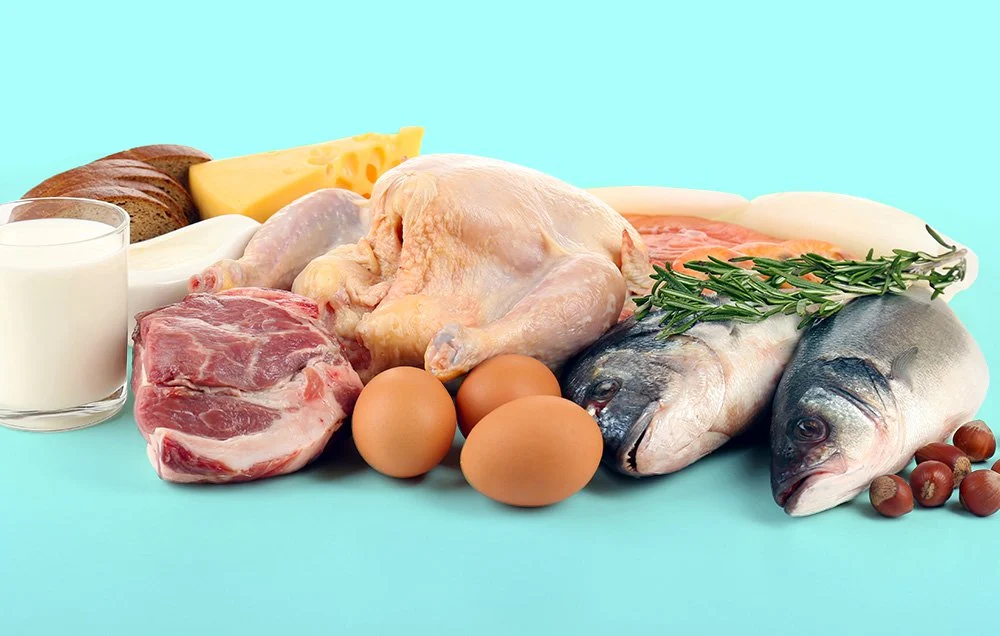
It is well known that too many carbohydrates cause the overproduction of insulin, a hormone whose main function is to supply cells with glucose and keep blood sugar levels in check by enabling tissues to absorb glucose. Insulin moves sugar out of the bloodstream and stores it in the muscles and liver as an additional energy source in the form of glycogen. Once these stores are full, any excess is converted into fat.
Real strength and definition come when you combine a high-protein diet with strength training. You’ll enjoy your workouts at the gym because each day you’ll feel stronger than the last. The changes in your body and mindset will inspire you to keep going, especially when you look in the mirror.
Read more: Supplements and fitness: Which ones are right for beginners and advanced athletes?
Strength training
If you’re a beginner or don’t have a strong level of fitness and endurance, it’s a good idea to divide your exercises into pulling and pushing movements, or train your upper and lower body separately. These workouts typically use so-called sets, usually between 1 and 6. Over time, you should increase the weight if you want to build muscle mass. This advice also applies to more experienced trainees. Vary your exercises and increase the weight you use to perform them.
Once again, we recommend working with a personal fitness instructor, who can create a suitable program for you and make sure you perform the exercises correctly. They’ll also tailor your workouts to your diet. And if you’ve decided to get as strong as possible, they’re the right person to guide you.
Why choose to train with weightswhen you’re in a muscle-building phase? Here are a few quick facts:
- More intense workouts—even shorter ones—burn more calories during and after exercise than more monotonous, longer workouts.
- They’re an essential and irreplaceable part of our routine if we’re serious about shaping our bodies and getting rid of excess fat.
- They create attractive definition, symmetrical and well-developed muscles, and a healthy body.
- The optimal number of strength-training sessions is up to 3–4 per week, no more.
- Quality and proper form matter more than quantity when it comes to sets and training load.
- Recovery is just as important as the workout itself. Overtraining and pushing beyond your physical limits and capabilities only leads to poor results.
- It’s a good idea to vary your workout routine and work on specific muscle groups rather than loading the entire musculoskeletal system at once.
Getting stronger isn’t difficult, as long as you stay consistent and committed to achieving your ideal look. And let’s be honest: your summer will be a lot more exciting than before.