

Many of you have probably been in a situation where you train hard, follow a diet plan and manage to lose those annoying pounds, but maintaining the weight you worked so hard to achieve proves impossible and after a while the pounds come back.
This is one of the most common problems, when it comes to training, diet plans, and generally shaping and maintaining your body. According to many studies in this area, for 80% of people, who have managed to lose weight, the pounds return in the same or even greater amounts. This process is known as the “yo-yo effect” and is every dieter’s nightmare.
The good news is that it can be avoided, and fitness can help a lot.
What is the yo-yo effect?
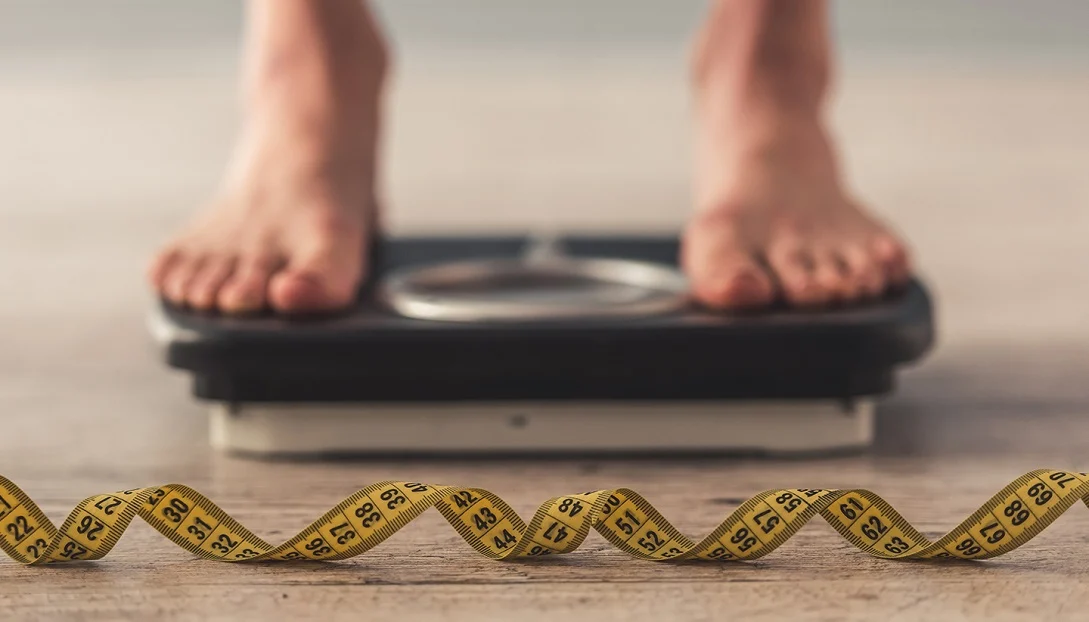
Losing weight and then gaining it back is, to say the least, disappointing. Overcoming this problem requires a lot of perseverance, motivation, and willpower. There are several main causes of this unwanted effect.
- The yo-yo effect often occurs in people with clinical weight problems or unhealthy eating habits. Severely restricting calorie intake for a short period of time—a so-called crash diet—can drastically slow metabolism and cause weight regain when a person returns to their previous eating habits
- Another cause of the yo-yo effect may be following a diet that doesn't suit your lifestyle or isn't healthy. The more restrictive the diet, the greater the chance of regaining lost weight. And sometimes, even when people follow a diet strictly, they continue unhealthy habits such as eating large portions or frequently snacking between meals. In these cases, no matter how healthy the diet is, these habits can have a negative effect
- In some cases, the yo-yo effect may also be caused by a hormonal imbalance. When levels of key hormones related to body weight are too low or too high—namely testosterone, estrogen, progesterone, thyroid hormones, and stress hormones (such as cortisol) and others—even the most determined weight-loss efforts can be undermined
Can working out cause the yo-yo effect?

The yo-yo effect is more likely to occur when you don't work out regularlythan the other way around. A common issue here is that one of the basic rules of fitness— consistency —is also one of the most often overlooked.
That's why the term yo-yo workoutsis used. It mainly refers to setting very challenging goals at the start, which leads to intense training for a certain period, followed by a return to an old lifestyle.
Periods of intense physical exertion followed by weeks of inactivity can increase fat cell production and lead to weight gain. As a result, they can cause significant harm to the body. The main effects are:
Weight gain
Periods of high-intensity workouts, followed by long periods of rest, encourage fat tissue production in the body, leading to weight gain. The key to a toned body is to stay active all year round, season after season and year after year.
Stress and exhaustion
Sudden, intense workouts, followed by days or weeks without physical activity, put the body under enormous stress. A better option is to start with light workouts and gradually increase the intensity, rather than starting with something drastic and giving up.
Mood swings
We all know that during workouts, endorphins – the feel-good hormonesare released. They reduce stress and improve mood. Irregular workouts, on the other hand, lower energy levels and lead to mood swings.
A study by biologists from the Lawrence Berkeley National Laboratory in California highlights the effects of stopping regular physical activity. They studied more than 20,000 people over 7 years. None of them were professional runners, but they ran for pleasure and to stay physically active.
When they stopped exercising, they gained quite a few pounds. More surprisingly, when they resumed their workouts and returned to the same level they had been at initially, they couldn’t lose all the weightthey had gained.
Can fitness prevent the yo-yo effect, and are there specific exercises for this?

Physical activity combined with a healthy dietis the best combination for tackling the yo-yo effect. All it takes is consistency and choosing the right exercises for your goals.
If you want to lose weight, you need to aim for a calorie deficit, meaning you burn more calories than you consume, and be patient at the gym.
The best calorie-burning exercises are treadmill running, cycling on a stationary bike, swimming, circuit training, and weightlifting. Strength training is also an important part of a weight-loss plan, as it prevents muscle loss.
High-intensity interval training (HIIT)
High-intensity interval training (HIIT) is one of the best ways to lose weight and tone your body. It burns 240 to 355 calories in 30 minutes. It involves alternating different high-intensity exercises with minimal rest between them. HIIT can include a variety of exercises, such as jumping jacks, burpees, high knees, push-ups , and more.
In addition to weight loss, it can also benefit endurance, health, and cholesterol levels. They can even be used in the fight against type 2 diabetes.
Treadmill – 345 calories in 30 minutes
Running is also one of the effective cardio exercises for burning calories. Combined with high-intensity interval training, results come even faster. This is due to the “afterburn” effect —burning calories even after you finish exercising.
Other suitable calorie-burning exercises include:
- Stationary bike – 231 calories
- Swimming – 225 calories
- Push-ups – 247 calories
- Squats – 179 calories
- Lunges – 269 calories
- Pull-ups – 287 calories
- Sit-ups / plank – 136 calories
- Star jumps – 286 calories
- Weightlifting – 112 calories
*Calories are calculated for a person weighing 70 kg based on 30 minutes of physical activity.
What diet works well alongside gym workouts to fight the yo-yo effect?

According to Danish researchers, the most effective diet for preventing the yo-yo effect includes eating foods rich in protein and low in animal fats and carbohydrates. Recommended foods include white meat, fiber, low-fat dairy products, and foods lower in carbohydrates (white bread and white rice).
The researchers reached these conclusions after a study conducted in eight European countries to determine the optimal diet for fighting obesity. It involved 938 adults and 827 overweight children. They were divided into 6 groups and put on different diets.
The most effective diet turned out to be one based on foods rich in protein and low in carbohydrates. Adults following this diet regained an average of about 0.74 kg, while those following a diet low in protein and higher in fat regained an average of 1.67 kg.
An important role in achieving lasting results is also played by consistency. You need to change your eating habits and embrace them not as a “diet,” but as a way of life. If you plan to “start a diet” only until you reach a specific goal and then return to your old habits, there’s a very high chance your results will be short-lived.
Maintaining the right calorie balance is extremely important for achieving your goals — you need to know how many calories you consume and how many you burn.
The main strategies for changing your eating habits include:
- Tracking your calorie balance
- Eating fresh fruit and vegetables
- Avoiding snacks between main meals
- Dramatically reducing your sugar intake, sweets, junk food and alcohol