

When we set out to look good and take care of our figure, eating the right food at the right time and in the right proportions is just as important as working out and breaking a sweat at the gym. That’s because the body develops only when it gets enough of the fuel it needs – food.
That’s why following a carefully selected, balanced meal plan is recommended. It helps you know what to eat, how much and when, in line with the results and ultimate goal you want to achieve.
What Is a Fitness Meal Plan?
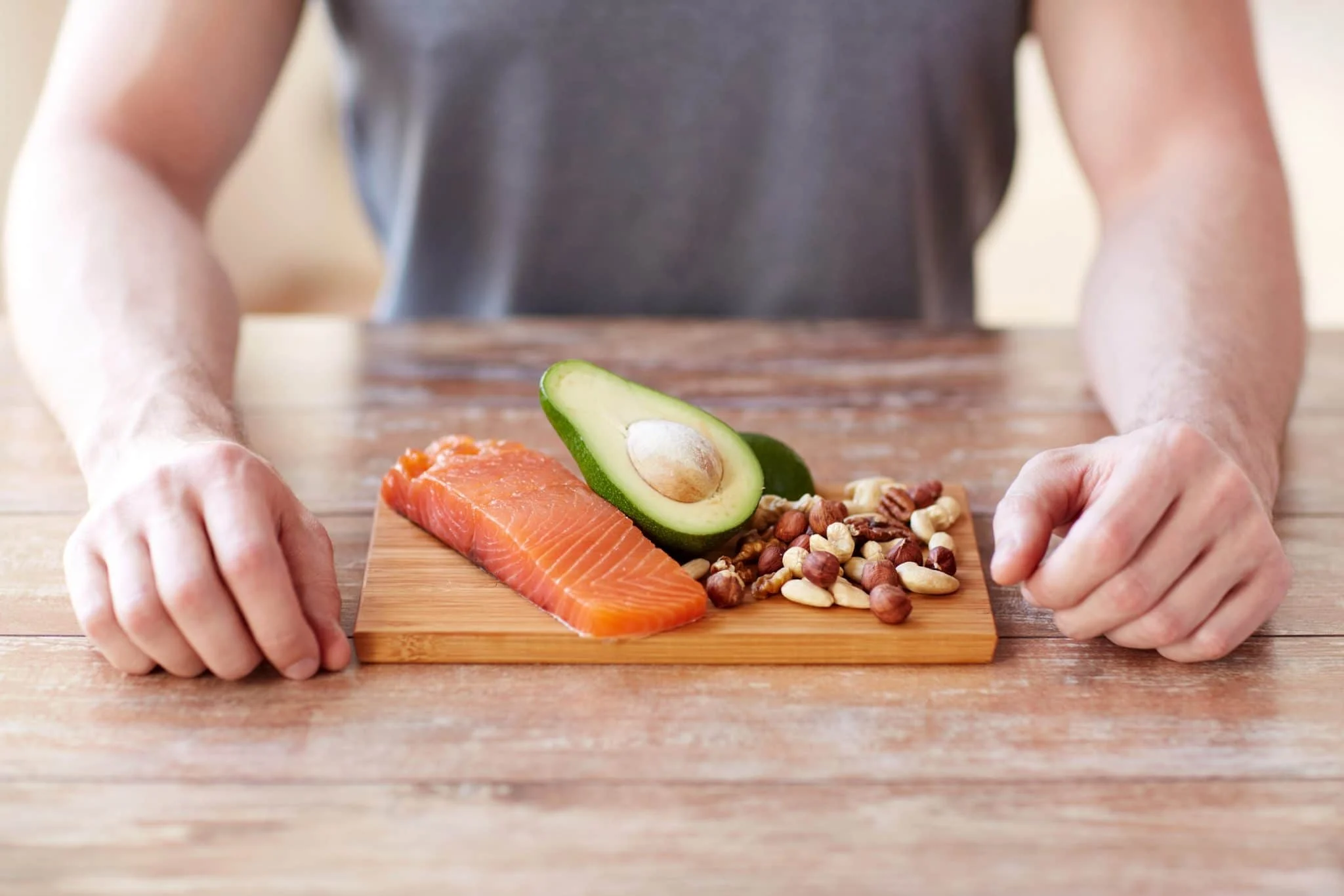
Following a proper meal plan is one of the most important steps towards achieving the toned body of your dreams. To be effective, it should be tailored to your individual needs: it should include the foods you prefer and exclude those you are intolerant to. In addition, the calorie intake and the ratio of macronutrients in your daily intake should be tailored to your goals and genetic predispositions.
The main benefits of following a meal plan are:
- Building individual eating habits
- Getting the calories you need to achieve your goals
- The right balance of the macronutrients and micronutrients
- Meal Schedule
- Food Awareness
Weight-Loss Diet

A weight-loss diet focuses on controlling calorie intake. That’s because the only way to lose weight is to achieve a daily calorie deficit of 500 to 800 kcal, meaning you need to burn more calories than you consume. The amount depends on individual factors such as sex, age, type of workout, and more.
However, you shouldn’t go to the other extreme and consume too few calories. This doesn’t mean you’ll lose weight faster. In fact, the opposite is true. When the body is short on calories, metabolism slows down. With a calorie deficit of 500 calories a day, you can lose about half a kilogram per week, which is considered healthy weight loss.
A balanced intake of macronutrients is an important part of a diet: high-quality protein, fiber-rich carbohydrates, and healthy fats. The recommended daily amounts are:
- Protein – 1.8 to 2.3 g of protein per kg of body weight. Protein keeps you feeling full for longer and helps prevent muscle loss. Foods rich in protein include chicken, beef, fish, eggs, and dairy products.
- Carbohydrates – 1–2 g per kg of body weight. They are the body’s “fuel.” Foods rich in carbohydrates include whole grains, oatmeal, and rice.
- Fat – about 1 g per kg of body weight. It’s recommended to get unsaturated fatty acids from coconut oil, olive oil, flaxseed oil, fish, avocados, and walnuts.
Diet for Building Muscle Mass

Unlike a weight-loss diet, a diet for building muscle mass requires a calorie surplus, which usually ranges from 300–500 kcal per day.
It’s recommended to tailor your diet to your body type. The first step is to determine which group you belong to: ectomorph, endomorph, or mesomorph:
- Ectomorphs are naturally lean people who find it very difficult to gain weight, build fat, or build muscle, no matter what they do
- Endomorphs are the opposite of ectomorphs: they gain weight easily, but have a slow metabolism, which makes losing weight difficult
- Mesomorphs have naturally athletic bodies with broad shoulders, strong arms and legs, and narrow hips. This body type tends to gain and build muscle fastest, but can also gain weight just as quickly.
The second step is to follow a suitable diet and workout plan for your body type:
- Ectomorphs are advised to focus on strength training and eat more foods high in carbohydrates. They need a calorie surplus to build muscle mass. Their diet should also include enough protein, healthy fats, and fluids.
- Endomorphs should focus on a combination of strength exercises and endurance training. Your diet should be very low in carbohydrates and fats, but high in protein.
- Mesomorphs, on the other hand, should focus on functional exercises and be mindful of their carbohydrate intake in the evening. They should also make sure to get enough protein, healthy fats, and fluids.
Basic rules for a diet for building muscle
- Eat at least 6 times a day—have small amounts of food every 2–3 hours.
- Avoid simple carbohydrates, such as the sugar in fruit juices and honey. Try to include only complex carbohydrates, as they help keep blood sugar levels stable and provide a steady source of energy.
- Balance your protein and carbohydrate intake—each meal should contain high-quality carbohydrates and around 30 g of protein.
- Your secret weapon is essential fatty acids—they maximize muscle building and fat burning.
- Supplements for building muscle—they can optimize the muscle-building process. Whey protein, creatine, and L-glutamine are recommended.
- Stay well hydrated—getting enough fluids is one of the key factors in muscle recovery. When you’re physically active, aim to drink 2 to 3 liters of water a day.
Diet for fat loss

Losing excess fat is achieved through a low-carbohydrate diet. Why? Carbohydrates and fats are the body’s main sources of energy. But when you consume more carbohydrates than you need, they are stored in the body as reserves. In other words, the opposite happens— fat builds up.
A low-carb diet avoids carbohydrates, especially simple carbs found in products such as white flour, sugar, and more. They dramatically raise insulin levels and stop the body from burning fat.
What are the benefits of a low-carb diet?
- properly balancing your daily macronutrient intake
- stabilizing blood sugar levels
- rapid fat loss
Basic rules for a low-carb diet
- Get enough protein —the recommended daily intake is 0.9–2 g of protein per kg of body weight. If you can’t get enough from food, use protein shakes.
- Include healthy fats in your diet —the body needs them as a source of energy. Good sources include coconut oil, nuts, and more.
- plan your meals – so you don’t have to wonder what to snack on when you’re out and haven’t prepared food
- and don’t forget to stay hydrated – water is essential for metabolic processes in the body
What can we replace high-carb foods like bread, pasta, and more with?
- Pasta – with zucchini noodles
- Rice – with grated parsnip
- Wheat/rye bread – with chia/soy/almond bread
- Muesli/oats – with chia seeds or soybeans
- Potatoes – with cauliflower
- Cashews – with walnuts
Most vegetables are suitable for low-carb diet – mushrooms, cabbage, leafy greens, celery, zucchini, tomatoes, peppers, and olives. Things are a little different with fruit.
Bananas are high in carbs, but blueberries, oranges, and blackberries are low-carb. Avoid eating dried fruit – it contains 3 to 5 times more sugar than fresh fruit.
What should every fitness diet include?
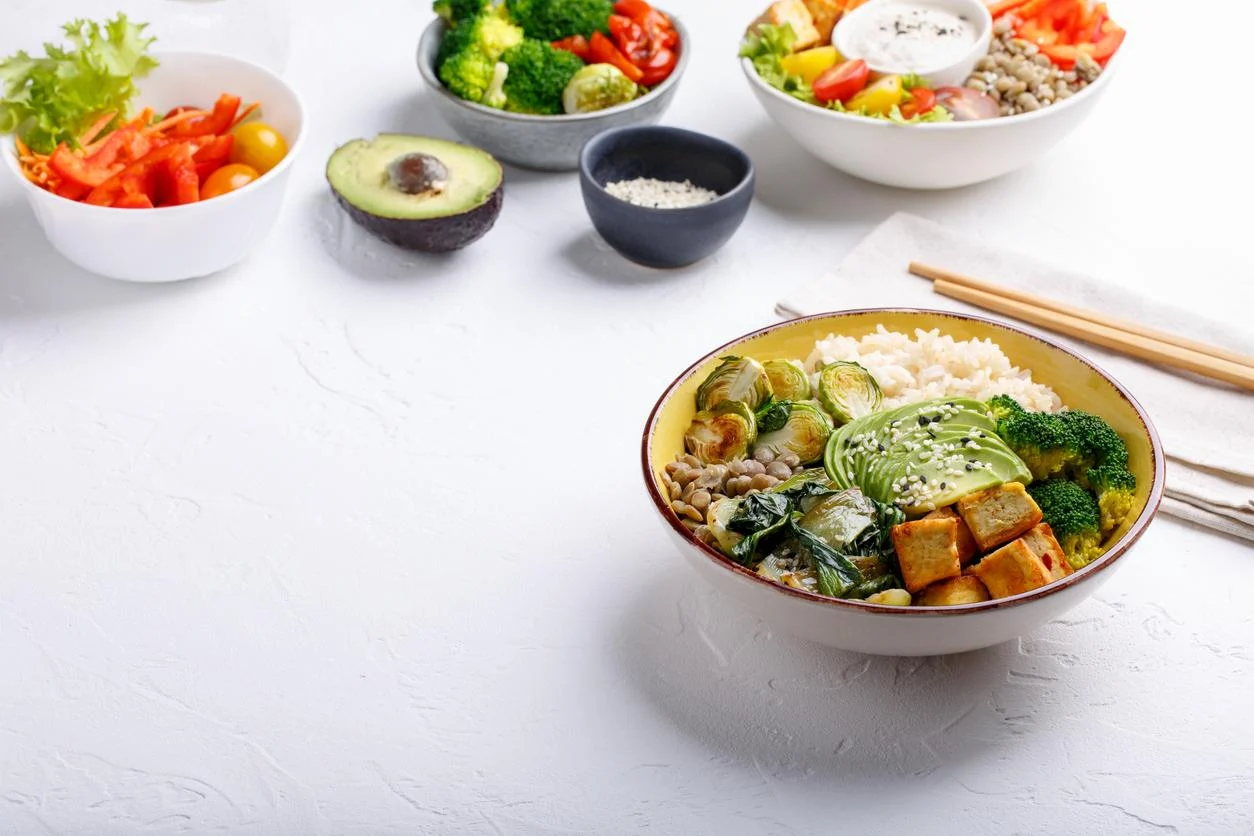
As we’ve already established, a diet should provide the calories needed by someone who trains, but these should come from a balanced intake of protein, carbohydrates, and fats. This means a diet can’t be effective if even one food group is excluded.
To turn it from a diet into a natural way of eating, it should also be varied. This is important for providing “fuel” to every cell in the body.
How often should you change your diet?
Your diet should be changed when you’re not seeing results, even with consistent training, and when you change the type or intensity of your workouts.