

As temperatures rise, more and more people are turning to sports and exercises they can do outdoors using their own body weight. Parks, schoolyards and spaces between apartment blocks offer suitable conditions for so-called “street fitness.” Wherever you choose to work out, however, the most common piece of outdoor equipment remains the pull-up bar. You may be surprised, but pull-up bar exercises are not only easy to access—they can also help you build well-defined muscles. Pull-up bar workouts burn calories, strengthen the whole body and tone your muscles. But if you think this type of fitness is limited to pull-ups and building arm muscles, we should warn you: you’re mistaken.
Read more: Why should we run every day, and what do we gain from doing it?
We’ve put together some of the most popular exercises you can do on a pull-up bar, especially for you.
Here they are:
Wide-grip pull-ups
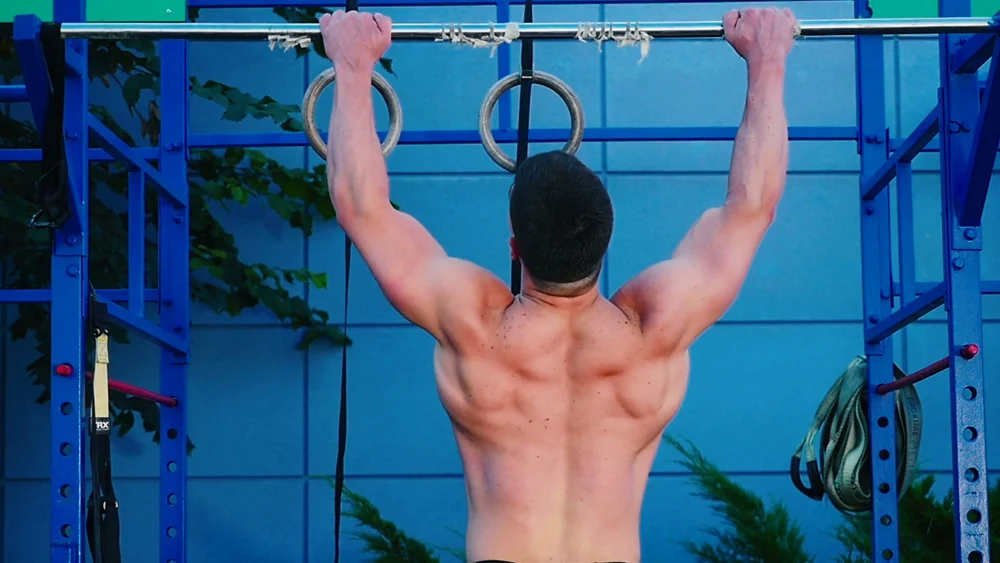
This exercise activates a total of 4 muscle groups. Wide-grip pull-ups target the biceps, latissimus dorsi, shoulders, teres major and brachioradialis. With your hands shoulder-width apart, the back muscles provide most of the force. The wider your grip, the more the effort shifts to your back muscles. At the same time, the biceps remain highly active. Wide-grip pull-ups are considerably easier than close-grip pull-ups because the back muscles are more numerous, larger and stronger than the biceps. It’s worth noting, however, that this grip isn’t particularly comfortable to use.
Close-grip pull-ups
Close-grip pull-ups activate the same 4 muscle groups as wide-grip pull-ups: the biceps, latissimus dorsi, brachioradialis and teres major. The difference is that when your hands are closer together than shoulder-width, more of the effort is placed on the biceps, while they and the back muscles remain the most active muscles throughout the exercise. Close-grip pull-ups also increase the involvement of the brachioradialis in the forearm. For optimal form, keep your hands close together on the bar; this helps you feel the short head of the biceps contract.
Read more: TOP 5 abdominal exercises
Climber pull-up
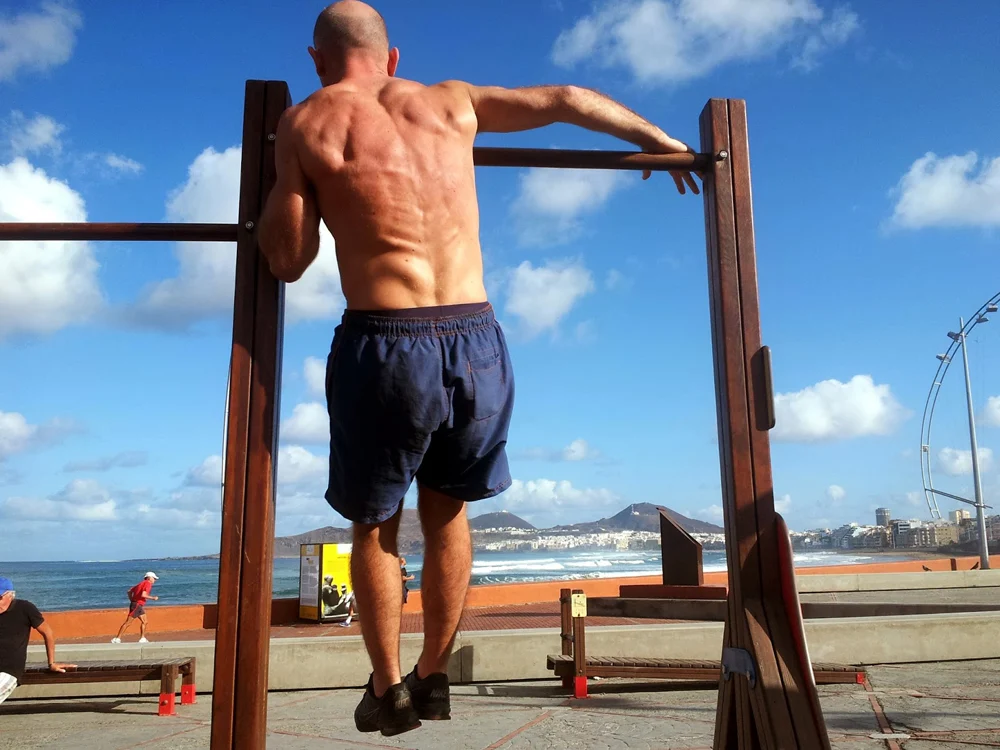
This type of pull-up trains a total of 5 muscle groups, with an emphasis on the latissimus dorsi, shoulders, forearms, mid-back and biceps. The climber pull-up is distinguished by its alternating movement. It is performed with an overhand grip wider than shoulder-width. From the bottom position, the exerciser pulls up first toward one hand and, after lowering again, toward the other. As with all pull-ups, most of the pulling force comes from the latissimus dorsi, but the arm muscles also play a notable role because one arm or the other bears significantly more of the load during each pull.
Read more: TOP 5 chest exercises for men
Behind-the-neck pull-ups
This exercise trains a total of 6 muscle groups, specifically the rhomboids, rear deltoids, infraspinatus, latissimus dorsi, trapezius, shoulders, forearms, mid-back, biceps and brachialis. Behind-the-neck pull-ups are performed with a wide overhand grip, as other grips are often impossible for the exerciser. This type of pull-up develops the same muscle groups as front pull-ups. The main load is placed on the latissimus dorsi. Because the shoulder blades retract during this exercise, the muscles in the inner and upper back are actively engaged.
A significant part of the effort also falls on the shoulders, but you should perform the exercise carefully because there is a risk of injury. As you do this exercise, try to keep your head only slightly tilted forward—just enough to let the bar pass behind your neck.
Wide-Grip Pull-Ups
This type of pull-up trains a total of 5 muscle groups. Practice it regularly and you’ll soon develop your latissimus dorsi and build extra strength in your forearms, shoulders, teres major, rhomboids, biceps, and rear delts. Perform the exercise with an overhand grip in front of your chest, at least a handspan wider than shoulder-width. Wide-grip pull-ups in front of the chest are the best exercise for building a wide back—and transforming your overall look and physique.
A wide grip puts your elbows and shoulders in a position where it’s difficult to use their moving force. This significantly reduces the role of the biceps and engages more of the back muscles than a narrow overhand grip. To change the difficulty of the exercise, adjust the width of your grip.
Read more: 5 Exercises for a Toned Stomach
Close-Grip Pull-Ups
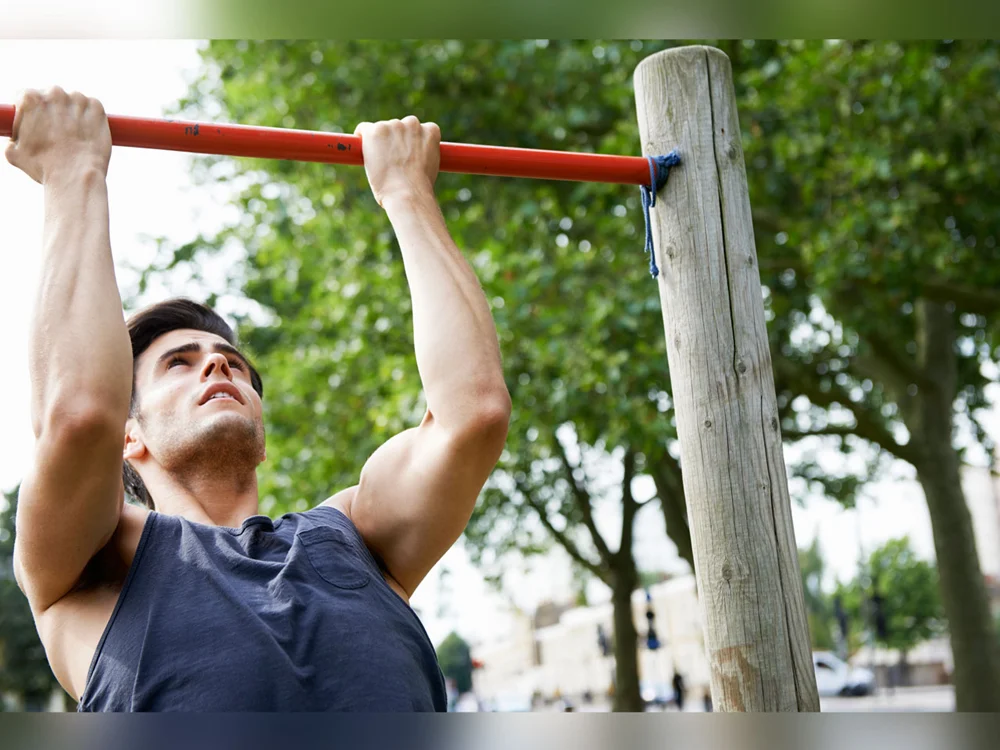
Close-grip pull-ups also work multiple muscles: they train the latissimus dorsi and biceps, while building strength in the forearms, shoulders, and upper chest. Close-grip pull-ups in front of the chest, also known as military pull-ups, are easier to perform than wide-grip pull-ups. In this exercise, the elbow and shoulder joints are in a more mechanically advantageous position. With a close hand grip, the shoulder joints extend, which also trains the chest and biceps. More muscle groups are engaged, mainly in the arms, spreading the effort and allowing you to do more reps. In close-grip pull-ups, the back provides most of the driving force.
Read more: What Should We Know About Testosterone?