

There is hardly a concept more abstract than the definition of beauty. We all know that standards and commonly accepted features of a beautiful appearance are often subjective, especially to eyes that look at you with greater interest. Still, the times we live in impose their own beauty stereotypes. If we go back in time, we’ll find that even in 1910, women followed fashion and the standards of the day. Female beauty began to take center stage with the development of cinematography in the first decades of the last century. The first style icons emerged then, and their looks are still fashionable and admired today.
What did the “ideal woman” look like, and how has her beauty changed over the past 100 years?
1910: At the beginning of the last century, the ideal woman was modest and wore curls like Mary Pickford. But after the end of World War I, women’s appearance changed significantly. Short hairstyles and lots of makeup became the norm, and silent-film actresses took on the role of the femme fatale. At the time, the ideal female figure had a tiny waist. Women often wore tightly laced corsets to achieve it.
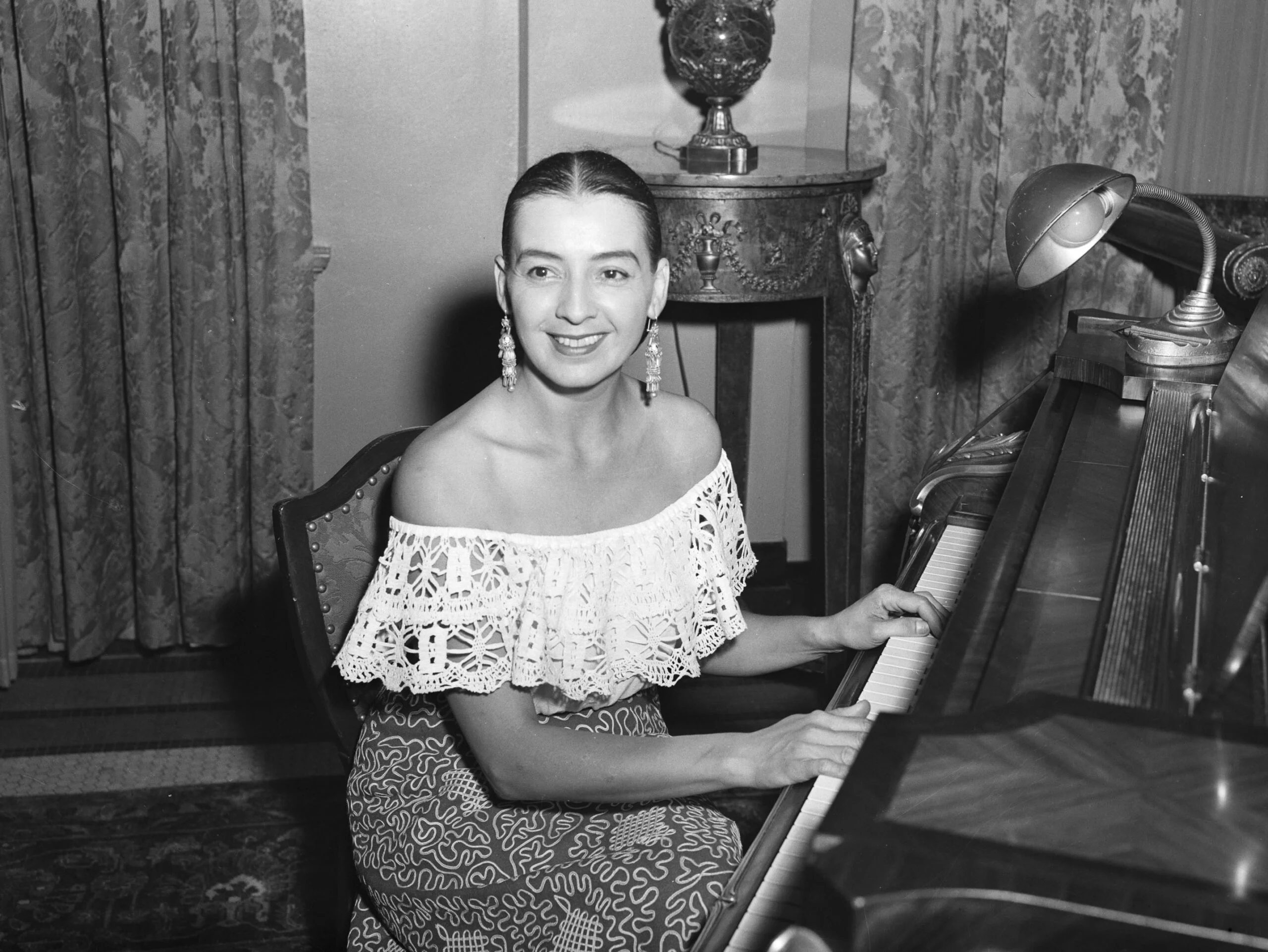
1920: By the early 1920s, long hair was no longer fashionable for women. The pursuit of “eternal youth” also began in the 1920s, and new cosmetics appeared to help conceal perceived flaws. Women in the 1920s wore bold makeup and straight, loose-fitting dresses, while a flat, boyish figure was considered sexy.
Read more: 5 Ways to Welcome Spring with New Healthy Habits
1930: These were the years when glamour took over female beauty. In the 1930s, the ideal was tall, slender women with curly hair and long eyelashes. Icons of the decade included Jean Harlow, Marlene Dietrich, and Greta Garbo. These were also dark times, when the Mafia was at its peak and cabarets were “bursting at the seams” as they secretly served alcohol, which was prohibited at the time. Their heavily made-up singers attracted men’s attention with velvet voices and smoky makeup.
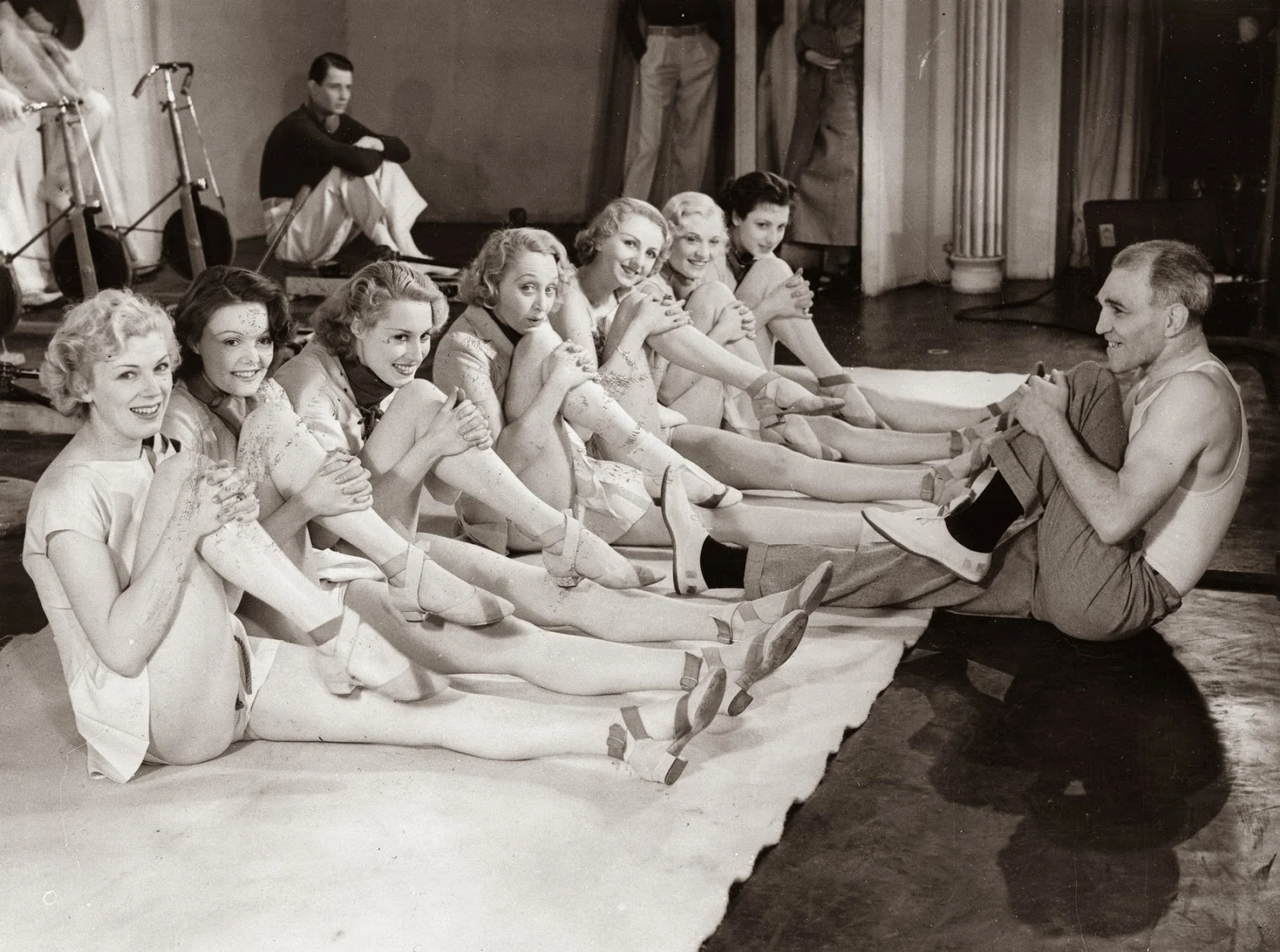
1940: These were hard and difficult years for all of humanity. Women became more rounded, projecting strength and restraint. Many had to care for their families on their own, so the desire for a fashionable appearance gave way to the need to be practical. Their bodies were strong and not very curvy.
1950: The 1950s will forever be remembered as the era of the “New Look.” It was the decade that gave us timeless legends Marilyn Monroe, Sophia Loren, and Elizabeth Taylor. They transformed perceptions of female beauty, proudly showing off their curvy hips and breasts, slim waists, and shapely legs.
Read more: A Body’s Confession: “I Am You, Don’t Forget Me”
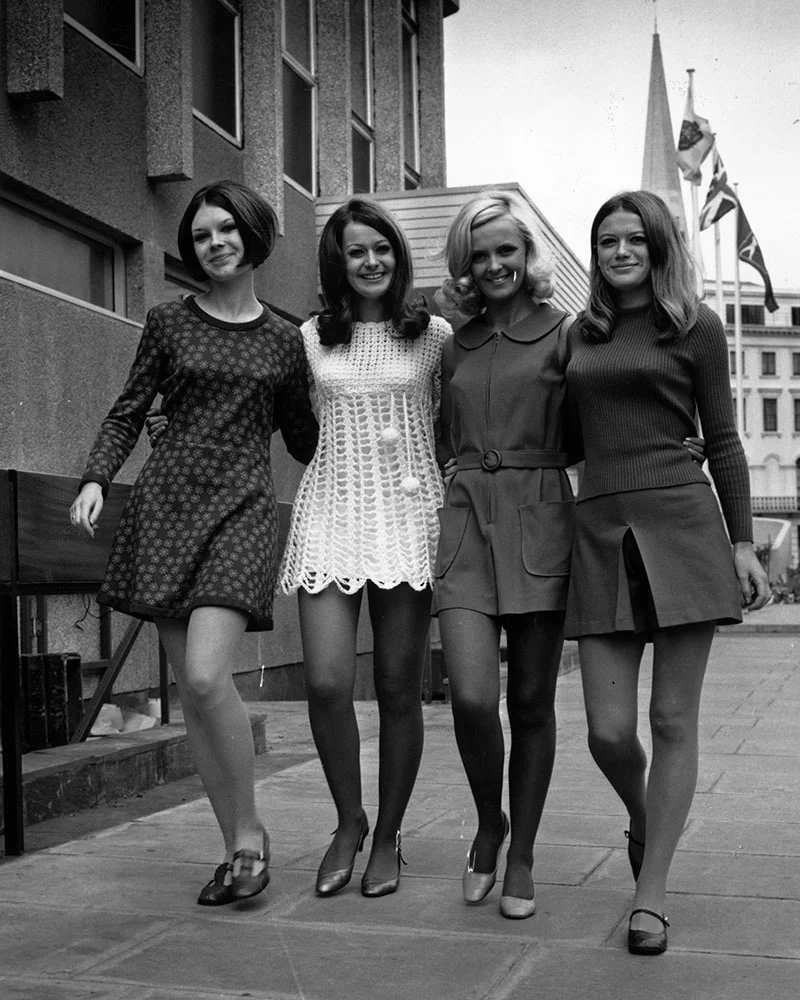
1960: This was the age of delicate-looking women who looked great in miniskirts and dresses. During this decade, many girls turned to dieting to keep up with beauty trends and look like their idols. The ideal body was slim with fewer curves. The sexual revolution left a huge mark on this period, and its impact continues to shape beauty standards today. The new social movement championed free love, the rights of women and minorities, and an end to wars. It gave rise to hippie culture and a sharp turn toward liberal values of personal expression and freedom.
1970: In the 1970s, fit, toned women became fashionable for the first time. An athletic body quickly became the ideal of femininity and beauty. Icons of the decade included actress Farrah Fawcett and singer Donna Summer.
Read more: 5 Exercises for a Toned Stomach
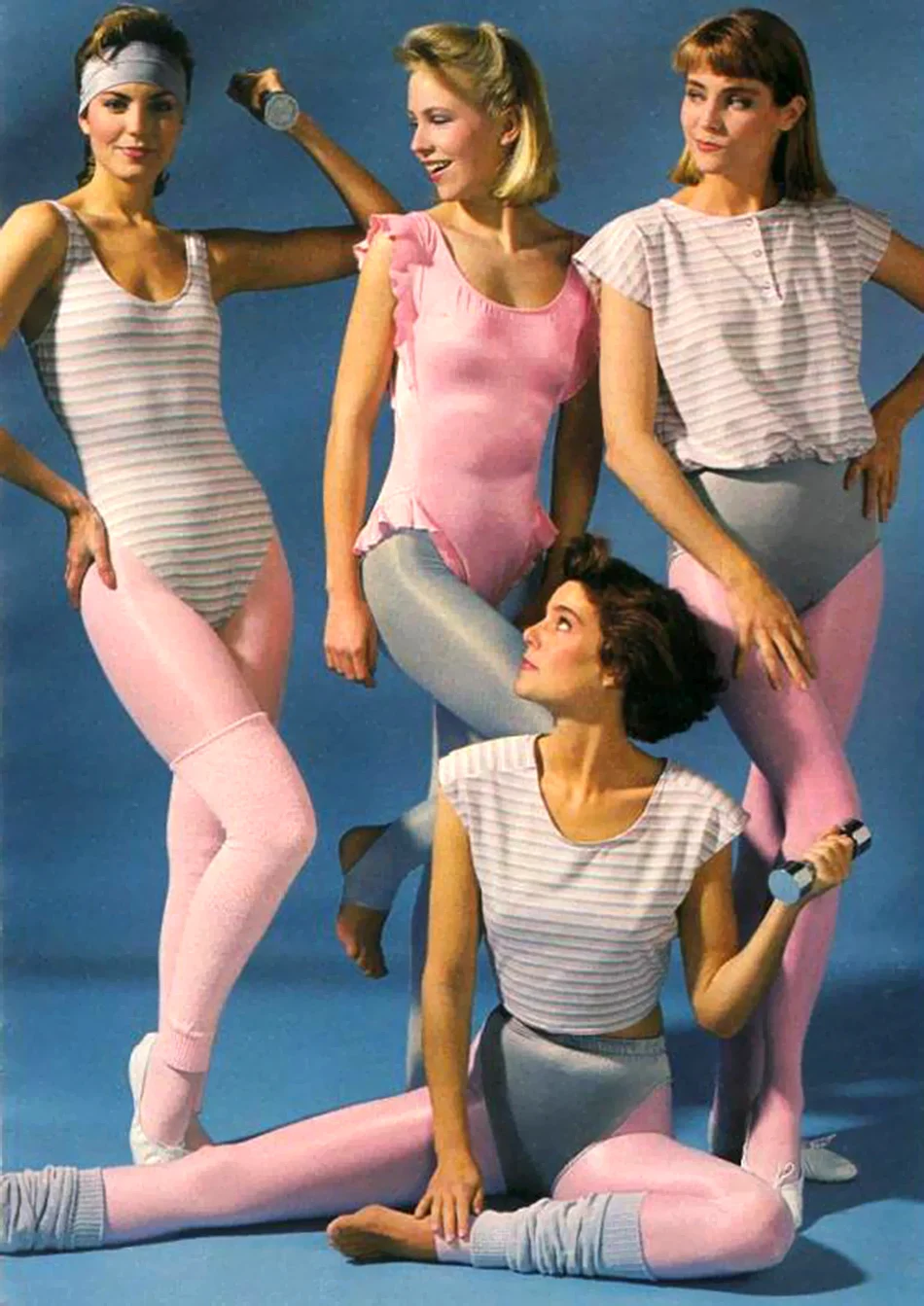
1980: Aerobics defined an entire decade and set the beauty standard in the 1980s. An athletic body was the leading criterion for attractiveness. Every woman wanted long, athletic, toned legs. We won’t even comment on the unusual hairstyles. The 1980s played out to the music of Madonna, who remains provocative to this day.
1990: The 1990s were the era of supermodels: tall, painfully thin women whom everyone adored. Women aspired to look like Naomi Campbell, Cindy Crawford, Claudia Schiffer, and Kate Moss. Kate and her look gave rise to a rather cynical trend called “heroin chic”—girls were thin, pale, and gaunt.
Read more: Intermittent Fasting: What Is It and How Can It Help Me?
2000: In the new millennium, the 1990s “heroin chic” look was replaced by a slim, toned body with a sun-kissed tan. Women became increasingly empowered, while pop culture and MTV played an important role in shaping fashion and women’s attitudes toward their bodies and appearance. Extremely thin women were no longer in fashion and were even criticized, as their look was considered unhealthy. Women went crazy for low-rise jeans and crop tops, which in turn set a trend of striving for perfect abs.
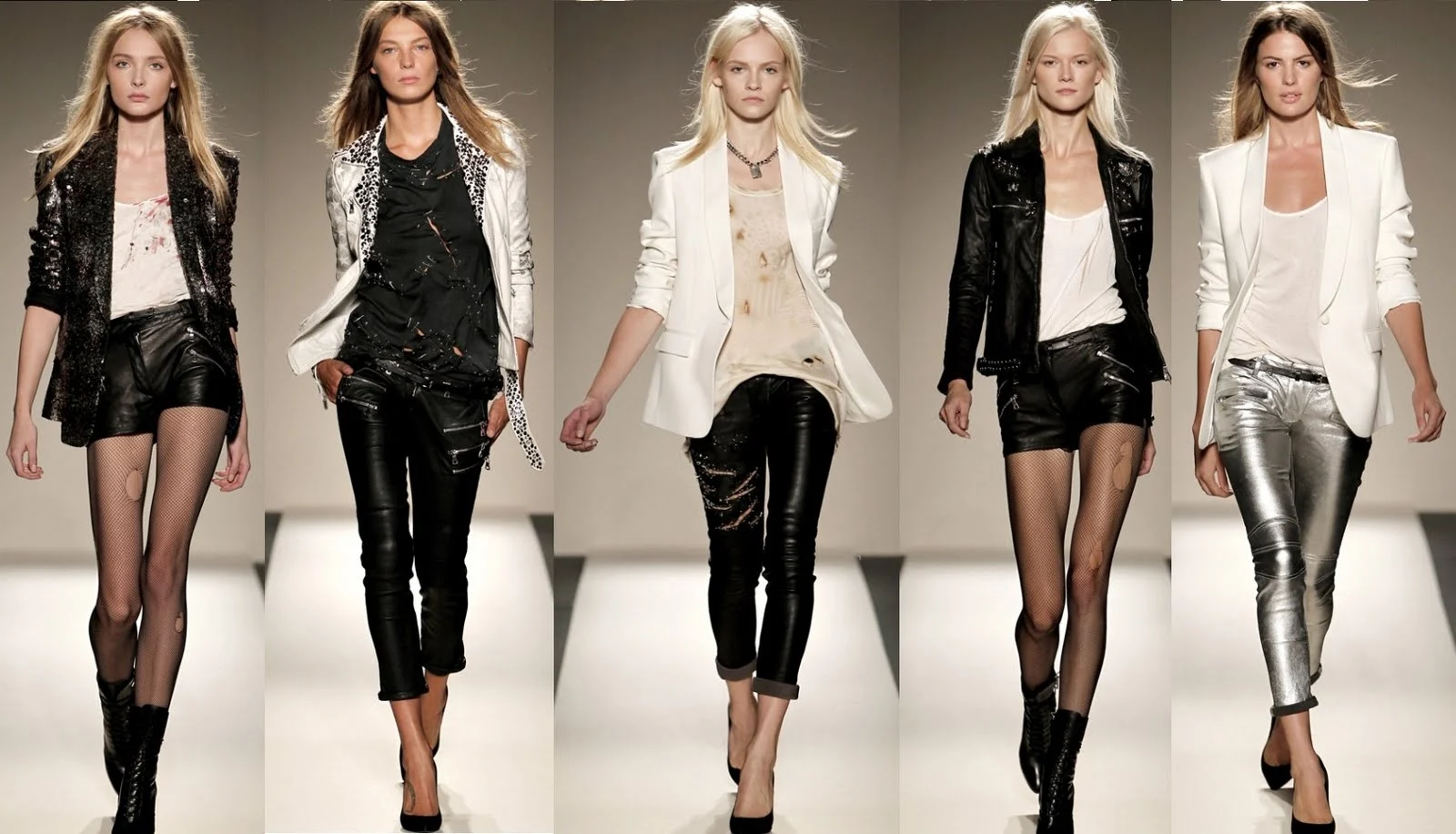
2010: These days, we can confidently say that society may have learned its lesson. There’s more and more talk about a healthy appearance. For the first time in many decades, curvy, voluptuous figures are back in fashion. A toned, well-shaped body is admired. Women who exercise regularly, eat healthily, and take care of their appearance are considered beautiful. Hollywood stars and American performers continue to shape our idea of the perfect look, but Instagram models with thousands of followers have broken this nearly century-old mold and replaced it with the idea that any girl can look sexy if she puts in the effort.
Today’s beauty ideals are very different from those of previous decades. Women can now confidently express their femininity and choose whether to be slimmer or more curvy. Beauty lies in this great diversity, even though there are still standards considered universal. A healthy-looking body will probably never go out of fashion, and fortunately, every woman can now achieve one at the many sports and fitness clubs available. They can help women look perfect in their own eyes, because their opinion of themselves is the only one that matters.
If there’s something we don’t like about ourselves, we can always make the effort to change and improve it. That’s the modern ideal of beauty.
See how standards for the female body have changed over the years, according to the American lifestyle and pop culture media outlet BuzzFeed in this video: