

Working out and maintaining a good figure haven’t become popular only in the past few years. Quite the opposite. Fitness mania has a long history, shaped by different workout trends over the past 100 years. Let’s take a look together at how people stayed in shape over the decades.
1910: The main form of exercise for women during this period was stretching the body, or what was known as Stretching. Women back then believed that a few gentle stretches would tone and shape their thighs in no time. How sweet.
1920: In the 1920s, women relied more on machines to sculpt their bodies than on their own efforts. Vibrating belts, which they placed on problem areas such as the hips, thighs and arms, supposedly helped burn excess calories. Silk nightgowns were often used as workout outfits, because fitness clothes hadn’t been invented yet.
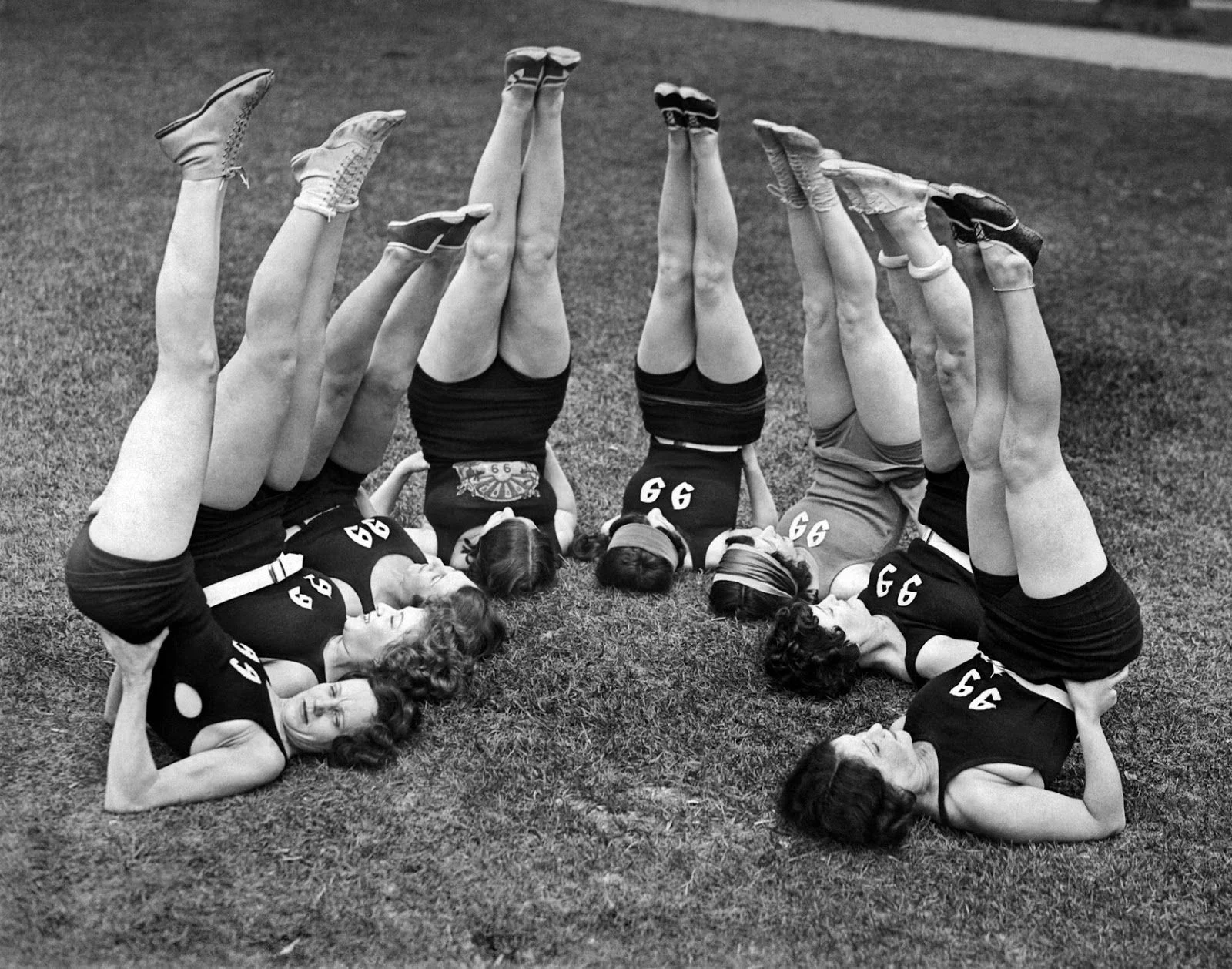
1930: Spring-loaded belts and machines resembling car wheels with rubber treads continued to shape women’s bottoms and thighs in the 1930s. The first “beauty clubs” also began to appear during this period, aiming to popularize fitness among the general public. Members often attended group workouts, wearing black shorts and white vests.
1940: Women in the 1940s focused on exercises that made them sweat very little, and fitness machines already looked like something from a popular science film. Girls gathered in makeshift gyms, where they worked out with strange equipment, but unfortunately this type of exercise had no effect. Their workout programs also included “sit-ups” (see the video below), which are performed quite differently from what we know today.
1950: During these years of the 20th century, the hula hooptook center stage. That’s right, the hoop children play with. It became popular and was sought after primarily as an exercise tool. Fun and burning excess calories and fat worked in perfect harmony.
1960: The Craze for the Device Trim Twist marked the 1960s. It consisted of a square platform attached to a metal rotating mechanism. The exerciser would step onto the device and begin twisting, just like in the dance style known as the “twist.” This home workout device became a hit with housewives and office workers alike. The idea was to sculpt the waist. Modern fitness clubs also have equipment based on a similar principle, but it is much more functional and can target different areas.
1970: Broadway star Judi Sheppard introduces Jazzercise, the new fitness craze combining aerobics and jazz dance. Designed to help people lose weight and improve their fitness, Jazzercise is still practiced in 32 countries around the world.
1980: The 1980s were iconic years for the fitness industry. A new craze burst onto the scene: “aerobics”. People worked out in tight leotards, regardless of gender, while women sported huge curly hairstyles and men wore mullets. Despite the exercisers’ unusual looks, group aerobics classes are extremely effective for burning calories and maintaining a great figure—and they’re still popular today.
1990: In 1990, American taekwondo instructor Billy Blanks introduced the world to a new workout designed to help people stay fit and toned. Tae Bo combines taekwondo and boxing. It remains one of the most popular group classes, thanks to its proven effectiveness.
2000: The modern era. In the new millennium, luxurious fitness clubs filled with a variety of equipment for training every part of the body became fashionable. Driven by pop and hip-hop culture, dance studios also began to gain popularity among fitness enthusiasts.
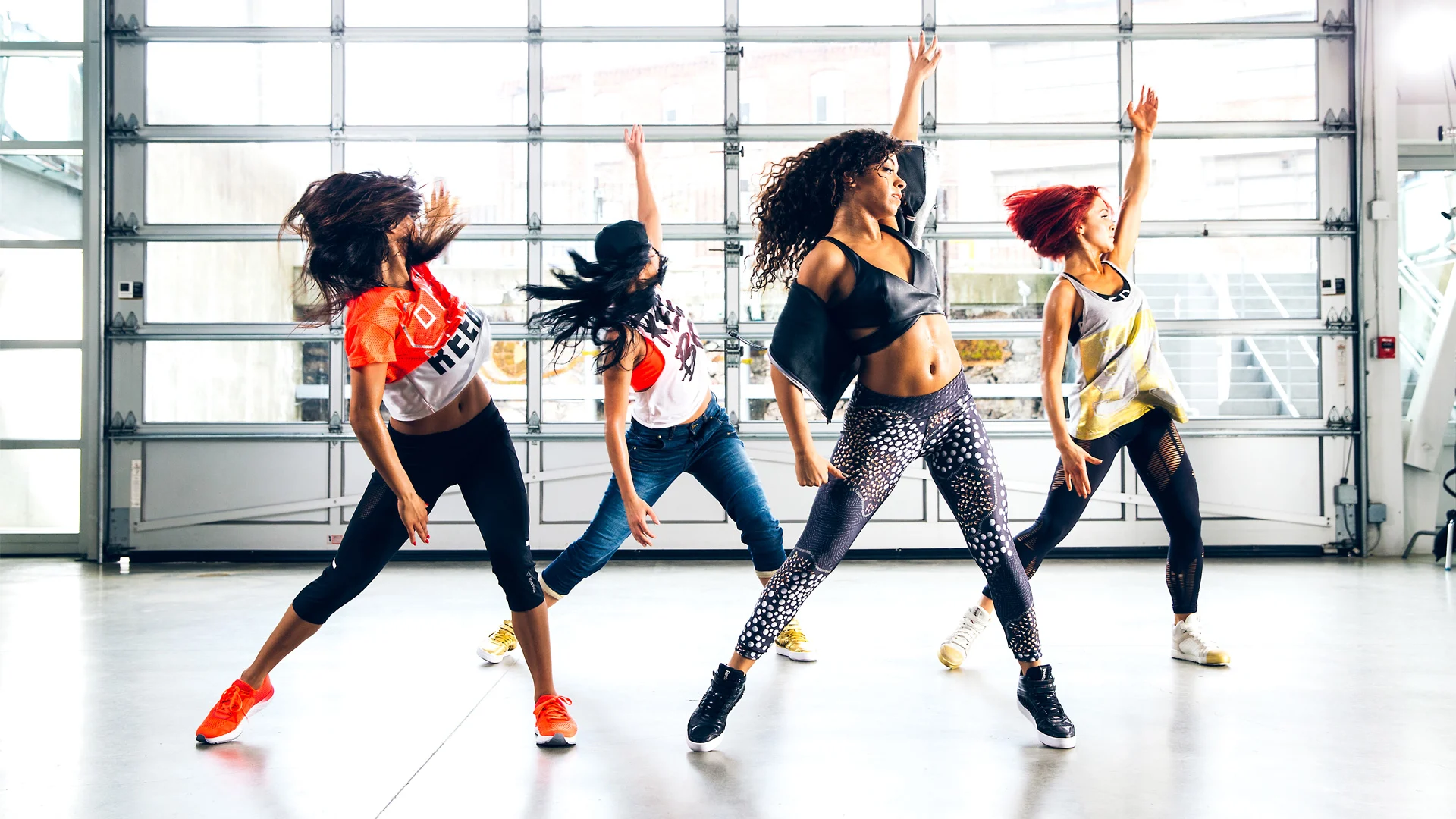
2010: Fitness is more popular and fashionable than ever. Men and women who care about their appearance visit one fitness club or another. Healthy lifestyle trends include a balanced diet, a combination of strength and cardio workouts, and mixing things up with yoga, Pilates, CrossFit, or another group class. In 2010, another workout everyone was doing was Zumba. With its rhythmic, dance-inspired moves, it won a huge following.
Sport and movement have been part of human history since the very beginning. Whether you work out at a fitness club or choose to run in the park, the most important thing is to stay active for your own health.
Watch the video below for 100 years of fitness history: