

At the gym, accessories play a much more important role than we usually give them credit for. For the most part, they not only help prevent potential injuries, but also increase and improve the effectiveness of your workouts.
What types of fitness accessories are there?
Resistance bands and loops
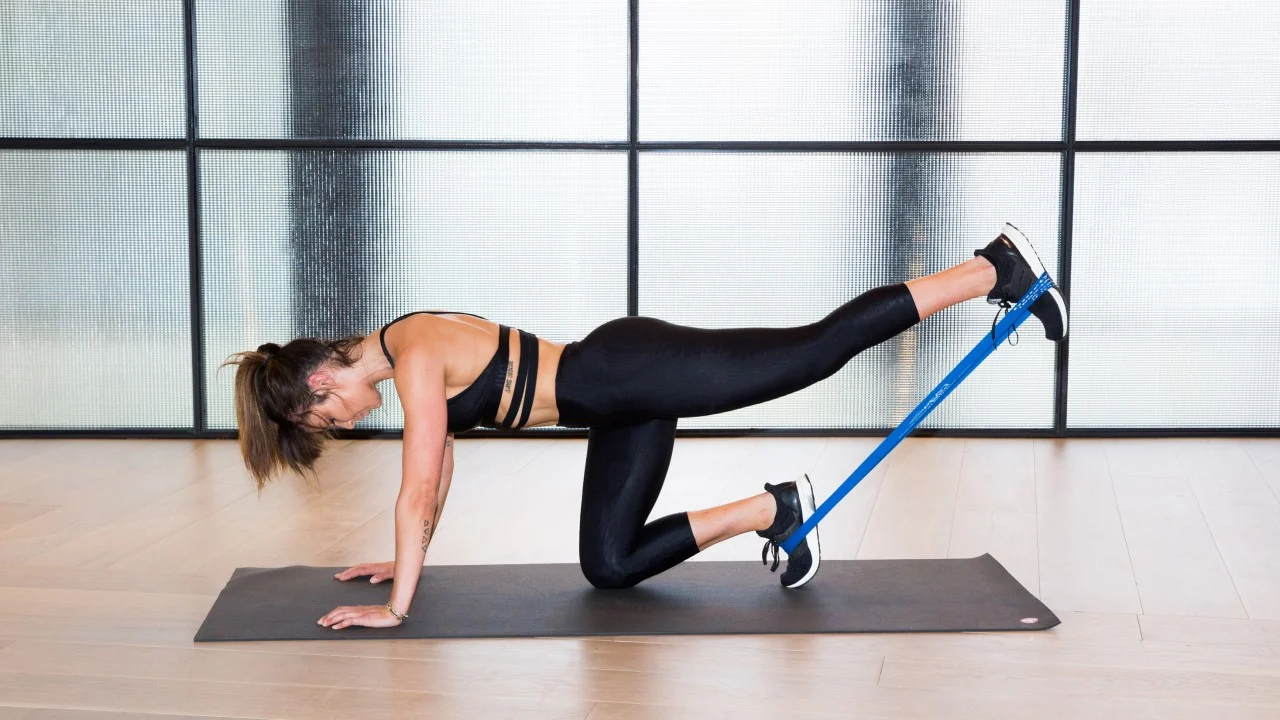
Resistance bands and loops do exactly what their name suggests: they add extra resistance to every exercise they’re used with. This helps strengthen your muscles, while the added resistance pushes you to train harder. They’re often underestimated, but are actually versatile and can be used for a full-body workout. Bands are generally used more by women, as they can help you shape the perfect bum and sculpt toned thighs. Loops are used in workouts by both men and women, and their resistance version is ideal for home workouts too.
The benefits of using them include:
- Toning and strengthening the body – as resistance bands and loops stretch, they increase muscle tension, causing the muscles to contract more. The further you stretch the band, the greater the resistance and the harder the exercise becomes;
- Exercises with resistance bands and loops are fun and varied. They are mainly used for warm-ups, stretching and strength training;
- They work the whole body;
- They are easy to move and compact– lightweight and convenient, they save plenty of space and are affordable for everyone, costing around 10 to 35 leva;
- Suitable for everyone who works out – from beginners to advanced athletes;
- They minimize the risk of injuries and strains;
- They have physiotherapy benefits– ideal for therapy programs and mobility exercises after injuries, surgery, and more
Gloves
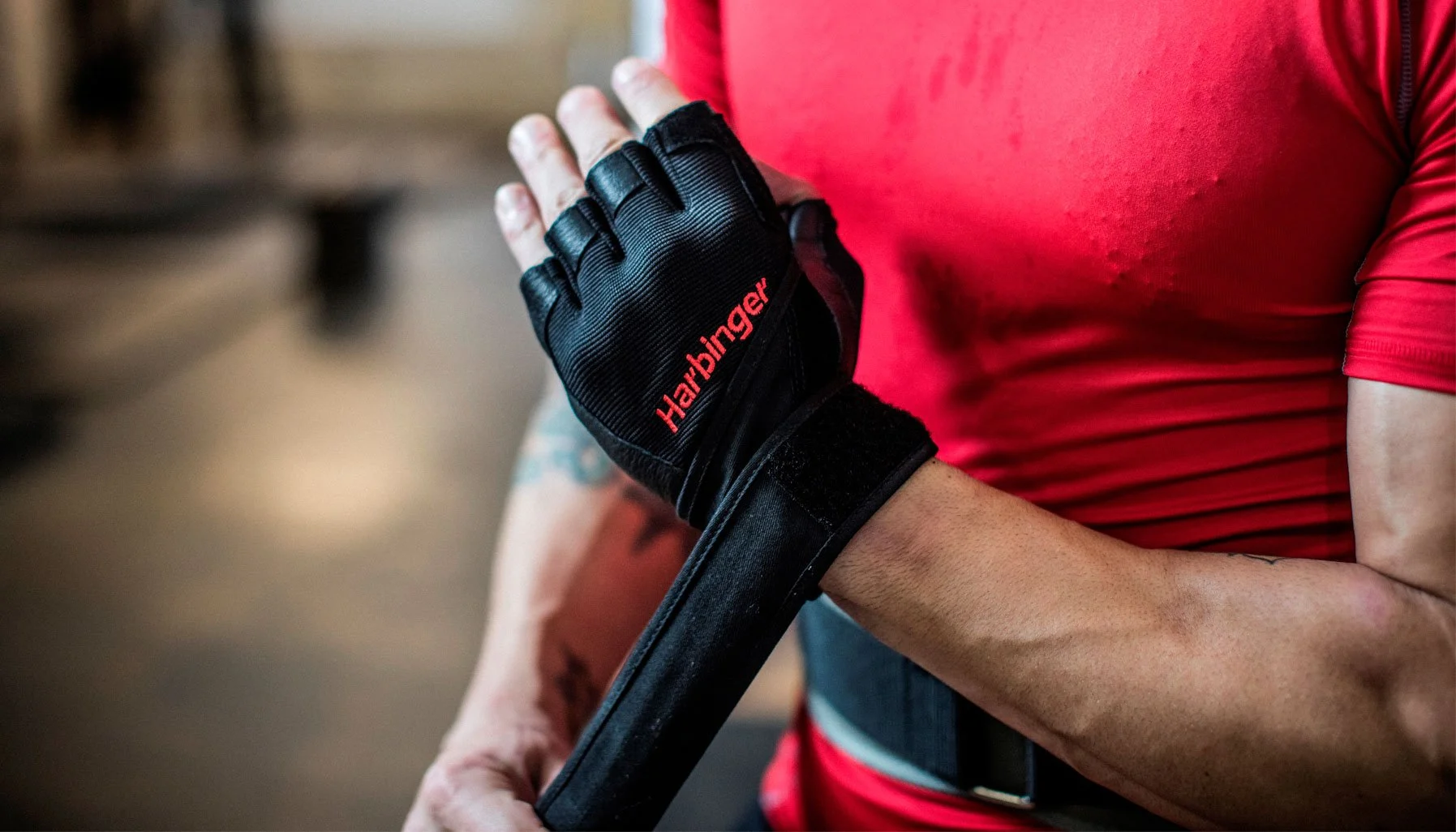
Gloves are perhaps the most essential accessory every person who works out should own. Strength training usually forms a major part of any fitness routine, and this involves using a range of equipment that requires pulling, pushing, and lifting – all movements that involve gripping. The same applies to some cardio exercises, such as using an elliptical trainer.
Most of this equipment and these exercises can injure your hands even with limited use, causing calluses, blisters, or chafing, so sports gloves are highly recommended. For maximum hand protection, wear full-finger gloves, but for shorter, less strenuous workouts, fingerless gloves work well too.
There are three main types of gloves:
- training
- weightlifting
- professional.
The first type is designed to protect your palms from friction against exercise equipment and improve your grip. Weightlifting gloves are made from durable material and have soft gel padding on the inside, which helps distribute the weight more evenly and reduce strain on the palms. Professional models are the most durable. They also have wrist straps for extra support and stabilization to keep your wrists in the correct position during workouts.
The materials used to make them are usually a combination of natural or synthetic leather, nylon, polyester, and synthetic fabric. Other materials used for fitness gloves include textile and neoprene. Textile gloves are lightweight and comfortable, but wear out faster and do not provide reliable enough protection for the palms and wrists. Neoprene gloves depend on their additional components, but if these are good, they can provide good enough comfort and protection during exercise.
ActiveGym women's gloves for example, are made from 50–70% nylon, 20–40% polyester, and 10% spandex (Lycra). Men's gloves are made from 50% synthetic leather, 25% nylon, 14% polyester, and 10% spandex.
The main differences between men's and women's gloves are their design and size. In addition, women's models are not available with wrist support or rigid padding, since women generally do not lift very heavy weights.
Benefits of using gloves at the gym:
- They absorb sweat and protect your hands from developing calluses;
- They also serve a hygienic purpose by protecting you from direct contact with equipment, which is used by dozens of visitors every day, making it very easy for various disease-causing organisms to spread. However, the gloves themselves should also be washed regularly to prevent bacterial or fungal infections;
- Thanks to their anti-slip surface, they provide a better grip on the smooth surfaces of the equipment, improving the effectiveness of your exercises;
- They prevent overstraining of the hands
Bars
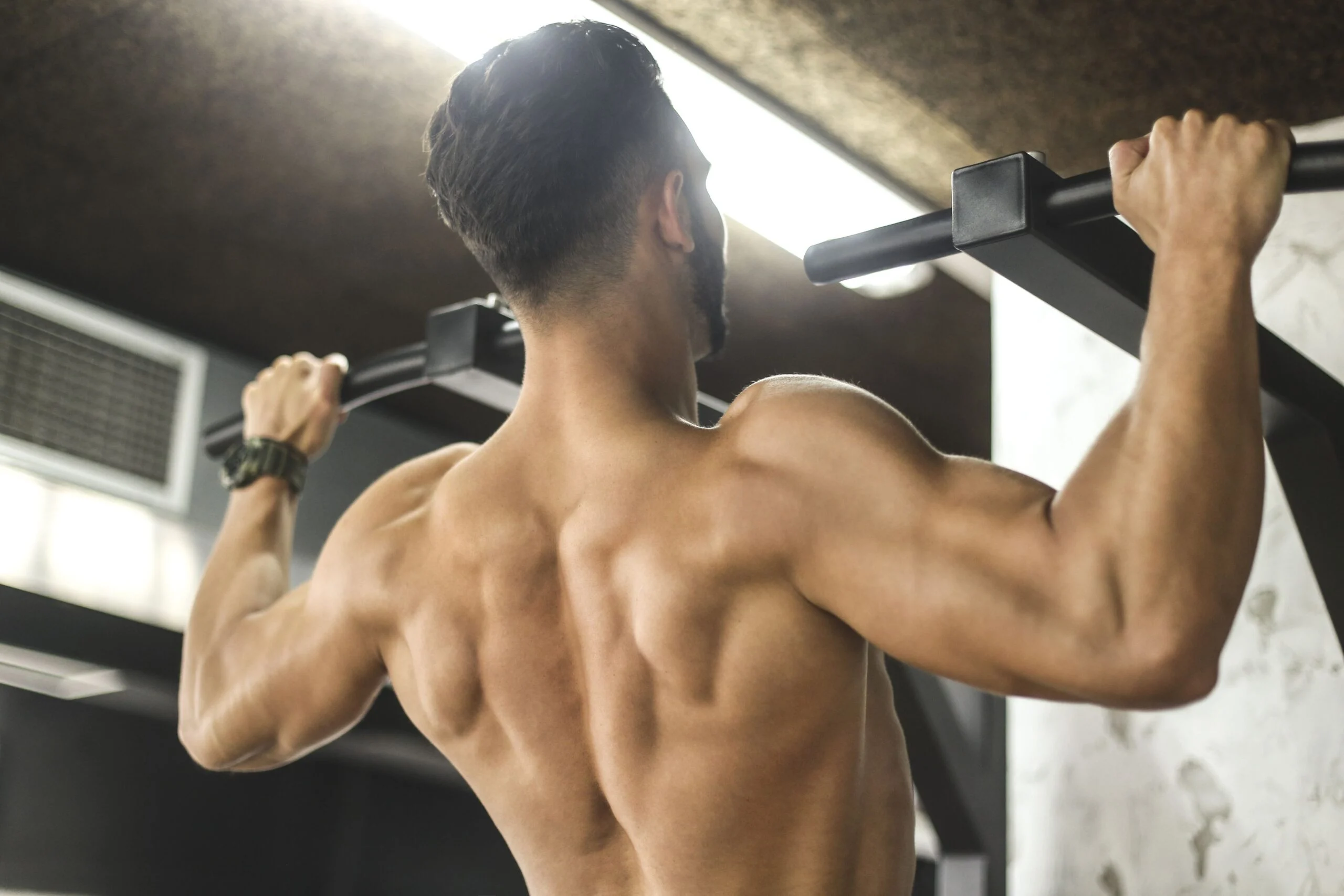
Bars are another fitness accessory that can be used for a great workout—not just at the gym, but at home or in the park, too. Many bars in different shapes can be found in stores, each designed for targeting specific muscles.
Types of bars:
- EZ curl cable bar – Exercises with an EZ curl bar work the shoulder muscles, biceps, and triceps most. Although the bar is attached to a machine, the exercises themselves are called “free-hand” exercises and are more effective than those performed on a machine.
- V-shaped cable bar– Designed to train the biceps and triceps. Biceps exercises are performed by bending the elbows from a standing, seated, or lying position, while triceps exercises involve extending the arms from a standing position.
- Short straight cable bar– One of the most popular and commonly used bars. It can be used for various exercises for the biceps, triceps, back muscles, and more. It is most often used for extensions, rows, and other exercises;
- Lat pulldown bar – A large bar that curves slightly at both ends. It is designed to strengthen the back muscles, rear deltoids, and biceps. It can be used for exercises with both wide and narrow grips. The most common exercise performed with a lat pulldown bar is the deadlift;
- Multifunctional U-shaped cable bar– Depending on the grip, it can be used for various exercises, from rowing and different types of pulls to a range of triceps exercises.
- Fitness bar– Although this is the lightest bar (weighing between 2 and 5 kg), exercises with it help strengthen the abdominal muscles, thighs, back, and lower back. It provides a lighter workout but still strengthens the muscles being worked. It can be used to warm up before a heavier strength workout, as well as for cardio. It is also used for rehabilitation after injuries. It helps keep the spine straight and increases mobility in the shoulder joints.
- Olympic bars– They come in different weights and shapes. One of the more unusual types is designed to train the trapezius and chest muscles. Other types are also available, but the traditional design is straight. Olympic bars have a comfortable grip and help build the abs. They help shape the back muscles, biceps, and triceps. Exercises are performed mainly on a bench in different positions (horizontal or inclined at a certain angle), on strength-training machines, or with free weights;
Exercise stands
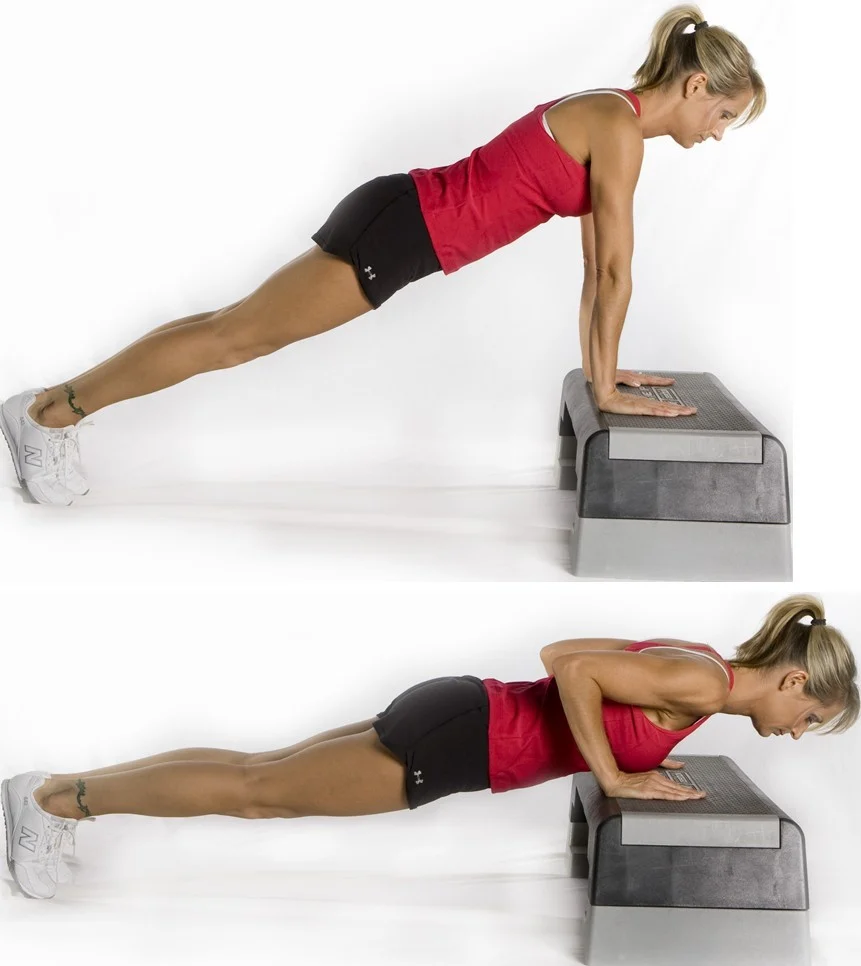
Exercise and dip stands are a multifunctional metal apparatus, ideal for bodyweight training. This type of training is well known for working several muscle groups at once, stimulating much greater muscle growth and developing stabilizing muscles, which often remain inactive when training on machines. They also increase overall strength and burn far more energy, which is a plus when your goal is to burn fat. They also improve functionality, since the movements are more natural for the body compared with other types of exercise.
Some of the most common exercises performed on the stands are dips, inverted rows and push-ups. Combining bodyweight strength training with fitness equipment that provides additional resistance is agreat way for beginners to build a solid foundationbefore moving on more actively to free weights, particularly for men.
Ropes
Increasing strength, improving coordination, balance, agility, endurance, flexibility and circulation, and strengthening the cardiovascular and respiratory systems are just some of the benefits of including jump rope in your workouts. It’s a great way to warm up and train the whole body, and it’s also an alternative to running, which takes longer and is usually more boring and tiring. Different types of jumps work different parts of the body: high-knee jumps, for example, work the thighs, while double jumps tone the arms and calves.
It’s recommended to use basic jump ropes between strength exercises, especially when those exercises are performed sitting down. This keeps your heart rate up and calorie burning going, while also helping you build muscle mass.
There are also jump ropes with ball bearings, used for some of the most energy-intensive workouts, which burn between 1,000 and 1,200 kcal per hour. They tone many muscles, including those in the arms, legs, glutes, shoulders, abdomen and back. They are especially effective for weight loss in the lower body.
Next are battle ropes. Training with them are a system of specific movements that engage the muscles of the entire body. They develop the shoulder girdle and coordination, improve grip strength and boost fitness. Just 10 minutes of battle rope exercises can match the effects of the most intense workout.
Clothing
When choosing the right fitness clothing, fabric is a key consideration. It’s best to choose dry-fit, which allows the skin to breathe and sweat to evaporate easily. With this technology, fabrics contain synthetic, non-absorbent fibers, which allow moisture to travel along the surface of the fiber. Since it cannot be absorbed, it spreads across the inside of the garment and is “wicked” outward, where it evaporates naturally.
100% cotton clothing is softer and may seem more comfortable, but it’s not suitable for strenuous workouts because cotton absorbs all the sweat and doesn’t dry easily. This can lead to skin rashes or irritation, or make you feel cold. Cotton clothing is, however, a good choice for lighter workouts such as yoga, Pilates, and more.