

“What should I eat to lose weight?” is a question asked by a huge percentage of people who work out. What nutrients should we consume to shed excess pounds? Is there a specific diet, that can help us achieve our dream physique? How can we maintain good fitness? Prof. Valentin Panayotov answers these questions. He is Head of the Department of “Weightlifting and Sport for All” at the Vasil Levski National Sports Academy, and Head of the “Fitness” and “Bodybuilding” programs.
There is hardly a greater authority on this subject than Prof. Panayotov. He is the author of books, textbooks and scientific publications on bodybuilding, fitness and a healthy lifestyle. In 1989, Prof. Panayotov founded one of the first bodybuilding gyms in Bulgaria, at Georgi Asparuhov Stadium. He was also one of the founders of the Bulgarian Bodybuilding Federation in 1990.
Prof. Panayotov, what is the secret to eating well and losing unwanted pounds? Is there a straightforward answer to the question, “What should I eat?”
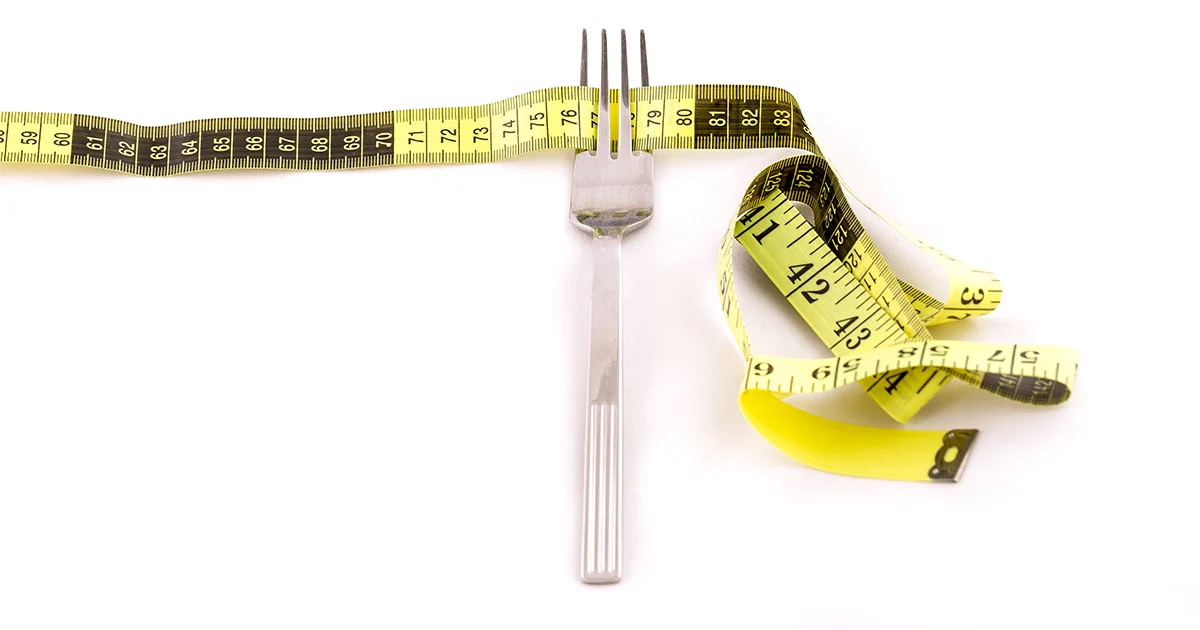
Regardless of which diet we choose to lose weight, we need to be in a calorie deficit. In other words, we must burn more calories than we consume. Most people don’t distinguish between the sources of weight loss. With calorie-deficit diets, the composition of the weight lost is usually equivalent to the body’s current composition. This means that muscle mass is lost along with fat tissue. This happens when calorie intake is cut aggressively in an attempt to achieve quick results.
What nutrients should people who want to lose weightavoid? Are there universal recommendations or rules they should follow?
No foods are absolutely forbidden on a low-calorie diet, but some need to be limited. When creating a meal plan, the energy balance is determined first. Then the calorie restriction is set—usually 300–700 kcal per day. Standard nutrient intake falls within these ranges: protein—2.0–2.2 g/kg; fat—20–30% of total calorie intake; the remaining calories come from carbohydrates (mainly complex carbohydrates). It is important to note that when carbohydrate intake falls below 600–700 kcal per day (around 150–180 g), secretion of a very powerful anabolic hormone—insulin-like growth factor 1—drops significantly.
Avoid so-called “junk food”—foods that are high in energy but low in nutritional value (lots of calories packed into a small volume—calorie bombs). Foods to limit include fried foods, dishes with lots of sauce, confectionery, carbonated drinks and large quantities of natural fruit juice, among others. Excessive consumption of some of these foods can make you feel full, but only for a short time. As a result, hunger intensifies, and suppressing it makes it difficult to stick to the diet. Fasting during such diets can lead to so-called “hunger obesity”—the rapid accumulation of fat tissue after the diet ends.
According to a meta-regression analysis we conducted on the available scientific literature, the most effective approaches for reducing body weight while improving body composition (reducing adipose tissue while increasing or maintaining muscle mass) in people with overweight or obesity appear to be interventions with the following characteristics:
· Diet type: Low-carb and high-protein
· Calorie restriction: 300–700 kcal
· Type of physical activity: Combined – aerobic and strength training
· Exercise characteristics: Moderate volume (60–75 min. per workout) and intensity (aerobic exercise at around 120–150 bpm; strength training with weights up to around 75–80% of maximum capacity)
· Training frequency: 2–4 times per week (the optimal option is 3 times per week).
Does it sound as if science has proven that nutrition and fitness need to go hand in hand if we want to get in optimal shape?
To avoid losing muscle mass, strength and interval training are recommended. Workouts focused on increasing strength are recommended for maintaining muscle mass and, if desired, increasing it. Interval strength training, in turn, stimulates fat breakdown. We consider strength training more suitable for men and interval training for women, but this recommendation should by no means be taken as an absolute truth—the specific type of activity is a matter of preference and personal choice.
Of course, many people don’t like strength or interval strength training. That doesn’t mean they should give up physical activity. Activities such as running, swimming and cycling are mistakenly considered purely aerobic.
Once we’ve achieved the result we want, how can we maintain it?
After successfully losing weight, many people either increase their calorie intake or keep it at pre-diet levels. A calorie surplus causes weight gain. After some time, a person may end up with more excess weight than before the diet. This creates a vicious cycle of dieting and stopping, which can ultimately lead to a situation where a person consumes very little food and yet their body weight not only fails to decrease, but increases.
Successful weight maintenance is possible as long as we engage in some form of physical activity. Maintaining results through dieting alone is difficult. Calorie-restricted diets increase the desire to eat, while the opposite is observed in people who exercise regularly.

How would you sum up the topic: “What should I eat to lose weight?”
To lose unwanted weight, we need to be in a calorie deficit. Regular participation in some form of sport is absolutely essential for maintaining the results of a diet and preventing excess weight from returning.
In fact, at higher intensity, even though fat oxidation accounts for a smaller share of the energy mix, the net amount of fat broken down per unit of time increases. Therefore, at higher heart rates (between 150 and 180 bpm), more fat is “burned” overall. If we also factor in the repayment of the so-called “oxygen debt,” which occurs mainly through lipid oxidation, the net calorie loss is significantly higher than with purely aerobic exercise.