

When winter arrives, many people lose the motivation to work out. The most common excuses are that it’s too cold, too early, or takes too much effort. But this is the ideal time to prepare your body to gain muscle mass. During winter, metabolism slows down as temperatures drop and the human pulse decreases by a few beats. As a result, gaining weight, strength, and muscle size becomes much easier and more effective.
How can you achieve good results?
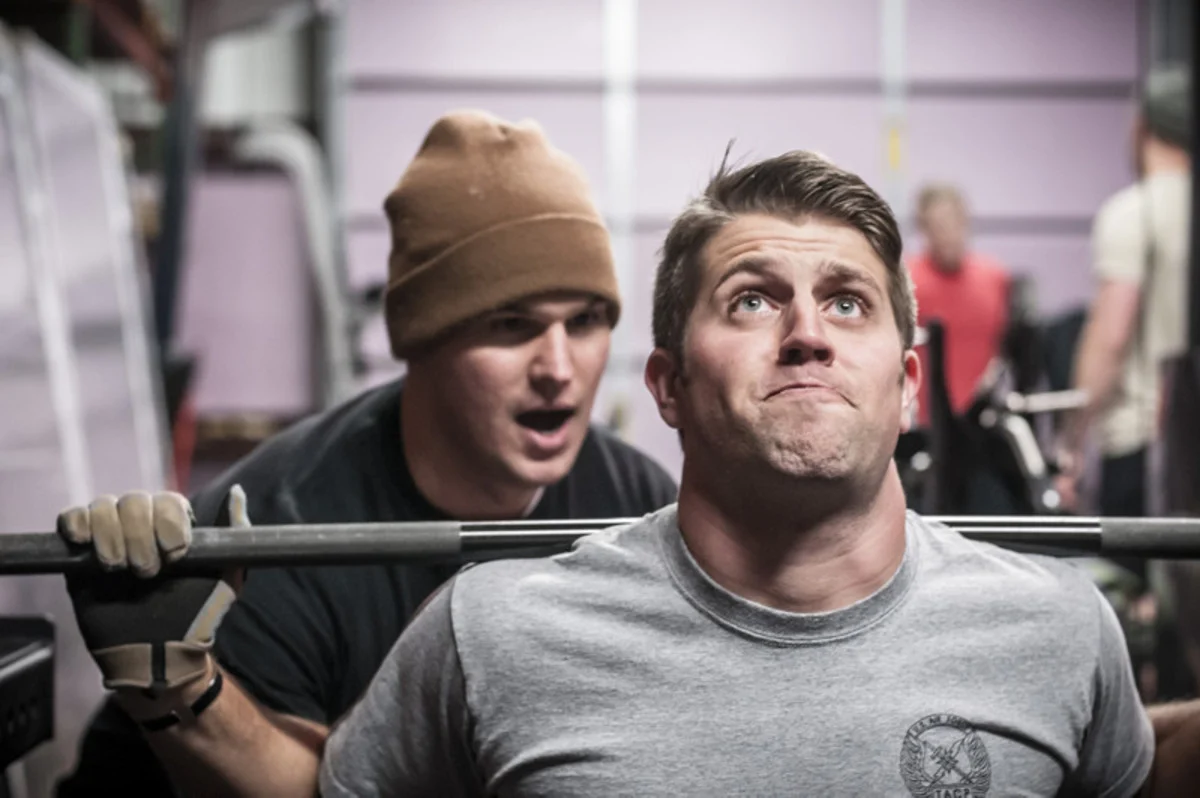
The main factors for achieving good results are choosing the right workout program, following a good diet, and allowing enough time for recovery and rest. Experts recommend the following steps to prepare your body to build muscle in winter.
Read more: How to beat the winter blues?
Getting ready to build muscle
If you’ve been to the gym recently, it’s a good idea to take three days off before starting your new routine. Muscle-building workouts are intense and put a lot of strain on your muscles, so it’s important to start “fresh”—that is, well-rested. Give your muscles and central nervous system a complete rest. If you haven’t worked out in a while, you can use this time for light cardio to help your body get used to vigorous movement again.
Workout program for building muscle

Once the three days are up, it’s time to start your muscle-building workouts. Circuit training is best for fitness beginners. It works the whole body and greatly reduces the risk of severe muscle soreness afterward.
Read more: Circuit training – what is it and what is it good for?
During the first week, aim for three workouts featuring basic exercises such as squats, bench press, incline bench press, deadlifts, pull-ups, barbell rows, barbell shoulder presses, dips, and barbell curls. Be sure to take a rest day between workouts. Do three sets of 8–10 reps with moderately heavy weights. After the first week, reduce the reps to 5–8 and increase the weights. This boosts muscle growth through exercises that train all the muscle groups in your body. During this period, also start a diet that provides the nutrients needed to build new muscle mass.
For advanced trainees, the most effective program is a training split, which targets 1–2 muscle groups per day over the course of a week.
Here is an example of a training split:
Day 1 – chest, abs
Day 2 – back
Day 3 – legs
Day 4 – shoulders, traps, abs
Day 5 – arms
Day 6 – rest
Day 7 – rest

Read more: How do Pulse Fitness instructors train?
Here’s a sample 5-day workout plan:
Day 1
- Barbell bench press (chest) – 3 sets of 8 reps
- Incline barbell press (chest) – 3 sets of 8 reps
- Incline dumbbell press (chest) – 3 sets of 8 reps
- Hanging leg raises (abs) – 3 sets to failure
- Crunches (abs) – 3 sets to failure
Read more: TOP 5 exercises for men’s chest
Day 2
- Barbell row (back) – 3 sets of 8 reps
- Deadlift (back) – 3 sets of 8 reps
- Pull-ups (back) – 3 sets of 10 reps
- Seated cable row (back) – 3 sets of 8 reps
Read more: TOP 5 exercises for back
Day 3
- Barbell squat (thighs) – 3 sets of 10 reps
- Barbell lunges (thighs) – 3 sets of 10 reps
- Leg curl (thighs) – 3 sets of 10 reps
- Leg extension (thighs) – 3 sets of 10 reps
- Calf raises on the calf machine (calves) – 4 sets of 12–15 reps
Read more: TOP 5 exercises for thighs
Day 4
- Barbell shoulder press in front (shoulders) – 3 sets of 8 reps
- Dumbbell lateral raises (shoulders) – 3 sets of 8 reps
- Bent-over dumbbell lateral raises (rear delts) – 3 sets of 8 reps
- Barbell shrugs (traps) – 4 sets of 8 reps
- Hanging leg raises (abs) – 3 sets to failure
- Crunches (abs) – 3 sets to failure
Read more: TOP 5 Ab Exercises
Day 5
- Standing barbell biceps curl (biceps) – 3 sets of 8 reps
- Standing dumbbell biceps curl (biceps) – 3 sets of 8 reps
- Close-grip barbell bench press (triceps) – 3 sets of 8 reps
- French press (triceps) – 3 sets of 8 reps
- Cable triceps pushdown (triceps) – 3 sets of 8 reps
Read more:
Always warm up before training. Rest for around 2 minutes between sets and around 3 minutes between exercises. Ideally, increase the weight with each successive set.
However, the safest and best results come from following a program designed with a fitness instructor.
What diet should we follow?

To support muscle growth, the body needs protein, carbohydrates, and fats. Protein boosts metabolism, while fats and carbohydrates, consumed at the right time, provide enough energy for the next workout.
The main sources of protein for the body include beef, salmon, eggs, peas, beans, chickpeas, lentils, broccoli, and more. The amount of protein needed per day depends on several factors: weight, height, sex, and daily activity level. It has been proven that people who have been weight training for years need less protein than those just starting out, since they are already accustomed to high-protein diets.
Read more: Protein: What Do We Need to Know About It?
Low-glycemic-index carbohydrates (the rate at which carbohydrates are absorbed) are recommended for a sustained release of energy—white rice, fresh potatoes, oats, whole-grain bread, and apples. Higher-glycemic carbohydrates such as sweet potatoes, wild rice, and carrots help you recover faster after an intense workout and are best consumed in the evening, when the body processes them more efficiently.
Fat intake is also especially important during the winter season. Foods rich in fat include olive oil, carp, raw nuts, seeds, avocado, and more. Supplements such as protein, glutamine, and creatine can also be added to your diet for rapid muscle growth. They boost strength and promote rapid muscle growth.