

People today pay attention to what they eat and increasingly care about knowing where their food comes from. Eating is no longer just a basic physiological process for survival; it has become a culture and a way to demonstrate your outlook on life. Whether because it’s fashionable or simply because modern life calls for it, many people choose to avoid meat (vegetarians) or all products of animal origin (vegans).

If you’ve eliminated meat from your diet but want to build muscle and shape your body, you can still achieve your goals. The most common belief is that meat and its protein build and define muscles. This is absolutely true. To maintain and build muscle mass, you need to consume at least 2 grams of protein per kilogram of body weight. For example, if you weigh 80 kg, you should consume around 160–180 grams of protein a day to build muscle.
Read more: Protein: What should we know about it?
But don’t let this worry you. Fortunately, there are protein-rich foods for vegetarians (and vegans) that can replace meat, help you eat well, and provide your body with all the nutrients it needs to function properly.
How to Eat
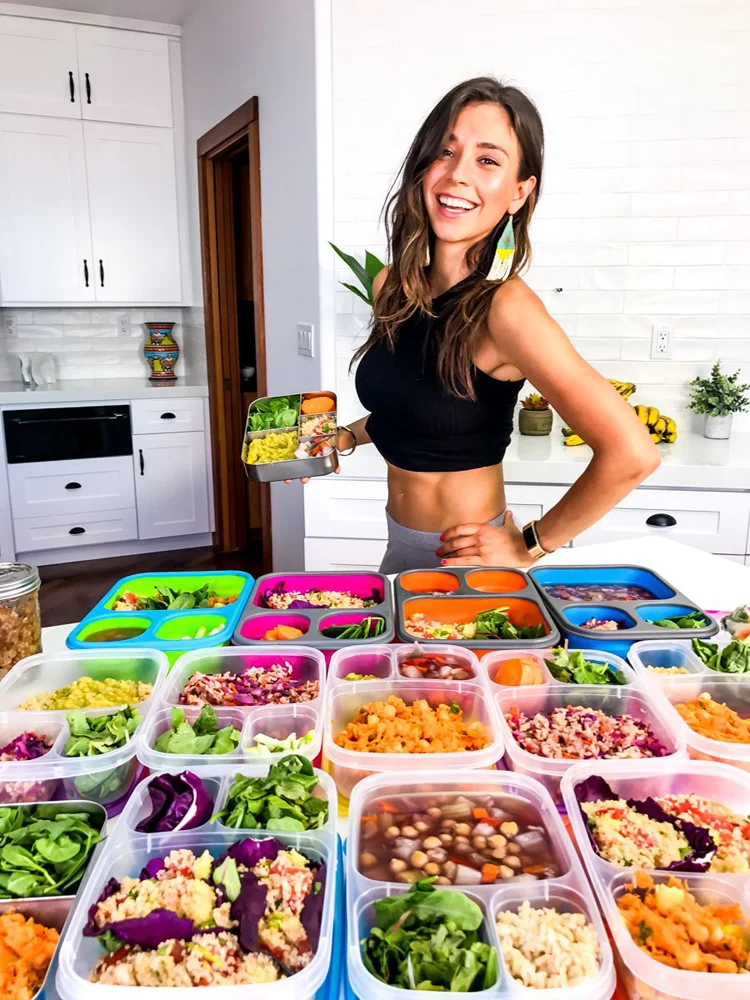
If you’ve been a vegetarian for many years, you’ve probably encountered one of the common challenges faced by this group: a lack of, or deficiency in, certain micronutrients. These include iron, calcium, zinc and vitamin B12. The good news is that you can get them from food.
Iron is found in a range of vegetables, including spinach, peas, beans and lentils. Dried fruit is also a good source of iron.
Read more: Iron: How and why is it important for people who train?
Spinach, cabbage, pumpkin seeds, broccoli, sesame seeds, walnuts and almonds can help you get the amount of zinc you need to build muscle mass.
Calcium is the main mineral that keeps bones and teeth strong. On average, a person needs around 1,000 mg of calcium a day, which is easiest to get from dairy products (for example, 600–700 ml of fresh milk), tofu or figs.
Vitamin B12 is very important for brain and nervous system health. If you don't eat meat but do eat fish products, you can get B12 from sardines, mussels and tuna.
Read more: Vitamins: What are their benefits and how can we get them?
Another good way for vegetarian athletes to build and stick to a balanced meal plan is to include fruits and vegetables without making them the main focus. We recommend getting most of your daily calories from other food groups—protein, fats and carbohydrates—especially if your ultimate goal is a toned body. Eggs are a great source of protein, as are legumes. Vegetarians can get the fats they need from walnuts, almonds and avocado.
Carbohydrates are quite easy for vegetarians to add to their diet, since they include potatoes, brown rice, whole-grain pasta and more.
Read more: Carbohydrates: What should we know about them?
Which supplements should you take?
Athletes often turn to dietary supplements to help build muscle mass. The most common is whey protein powder, which can easily replace a meal. If you avoid whey protein powder for any reason, you can replace it with egg white protein. Vegans also have an alternative—soy protein. It can provide the required amount for those who prefer it to the other options.

There are other options, too—pea and hemp seed protein. Pea protein is high in protein, contains almost no cholesterol, and is easy to digest and break down. Hemp seed protein is rich in Omega-3 fatty acids and also provides the body with additional magnesium and iron.
Read more: Omega-3: What is it and how does it affect our bodies?
As mentioned above, if you're vegetarian, you may be lacking some essential minerals. The food you eat can replace many of the missing nutrients, but if the deficiency is more significant, we recommend taking additional iron, zinc and B12 as dietary supplements. This will ensure your body gets everything it needs and your muscles are supplied with essential micronutrients. Of course, consult a doctor first to find out whether you need a higher dose of iron or potassium in tablet form instead of a bowl of spinach or a glass of milk.
Read more: Dietary supplements and fitness: Which are right for beginners and advanced athletes?
Training and vegetarianism
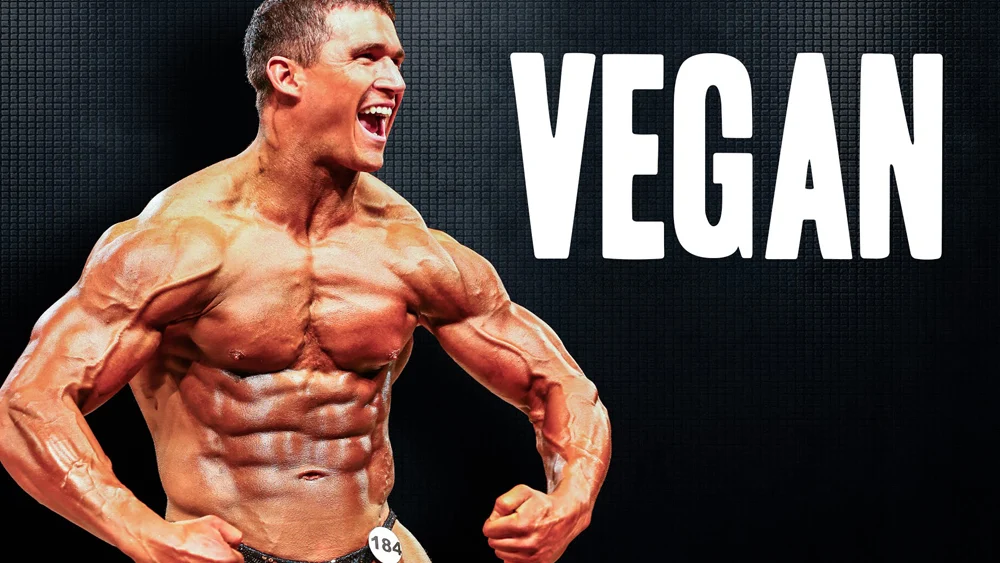
Not eating meat shouldn't stop you from going to the gym or joining group workouts. To achieve your dream body, you need a balanced routine and training tailored to your fitness level. Whether you're vegetarian or not doesn't determine how you should train at the gym. If you have the energy and strength you need, you can do the same workout as someone who eats meat four times a day.
Still, we recommend choosing a short but intense training routine that you've discussed in advance with a professional instructor, especially if you're a beginner. If your workout is shorter, your body's available protein won't be completely used up in providing the energy needed to do the exercises. This will also help prevent muscle loss. You can certainly do strength exercises, but it's best to do fewer sets and reps so you have enough energy to finish your workout.