

Iron is essential for good health and fitness. The human body needs a specific amount of iron to function properly. Iron is a mineral that helps the body transport oxygen through the blood and muscles, produce red blood cells, and release energy from cells. It is vital to our health because it also plays a role in DNA synthesis, cellular respiration, and maintaining the immune system. Since the body contains only small amounts of iron, we need to get it from food, especially through a balanced and varied diet.
The recommended daily iron intake for adult men is 8 milligrams, and for women, 18 milligrams. The difference is due to the physiological differences between the sexes. Women need more because of their menstrual cycle. Fortunately, you can get the iron you need from food by focusing on a healthy, well-planned diet. Not getting enough iron can lead to iron-deficiency anemia. The most common symptoms include fatigue, paleness, difficulty concentrating, hair loss, and brittle nails. If you think you may be iron deficient, it’s important to consult your doctor, who can arrange the necessary tests.
Read more: What should we know about testosterone?
Training
Jokingly, you could say that to be truly “ironclad,” your body needs a certain level of iron. This is especially important for people who train, as high-intensity workouts increase the number of red blood cells, meaning you need iron to produce them. Simply put, if your body is low on iron, it won’t be able to make up the shortfall and produce the red blood cells it needs, because training causes you to lose a significant amount of this mineral. During any high-intensity workout, whether cardio or strength training, much of the iron is “sweated out,” so it’s important to maintain your levels with a proper diet.
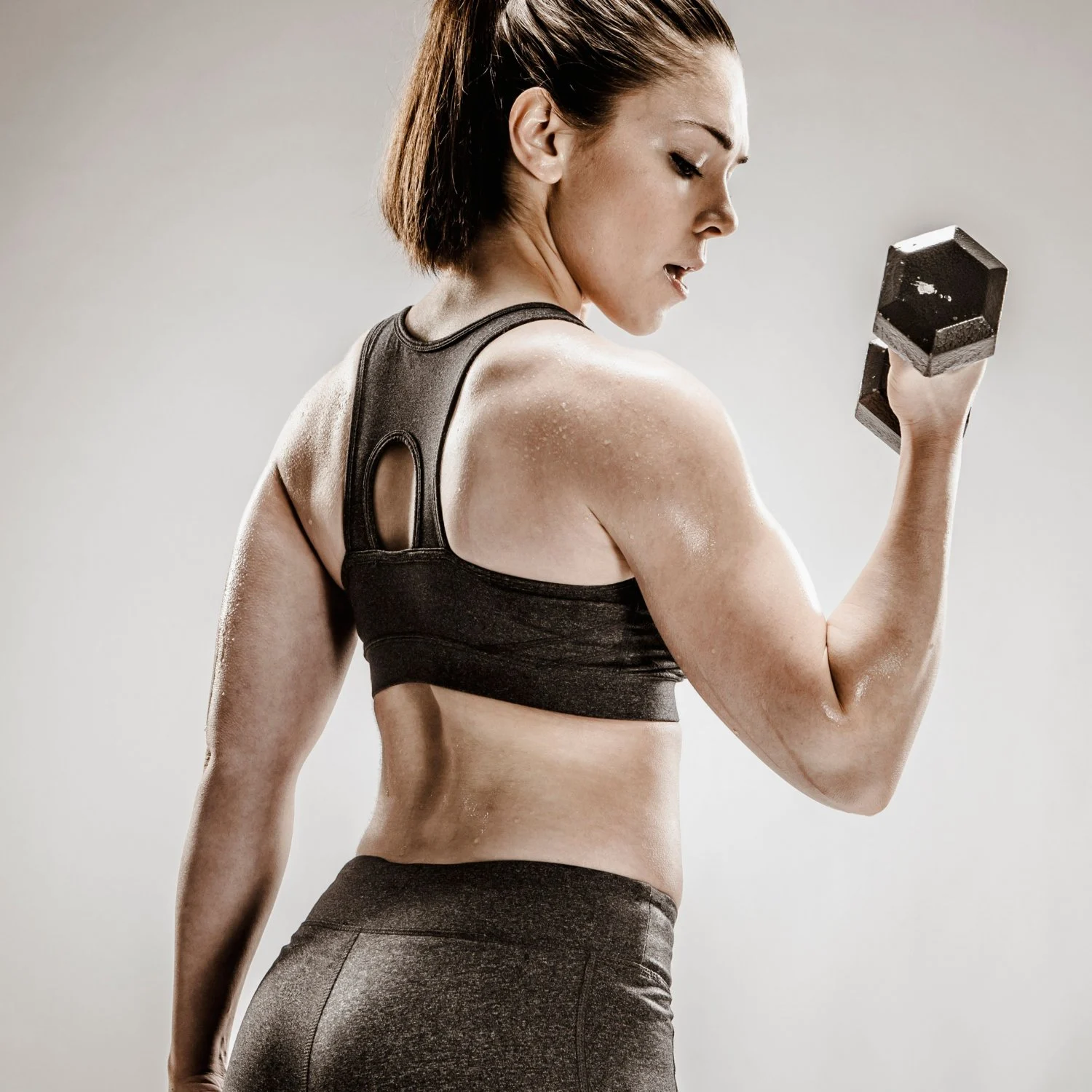
We recommend consulting a personal trainer before starting your fitness training—and this is essential if you have anemia or low iron levels. Your instructor will take your health into account when designing your workout plan, choosing exercises that won’t “drain” your body of this mineral while still being effective and delivering results. This way, you can work out appropriately and as effectively as possible without compromising your health. Exercises with weights are among those you can do when your iron levels are low. As surprising as it may sound, strength training is extremely beneficial: it boosts your energy levels and leaves you feeling energized. You also sweat less than you would during cardio workouts.
Read more: Omega-3: What is it and how does it affect our bodies?
Women who train should pay particular attention to their blood iron levels, as they physiologically need more, making them more susceptible to iron-deficiency anemia. At a good fitness club, you can consult a specialist about your diet as well as your training program. A nutritionist can help you create a healthy meal plan that provides some of the iron you need.
Nutrition and Supplements
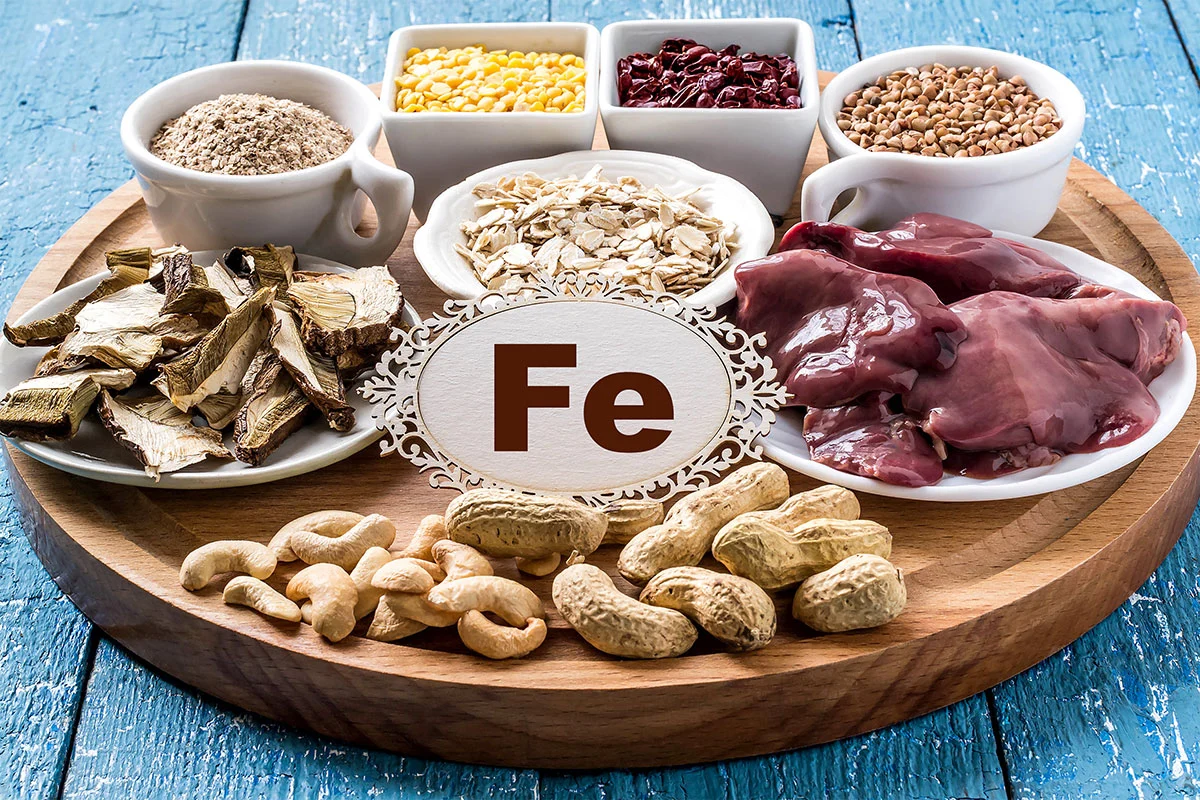
A healthy diet is essential for maintaining good iron levels in the body. Iron can be obtained from red meat (around 8 milligrams per 225 grams of meat), mussels (24 milligrams per 85 grams), and oysters (10 milligrams per 85 grams). Other sources include liver, flour, grains, potatoes, and leafy green vegetables. These foods provide adequate amounts, but it’s important to know that iron in meat is absorbed and used by the body more easily than iron in plants.
Read more: Vitamins: What are their benefits and how can we get them?
This is why vegans, vegetarians, and people who eat limited amounts of meat are at risk of iron deficiency. We strongly recommend that they consult dietary supplements, if they have decided to work out at the gym, because this is extremely important for their health. In cases of low iron intake or confirmed chronically low levels in the body, it is important to replenish this mineral intentionally and in the right amounts. These supplements will provide the daily amounts you need and normalize the body's absorption of the mineral. When taking iron supplements, it is recommended that you avoid coffee, fresh milk, and white bread, as these foods inhibit its absorption into the bloodstream, meaning you will not experience much benefit. Women should avoid taking iron supplements during their menstrual period, as this increases bleeding.
On the other hand, there is the issue of elevated iron levels in the blood. This is a less common problem, but the gradual buildup of iron in the liver, pancreas, and heart muscle leads to irreversible changes in the structure of these organs and serious diseases such as cirrhosis and diabetes. If you notice hyperpigmentation in areas that are not exposed to the sun—under your arms, on your palms, or over scars—these are “traces” of iron accumulated in the tissues. If you suspect an excess of this mineral in your blood, we strongly advise you to consult your doctor or a hematologist. To avoid the serious consequences of elevated iron levels in your body, you can change your diet by limiting meat, sugar, and spices. It is also good practice to drink plenty of black or green tea, as the tannins they contain inhibit iron absorption.
Iron is essential for everyone. It helps our bodies function properly and supplies oxygen to our cells. Don't underestimate it, and keep an eye on your iron levels. Make sure your body gets everything it needs to stay healthy and help you get the most out of your workouts.
Read more: Dietary Supplements and Fitness: Which Ones Are Suitable for Beginners and Advanced Athletes?