

Strength training isn’t particularly popular among women, mainly because they fear gaining a lot of muscle or suffering a possible injury. But these concerns and fears are unnecessary. In fact, lifting weights is not only one of the best and most effective ways to shape a beautiful, feminine body, but also offers women many benefits.
What are the benefits of strength training for women?
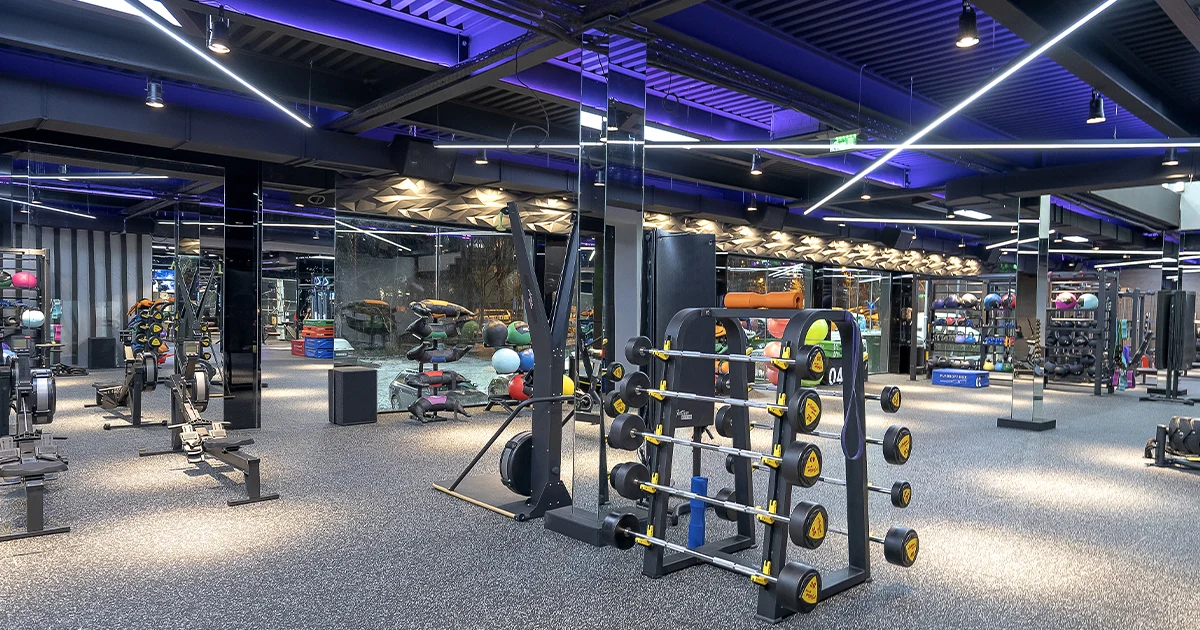
Strength training affects men’s and women’s bodies differently. Men build muscle more easily and quickly, while the benefits for women are less obvious. Here’s what women gain from strength training.
Burns more calories than other types of exercise
Although cardio burns more calories than strength training during the workout itself, studies show that, in the long term, strength training delivers better results over the 24-hour period after a workout. In other words, lifting weights affects your metabolism even after you’ve finished exercising.
Unlike fat, muscle is metabolically active, which means lean muscle mass burns calories even when you’re resting. So, the more lean muscle mass you have, the more calories you’ll burn each day. In addition, compared with cardio, strength training is more effective at reducing intra-abdominal fat (which can contribute to cancer or diabetes).
Improve sleep and reduce stress
Studies show that morning strength training improves sleep quality and increases sleep duration the night after a workout. Exercise has also been shown to help fight stress. For example, a weightlifting session before an interview or a work deadline could boost your confidence and relieve stress.
Reduce the risk of osteoporosis during menopause

As women reach menopause, hormonal changes take place in the body that can increase the risk of osteoporosis. Strength training is one of the most effective ways to help prevent this condition during menopause, as it helps preserve bone density and improves muscle mass, strength and balance.
Read more: Can I go to the gym if I’m pregnant?
Reduce the risk of injury and build strength
Along with the many health benefits of exercise, strength training helps maintain a healthy body by strengthening joints and reducing the risk of injury. Research has shown that strengthening the back muscles significantly reduces back pain—a common complaint among women. Building muscle also makes the body physically stronger, making everyday tasks such as carrying, pushing or pulling much easier.
Improve balance and posture
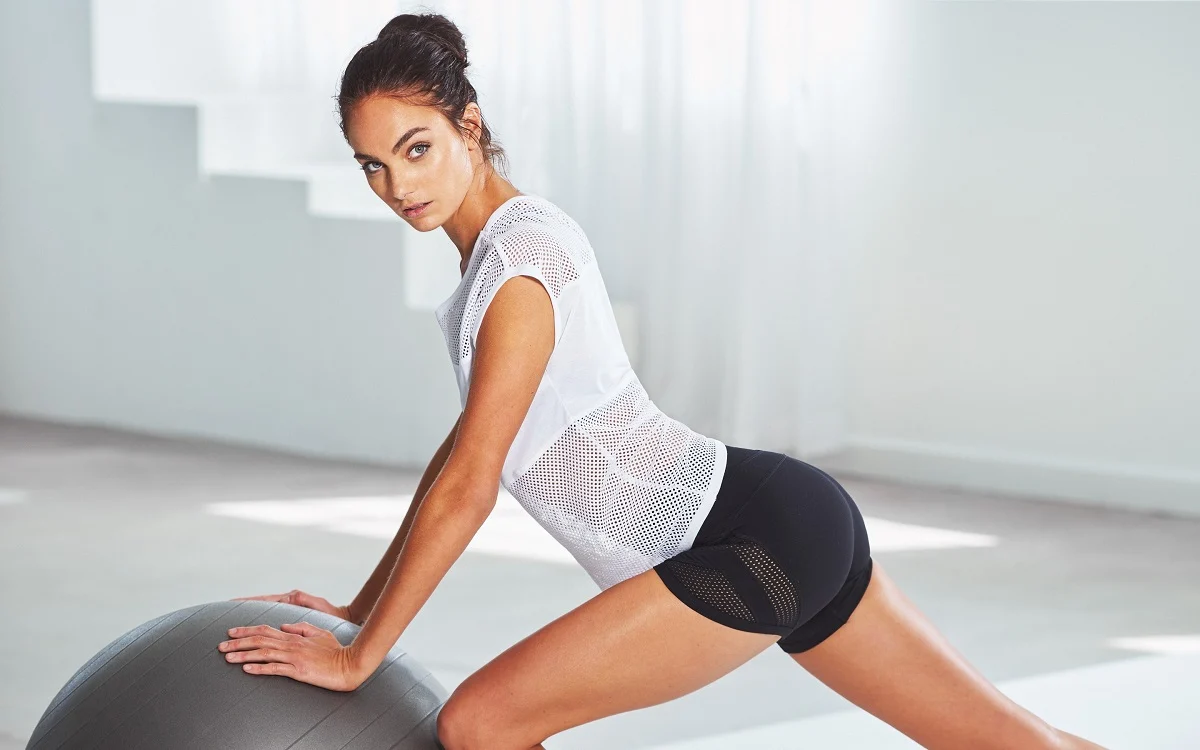
When we work out, we often focus on shaping the major muscle groups that produce visible results—like sculpted biceps or abs. One benefit of strength training is that it also develops the small stabilizing muscles that keep us upright and support our balance and posture.
Read more: Top 5 Exercises for Balance and Coordination
Improve heart function
Strength training improves cardiovascular health by lowering blood pressure, blood sugar and bad cholesterol—factors that can lead to cardiovascular disease and type 2 diabetes. Physical activity strengthens the heart and improves metabolism.
Are strength workouts different for men and women?
Studies show that men and women do not need to train differently. However, there are some differences in the exercises they do, which are due more to their goals than to any risk of women developing a masculine physique. There is no such risk, because testosterone (a hormone) plays a major role in building muscle, and women have significantly lower levels of it. Men aim to sculpt a highly defined, masculine physique, while women focus on losing weight and toning up.
What is the right diet?

To achieve the desired results and goals, it is also important to follow a good diet. Managing calorie intake is one of the key factors in shaping a toned body. Women should consume fewer calories than men. Building muscle requires a balanced daily calorie intake, broken down as follows: 40% carbohydrates, 40% protein and 20% fat. Foods should be fresh or minimally processed to provide the nutrients the body needs.
Read more: How to cope with emotional eating
Protein intake plays a key role in building muscle. It contains amino acids, the basic building blocks of muscle. Major sources of protein include beef, eggs, salmon, peas, beans, lentils, chickpeas, broccoli, chicken and turkey, among others. The amount of protein needed each day depends on several factors—weight, height and daily activity level. Women are advised to consume around 1.5–1.7 grams of protein per kilogram of body weight per day.
Carbohydrates are needed to provide energy. Those with a low glycemic index (the rate at which carbohydrates are absorbed)—white rice, fresh potatoes, oats, whole-grain bread and apples—are recommended for a sustained release of energy. Higher-glycemic carbohydrates, such as sweet potatoes, wild rice and carrots, help you recover faster after a tough workout.
Read more: Carbohydrates: What do we need to know about them?
Fats also play an important role in a balanced diet. They contain fatty acids that are involved in various processes in the body, including hormone regulation and fat burning. Foods rich in fat include olive oil, raw nuts, seeds and avocados, among others.
What are the best weight-training exercises for women?
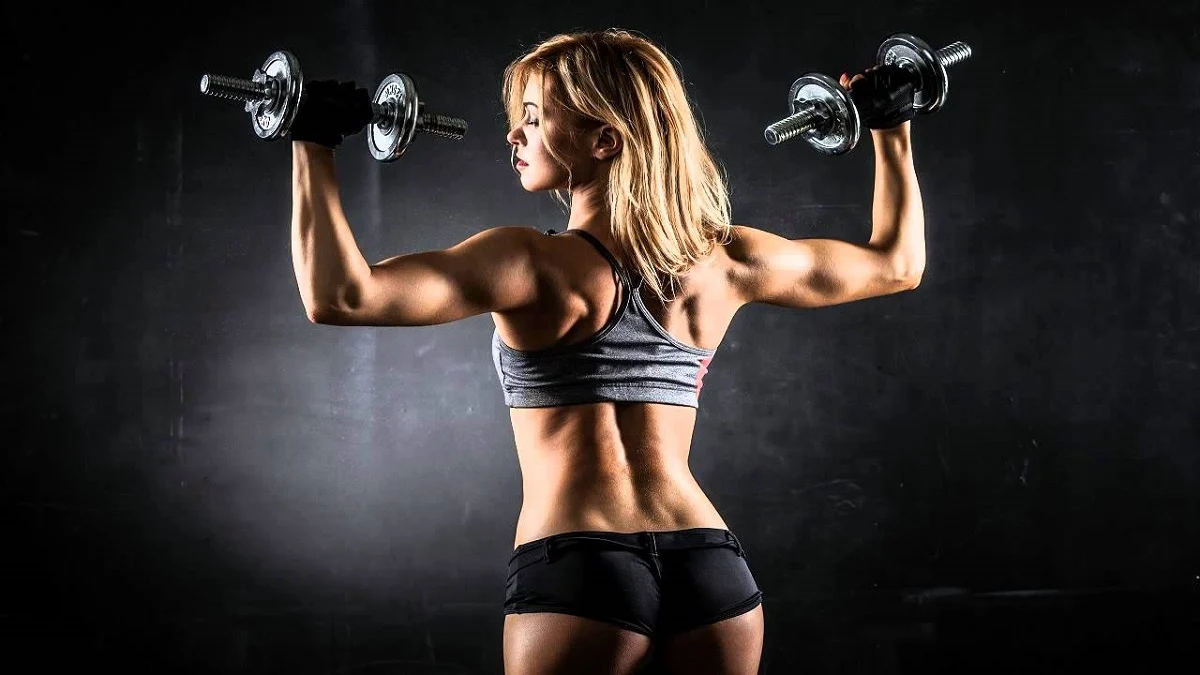
Here are the main guidelines for effective weight training:
- Free-weight exercises are more effective than machine exercises because they also work secondary muscle groups;
- Increase the weight rather than the number of reps—use weights that feel heavy for you. By the final set, you should be so tired that you can’t do another rep;
- Perform each exercise correctly, keeping your body tight and your spine straight;
- Always warm up and cool down;
- Rest for about 60 seconds between sets.
It’s recommended to do strength training at least 3 times a week, including exercises that work several muscle groups at once. Circuit training is a good option. This means doing 3 or 4 of the exercises listed below, with one for the lower body and the rest for the upper body. For a lighter workout, do 3 sets of 12 reps; for a more challenging workout, do 4 sets of 6 reps.
Read more: 5 Types of Squats for an Amazing Booty
The main exercises are:
Lower-body exercises
- Barbell squat
- Romanian deadlift
- Dumbbell lunges
Upper-body exercises – horizontal pressing
- Dumbbell bench press
- Barbell bench press
- Incline barbell bench press
Upper-body exercises – vertical pressing
- Barbell shoulder press
- Dumbbell shoulder press
Upper-body exercises – vertical pulling
- Close-grip pull-ups
- Wide-grip pull-ups
Upper-body exercises – horizontal pulling
- Dumbbell row
- Seated cable row
- Overhand barbell row