

An active lifestyle and regular workouts are becoming an increasingly important part of the daily routine not only for young people, but also for middle-aged adults. However, one question often asked by both groups about fitness is whether it wears down and harms the joints. It’s an important question, and the answer matters even more. That’s why today’s post is all about this topic: does fitness wear down the joints and lead to osteoarthritis?
What is osteoarthritis?
Osteoarthritis is a type of joint disease. When inflammatory processes begin in the joints, this is known as arthritis—a general term for more than 100 conditions. Osteoarthritis is the most common of them.
Often called “wear-and-tear arthritis,” it affects the entire joint, including the bone, ligaments and cartilage—the connective tissue that covers the ends of bones and helps the joint move smoothly. As the cartilage wears away, it breaks down, limiting movement and causing pain and stiffness. Osteoarthritis can affect any joint, but it most commonly occurs in the knees, hips, lower back and neck, as well as the joints in the fingers.
The main factors that increase the likelihood of developing osteoarthritis include excess weight, sex (it is more common in women), age, joint injuries, genetic predisposition and bone deformities.
Does fitness wear down the joints?
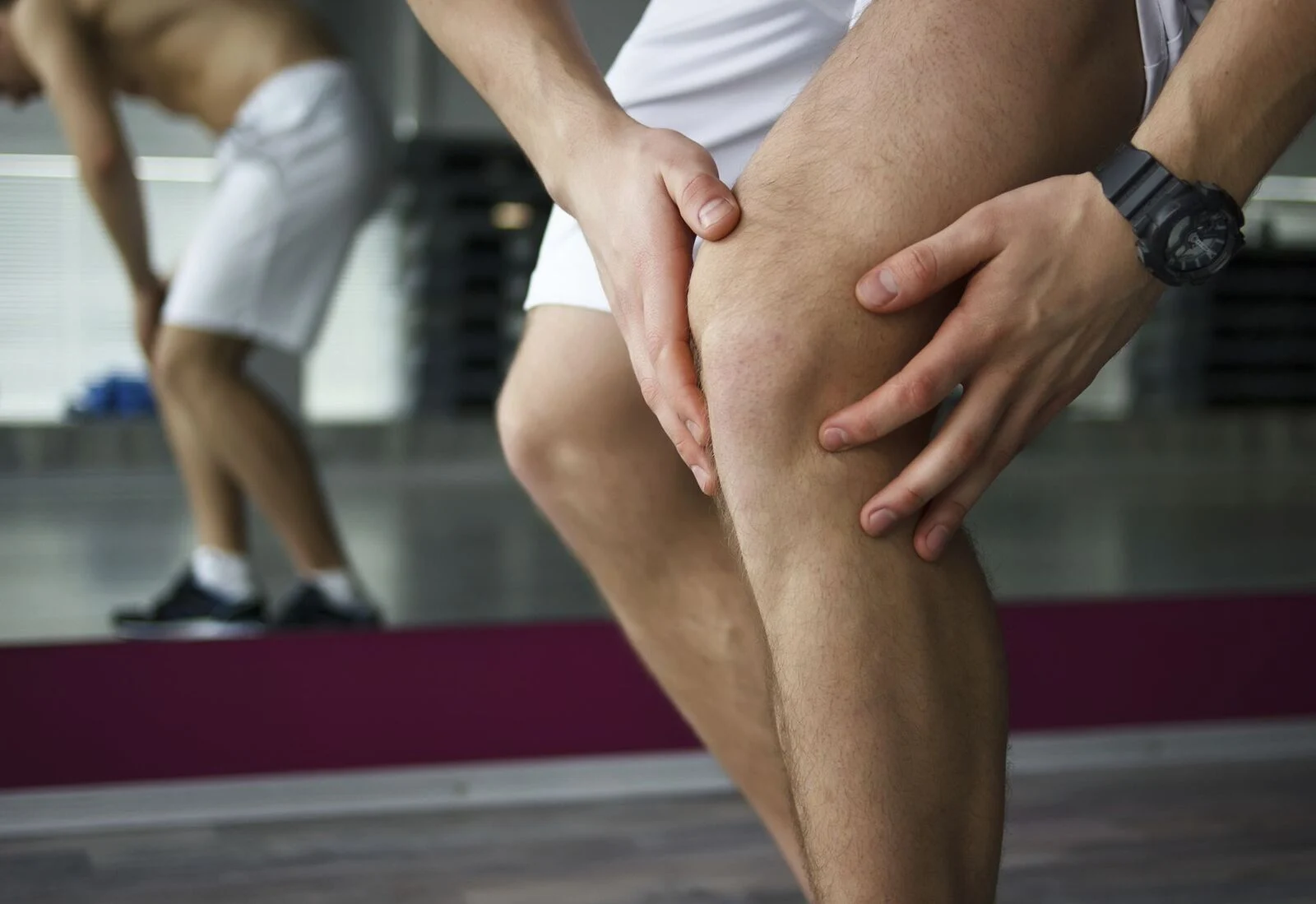
When we train hard and intensely, our joints are exposed to heavy, repeated strain and wear. The effects usually appear years later and are associated with joint pain and limited movement.
Overloading the joints and performing an exercise incorrectly for a prolonged period puts them at high risk of wear. If proper care isn’t taken in time, this can have a negative impact on them.
However, when you take a responsible approach to your body and take appropriate precautions, there’s no need to worry about your joints. That’s because the benefits of fitness for your health and joints far outweigh the drawbacks.
What can we do to slow down or prevent joint wear and tear?
When exercising, it’s important to follow a few key rules for joint care.
- Maintain a healthy weight
The best way to protect your joints is to maintain a healthy weight. Being overweight increases the risk of osteoarthritis because it puts extra strain on your joints. Studies show that losing just 5 kg can reduce joint pain by up to 50% and slow the progression of the condition.
- Warm up and cool down
The most important parts of a workout are warming up before exercise and cooling down afterward. This helps prepare your joints for the upcoming strain and relax them once you’re done.
- Avoid overloading your joints
Exercise is good for your joints, but don’t overdo it. Both overloading and underusing your joints are equally harmful to cartilage. On the one hand, overloading causes it to wear down quickly. On the other, inactivity reduces the amount of synovial fluid in the joints, which acts as a lubricant. As a result, the cartilage cracks and wears away.
- Vary your exercises
Exercise helps reduce joint stiffness. It’s recommended that you vary your workouts, combining aerobic exercise and strength training twice a week with stretching and relaxation exercises. The aim is to avoid overloading the same parts of the body.
- Use proper form when exercising
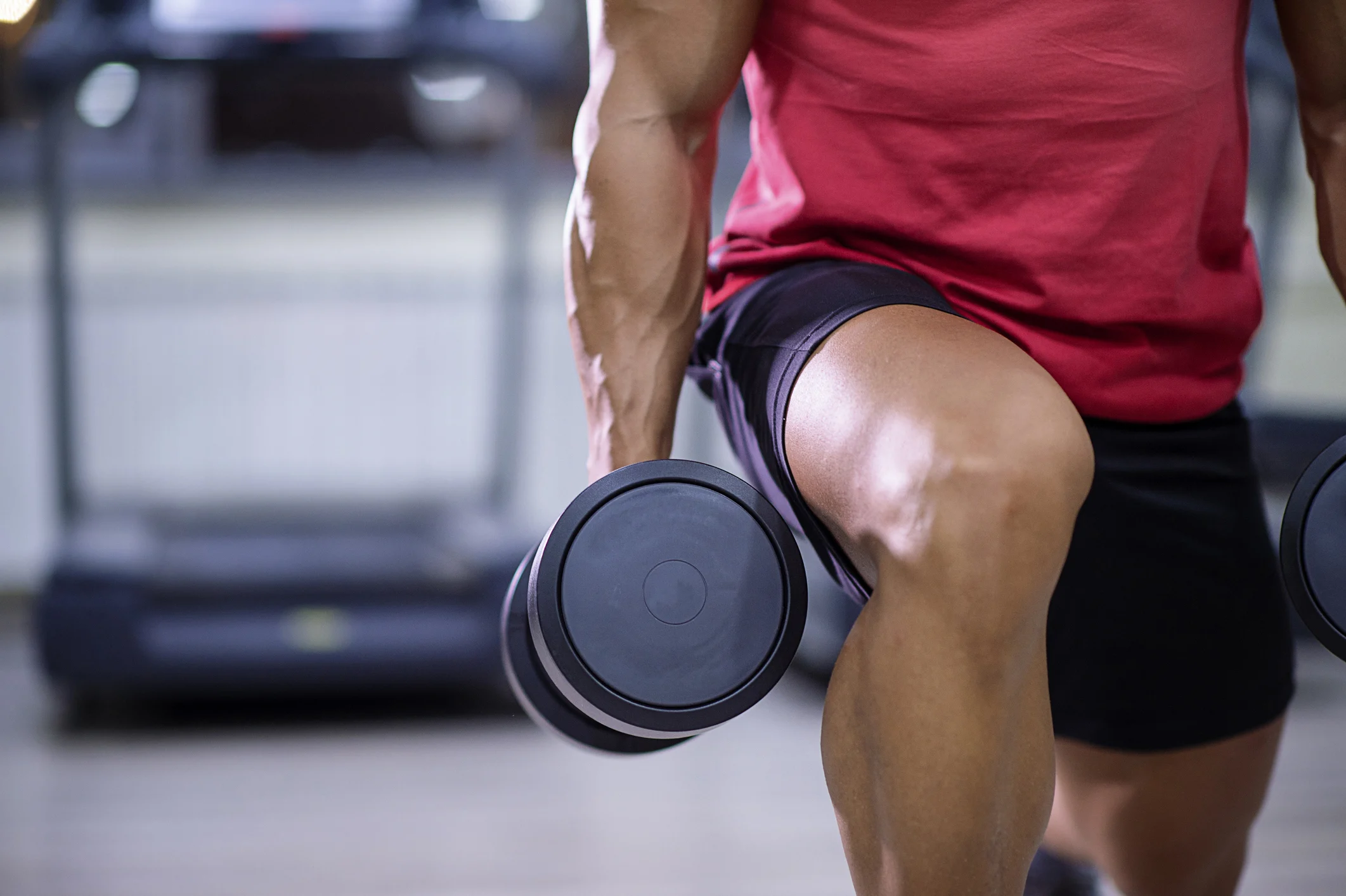
Avoid incorrect movements and risky exercises. The consequences can be harmful to your joints.
- Don’t exercise if you’re in pain
Your body always sends signals when something is wrong, and joint pain is definitely a sign that something’s not right. Stop exercising immediately until the cause is identified and the inflammation has subsided.
- Remember to rest
Rest periods between sets and workouts are essential to give your body time to recover. They’re also a key part of any training program.
- Take care of your muscles
Strength training builds up the muscles and tendons around your joints, protecting them from injury. If needed, you can modify the exercises to avoid overloading the tendons in the area you’re training. For example, people who suffer from knee pain, can replace squats and lunges with seated leg extensions. To do this, sit on a chair or bench with your feet flat on the floor. Straighten your knees and lift your legs until they’re parallel to the floor. You can lift both legs at once or alternate between them.
- Apply ice after your workout
Ice helps prevent swelling and reduce pain after a workout. When we exercise, synovial fluid enters the joints, where it acts as a lubricant. However, if it remains in the joints for a long time after a workout, it can cause cracks in the cartilage. Applying ice helps this fluid leave the joints and move into the lymphatic system—our body’s largest “waste bin.” Experts recommend applying ice to the areas you’ve worked for up to 10 minutes after exercise.
- Eat a healthy diet

To maintain a healthy weight, we need to watch what we eat. Experts recommend eating seasonal fruit and vegetables, as well as foods containing calcium, magnesium (fish and seafood, cabbage, spinach, legumes, walnuts, seeds, peas, wholegrain bread and milk) and vitamins.
Studies show that omega-3 fatty acids in fish help significantly reduce symptoms associated with joint pain, as well as inflammation itself. The best sources of omega-3 fatty acids are salmon and tuna.
Vitamin D also has an anti-inflammatory effect. The recommended daily dose is 400 to 800 IU (international units). One glass of milk contains 100 IU, while 100 g of salmon contains around 300–650 IU.
Dietary supplements
Glucosamine and chondroitin help support the joints. They are produced naturally in the body, and their main function is to protect the connective tissue that makes up the joints, tendons and skin from wear and tear. When we exercise, the amount of these substances in the body decreases. Dietary supplements are the only way to replenish them.
Can exercise relieve arthritis symptoms?
In fact, exercise is one of the best ways to manage arthritis. Cartilage is living tissue, but it has no arteries to supply it with blood. That’s why it relies on joint movement, which acts like a pump. This stimulates the circulation of synovial fluid, which contains oxygen and nutrients.
The main benefits of exercising with arthritis are reduced pain, maintained joint mobility and flexibility, and increased muscle strength.
Choosing the right workout isn’t as easy as it may seem. It takes time to read up on different options and learn the proper exercise techniques. With the fitness instructors at Pulse Fitness & SPA you can count on a professional approach and highly qualified specialists who will not only create the right workout program for you, but also teach you the ins and outs of fitness.
Follow Borislava on Instagram @bobirusinova Check the schedule for our group classes at pulsefit.bg . . . . . . . . #fitness #personaltrainer #training #trainer #workout #motivation #gym #trainerlife #fitnessmotivation #trainer_tim #gymlife #zumba #instafit #fitnessmotivation #pulseandyou #pulsefitness #joinus