

Squats are the best foundational exercise for building firm, shapely thighs. Squatting—especially the wide-stance squat—is also ranked as the number-one exercise for building a “Brazilian butt.” And that’s a look both women and men really want. But building a booty like that isn’t one of the easiest tasks, so the chances of taking squats out of our workouts are almost zero!
But what should we do when our knees hurt or pop during squats?
This is a question with many possible answers. If you ask your personal fitness trainer whether you should squat when your knees hurt, hmm! You’ll most likely hear, “Of course you should squat.” That may be the right answer—or it may not. By the book, most people rush to the doctor when their knees hurt. But there’s no guarantee the doctor will give you the right answer either. There are doctors, and then there are doctors. Some may prescribe a whole list of medications and tell you to give up squatting. The theory is one thing, but practice can be quite different. In any case, it’s best to avoid knee pain and popping during squats in the first place.
How can we prevent knee pain, according to fitness trainers?
A healthy diet rich in protein, followed by complex carbohydrates and essential fats. Basic dietary supplements—glucosamine, chondroitin, vitamins, minerals and protein powder. Combined with movement, these are the recommendations most commonly given by professional fitness trainers.
Today, more and more people in big cities are becoming sedentary because of modern conveniences. From home to the car or metro, then on to the office. From the office back to the car and home. Think about it and you’ll see that you may not even walk 2 kilometers a day—or perhaps not even 1 kilometer. Whichever way you look at it, that’s a sedentary lifestyle.
Say stop to knee pain and popping with a healthy diet and exercise!
Follow these basic recommendations to help prevent knee pain and popping:
1. Eat a protein-rich meal every 3–3.5 hours;
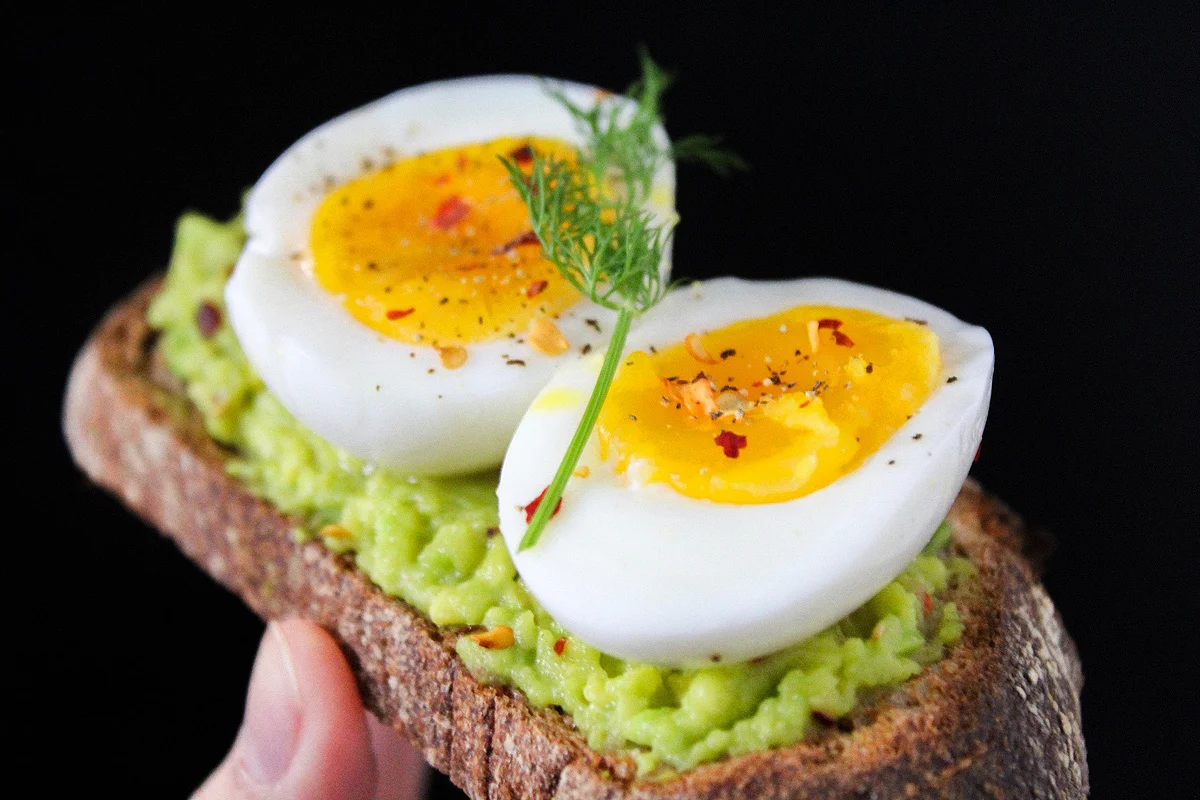
Example: Make an easy, tasty and healthy breakfast with scrambled eggs and low-fat cheese, or simply boil two eggs and get creative. For example, if you weigh 50 kilograms and want to maintain an athletic physique, you’ll need 1–2 eggs and 50 grams of low-fat cheese for breakfast. Of course, don’t forget complex carbohydrates and essential fats.
Read more: What are the benefits of whey protein?
2. Drink at least 2 liters of water a day;
Water is extremely important for our health. If we don’t drink enough water each day, we’re at a high risk of becoming dehydrated. Dehydration can cause muscle cramps and increase the risk of wear and tear on joint cartilage.
3. Exercise at least twice a week;
Imagine what would happen to your car if it sat in the garage for years without any attention. It would be very likely to become unusable. Driving sensibly extends a vehicle’s lifespan because its parts are lubricated. And while car parts are easy to replace, the same can’t be said for the “parts” of our body.
That’s why we need to exercise: to protect our body’s “parts” from wearing out too quickly. Movement increases the production of synovial fluid, which reduces friction between joint cartilage and nourishes it.
4. Use a weightlifting belt;
Take a look around the gym and see how many people squat. Not many, right? And how many of them use a squat belt? Even fewer, right? Don’t make the same mistake—always use a weightlifting belt. It can improve your working sets and make squats safer.
5. Squat wraps or knee sleeves;
If you’re already an experienced lifter and squat with heavy weights, consider using squat wraps or knee sleeves. Squat wraps can help you lift more during your working sets.
And what else?
Find out in the video interview on “Is it dangerous to squat with knee pain and/or clicking during a squat?” with Hristo Dimitrov, Doctor of Physiotherapy/Kinesiotherapy, alongside fashion blogger Stylish Toast.