

Fiber is important for a balanced diet. If your daily menu includes fruit, vegetables, whole grains and legumes, you don't need to wonder whether you're getting the recommended daily intake of fiber. The answer is yes.
What is fiber?
Also known as roughage or dietary bulk, fiber is a type of complex carbohydrate, found only in plant-based foods. Our bodies cannot digest it, which offers a number of health benefits. There are two types of fiber: soluble and insoluble. Soluble fiber slows the absorption of glucose, cholesterol and triglycerides into the blood. It is found in the fleshy parts of plants. Insoluble fiber helps remove toxins from the body by speeding up the emptying of the large intestine. It is found in the hulls of seeds and fruits, as well as in stems and leaves.
What are the benefits of fiber?
· Helps with weight management. Fiber-rich foods make you feel full faster. They stay in your stomach longer, so the feeling of fullness lasts longer. This helps us avoid overeating and makes it easier to stay in a calorie deficit for longer.
· Supports heart health. Dietary fiber lowers levels of bad cholesterol (LDL), because it helps prevent some fats from being fully absorbed by the body.
· Helps with large intestine problems (constipation, hemorrhoids, diverticula)
· Regulates blood sugar levels. It slows the breakdown and absorption of carbohydrates. This balances blood sugar levels, helping to prevent diabetes.
· Benefits the skin. Dietary fiber helps us rid our bodies of toxins more quickly. This is usually one of the skin's functions. That's why fiber reduces the risk of rashes or acne.
Which foods contain the most fiber?
The recommended daily intake is 38 g for men and 25 g for women. Below, we've listed the best sources of this type of carbohydrate.
Leafy greens
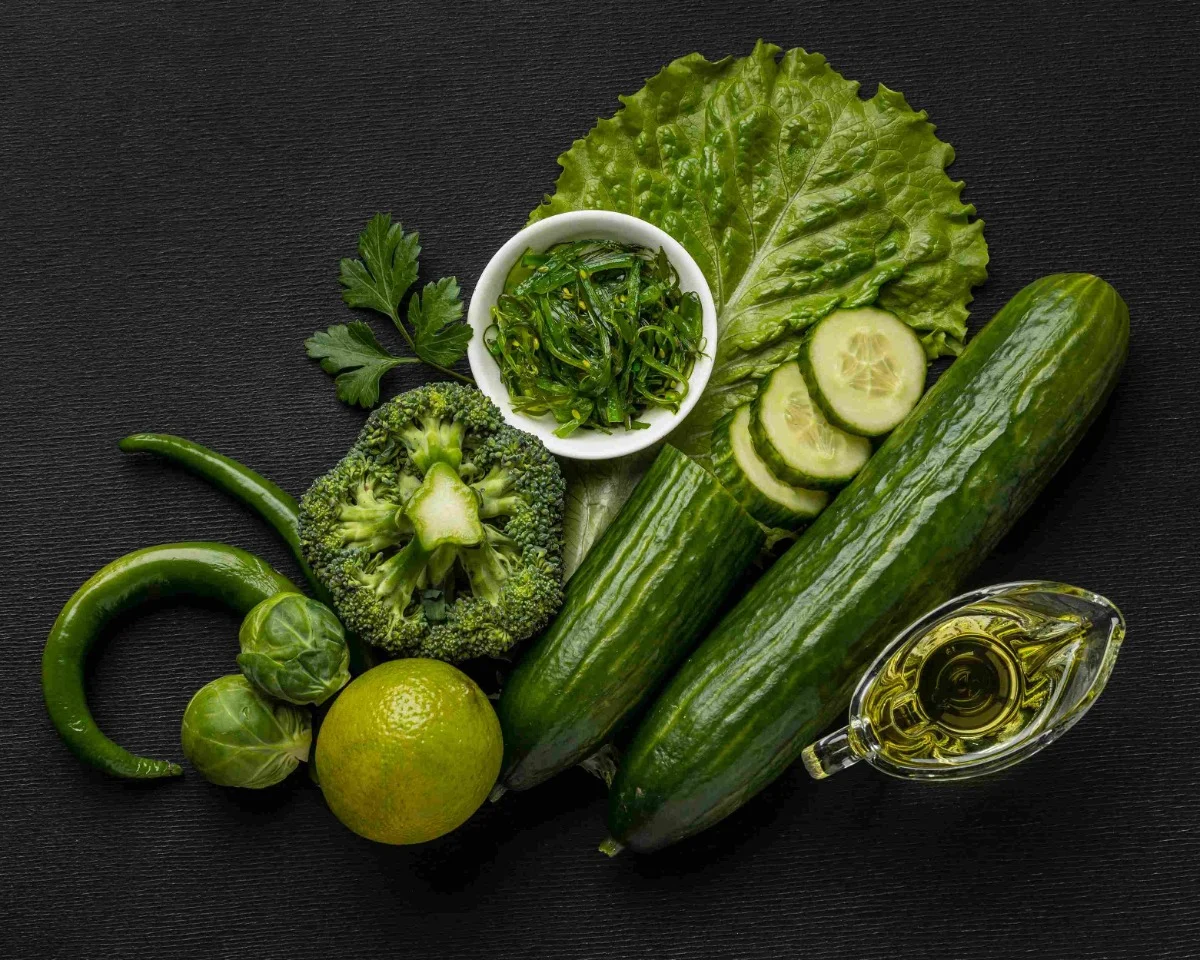
Artichoke (5.4 g per 100 g of product), Brussels sprouts (3.7 g per 100 g of product), broccoli (2.6 g per 100 g of product), cauliflower (2.6 g per 100 g of product), lettuce (1.3 g per 100 g of product).
Root vegetables
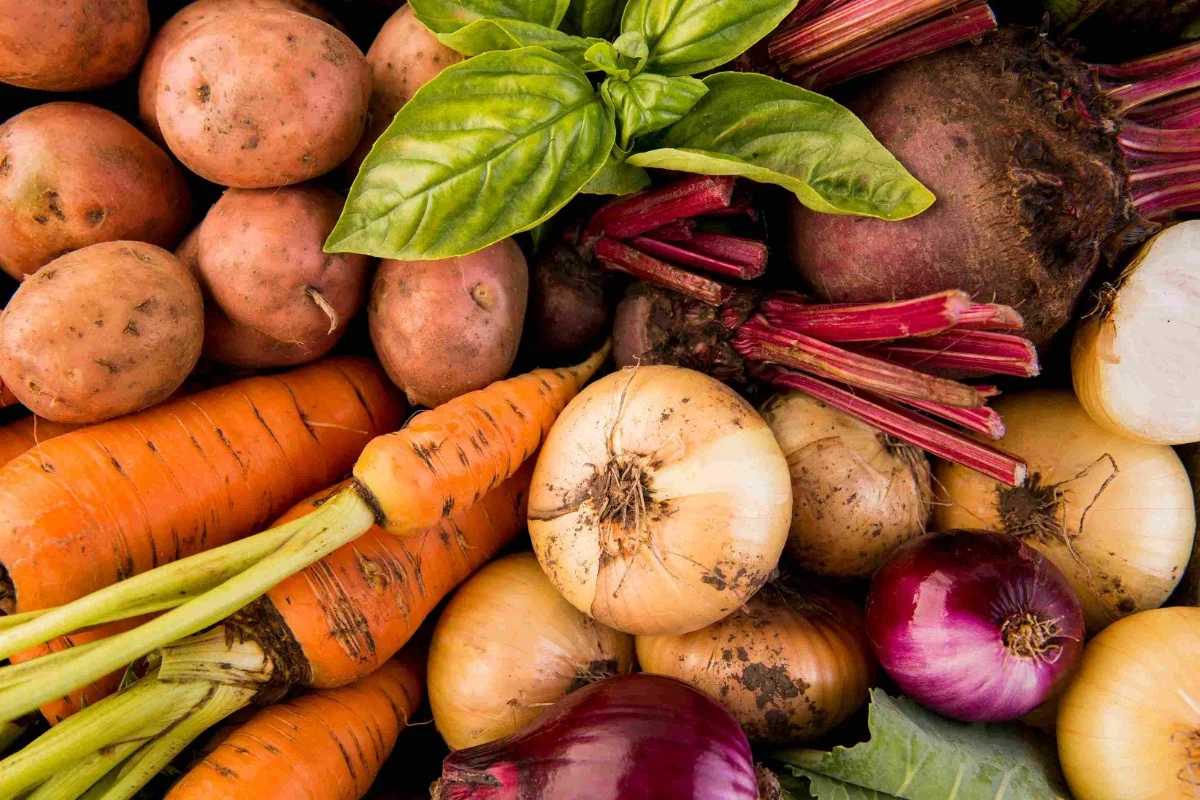
Carrots (2.8 g per 100 g of product), beetroot (2.8 g per 100 g of product), onion (2.7 g per 100 g of product).
Fruit
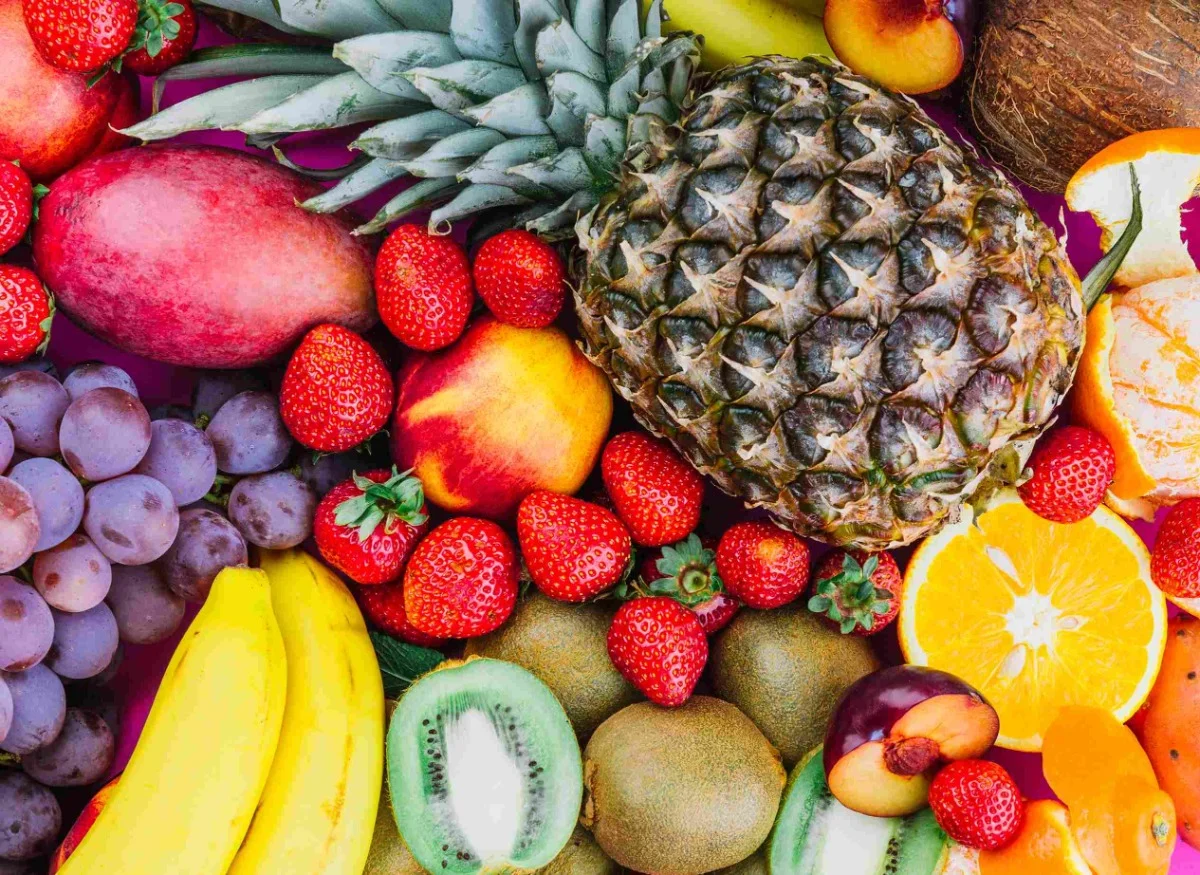
Raspberries (6.5 g per 100 g of product), blackberries (5.4 g per 100 g of product), pears (3.1 g per 100 g of product), bananas (2.6 g per 100 g of product), apples (2.4 g per 100 g of product), blueberries (2.4 g per 100 g of product), strawberries (2 g per 100 g of product). As well as all fruits beyond these examples.
Avocado is also a very good source of dietary fiber. 100 grams contain 6.7 g of fiber.
Legumes
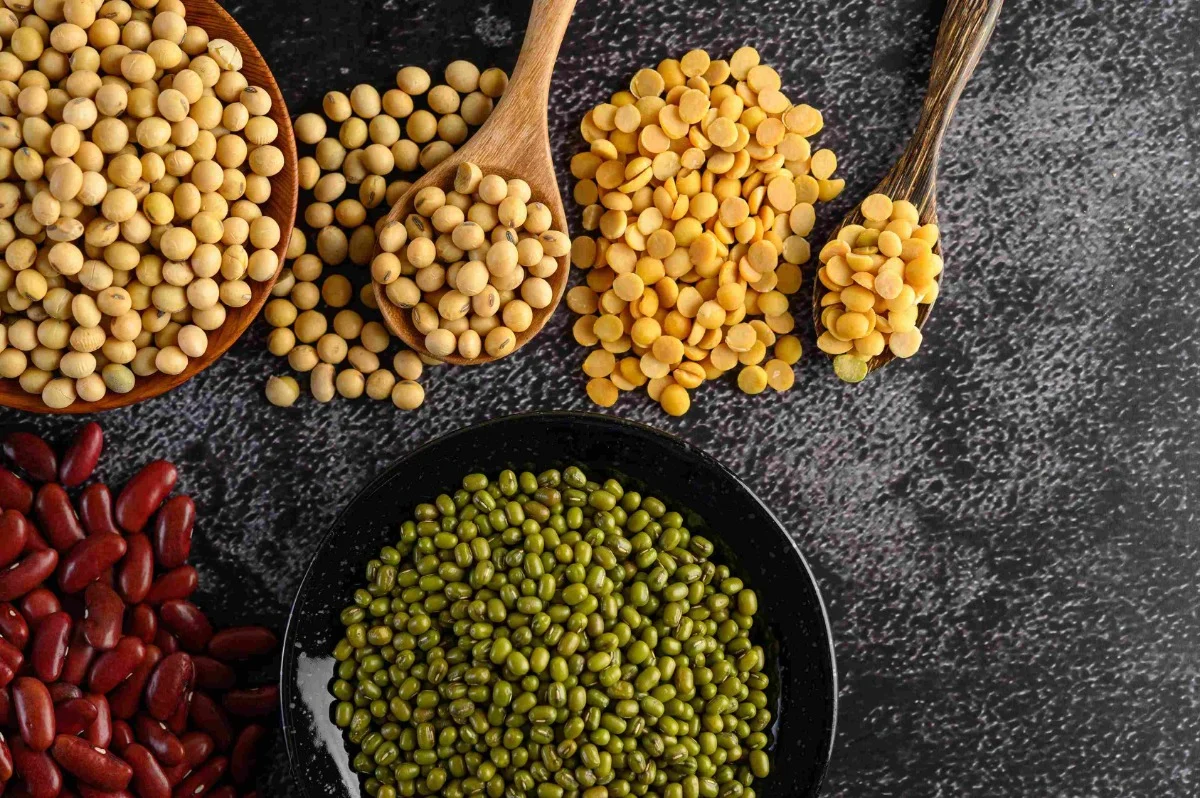
Peas (8.3 g per 100 g of product), lentils (7.3 g per 100 g of product), chickpeas (7 g per 100 g of product), beans (6.3 g per 100 g of product).
Whole grains
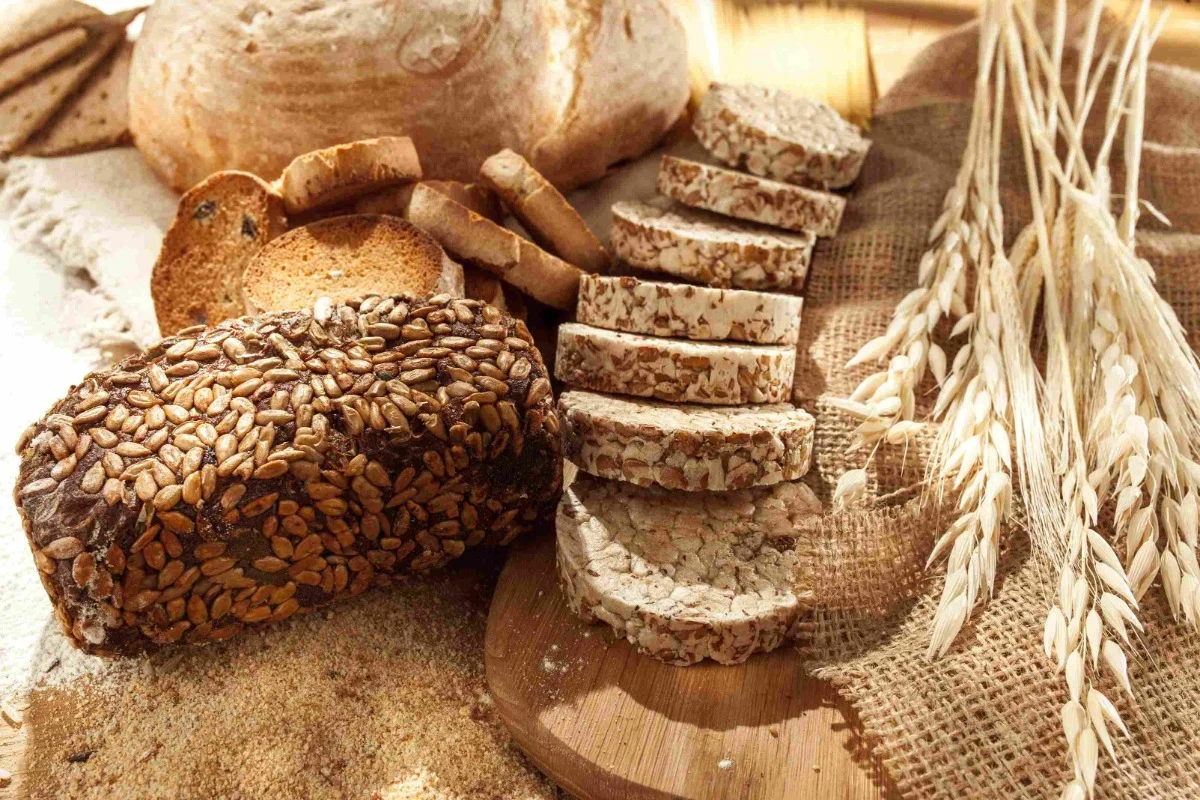
100 g of whole-grain bread contains 13 g of dietary fiber.
Other:
Chia (34.4 g per 100 g of product);
Popcorn (14.4 g per 100 g of product);
Almonds (13. g per 100 g of product);
Dark chocolate (10.3 g per 100 g of product);
Pistachios (10 g per 100 g of product);
Oats (10 g per 100 g of product);