

Many people think that white refined sugar is an artificial product. This is not true, because it is made up of sucrose. And sucrose is a natural substance found in nature. We find it in honey and fruit. What sugar and natural sweeteners have in common is that the chemical reactions that process carbohydrates, are the same. The difference is that sweeteners also contain substances other than carbohydrates. In this article, we’ll look at the nutritional qualities of sugar and some of the most widely used natural sweeteners. And we’ll debunk some myths about them:
Sugar
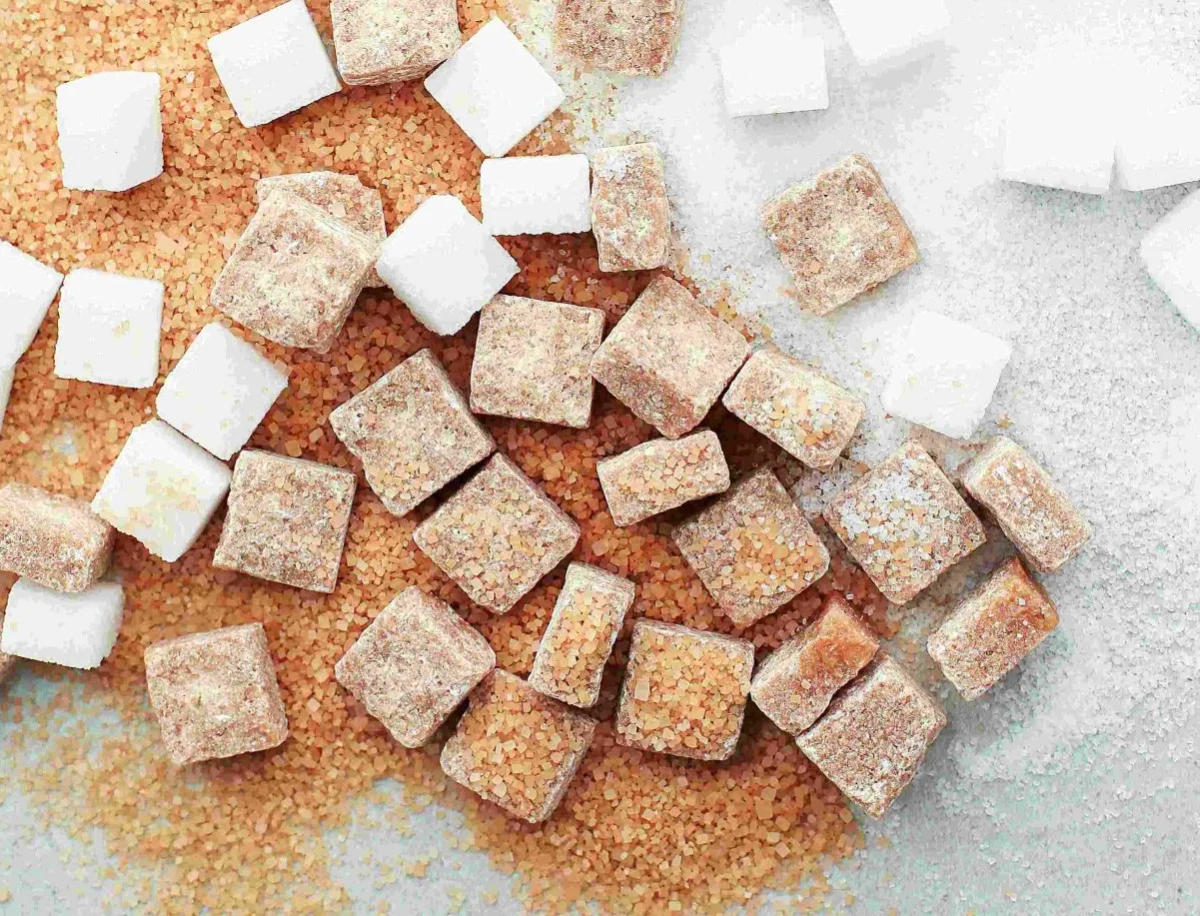
White refined sugar
It is extracted from sugar beet or sugar cane. In practice, it is sucrose in its pure form. This means white sugar contains none of the vitamins and minerals found in either plant. The benefit sucrose gives our bodies is energy. 100 g of sugar contain around 400 calories.
White sugar is one of the so-called “three white poisons,” along with type 500 flour and salt. Its bad reputation comes from how easy it is to overdo it. This often leads to weight gain, diabetes, tooth damage, and so on. That’s why many experts recommend using other natural sweeteners instead.
Brown sugar
98% of its composition is sucrose (carbohydrates). It has not undergone the bleaching process, so it contains very small amounts of potassium, calcium, zinc, magnesium, phosphorus, iron, and others. That’s why brown sugar is preferable to white sugar. It is also 10% lower in calories and contains fewer chemicals. 100 g contain 393 calories
What you need to watch out for is counterfeit sugar—white sugar that has been colored. Unfortunately, there’s no way to tell in the shop. You can check by dissolving the sugar in a glass of warm water. If the water stays clear, you’re in luck. But if it turns brownish, you’ve got a fake.
Honey

There is a common misconception that honey is rich in vitamins and minerals. That’s far from the truth. Much of its content is a combination of glucose and fructose (sugars). Honey is 17% water and about 82% carbohydrates; the rest is vitamins, minerals and protein. 100 g of honey contain around 320 calories. And because it is denser, a spoonful of honey has many more calories than a spoonful of white sugar.
Coconut Sugar
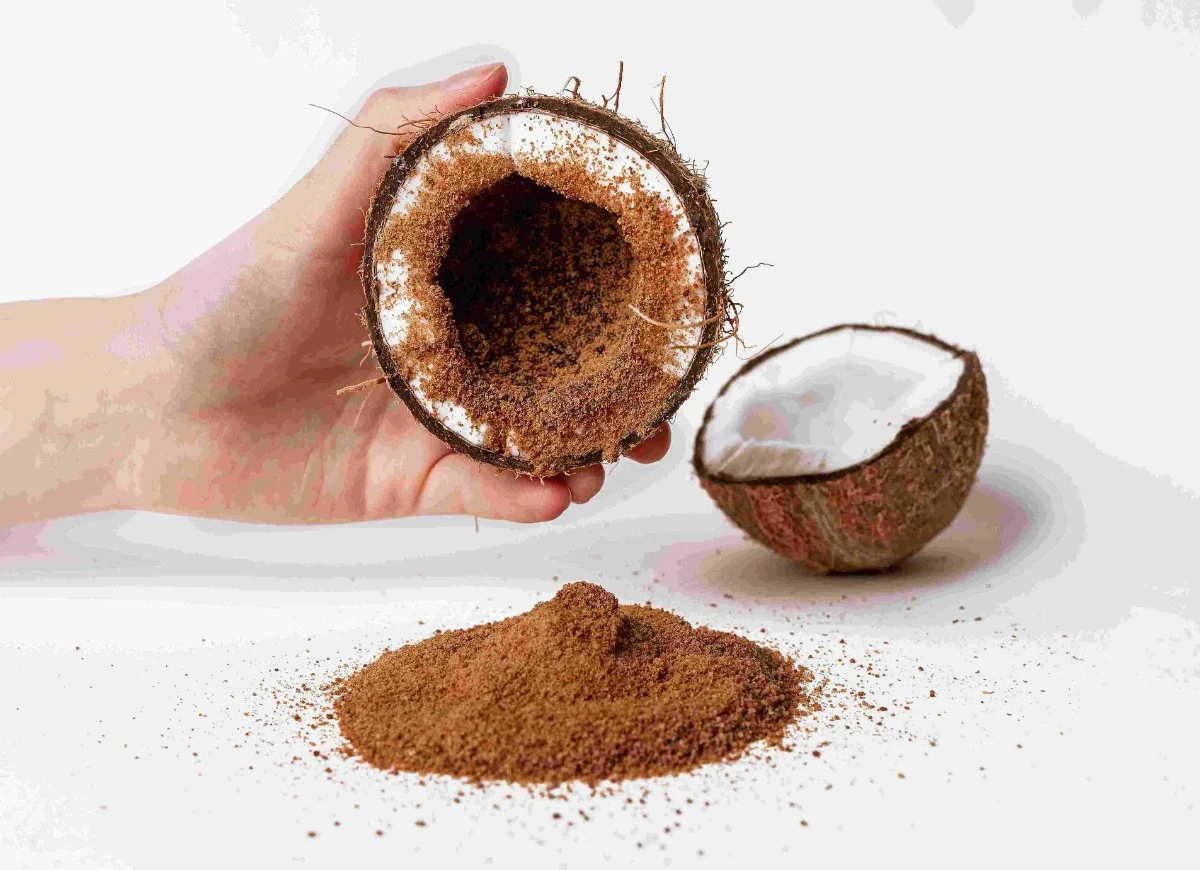
Coconut sugar is extracted from the flowers of the coconut tree. 100 g of this sweetener contain 375 calories. Carbohydrates make up 93% of its composition. Coconut sugar is also a source of magnesium, potassium, zinc and iron. It contains vitamins B1, B2, B3 and B6. That makes it a preferable choice to white and brown sugar, but it should still be consumed in moderation.
Maple Syrup

Maple syrup is one of the well-known sweeteners used in making desserts. 100 grams contain 260 calories. Carbohydrates make up 67% of its composition. Maple syrup is very low in vitamins, but contains calcium, potassium, iron, zinc and magnesium. Some claim that this sweetener is safe for people with diabetes. It is certainly a suitable alternative because its glycemic index is low—54. Sugar-free syrup is a better choice for them.