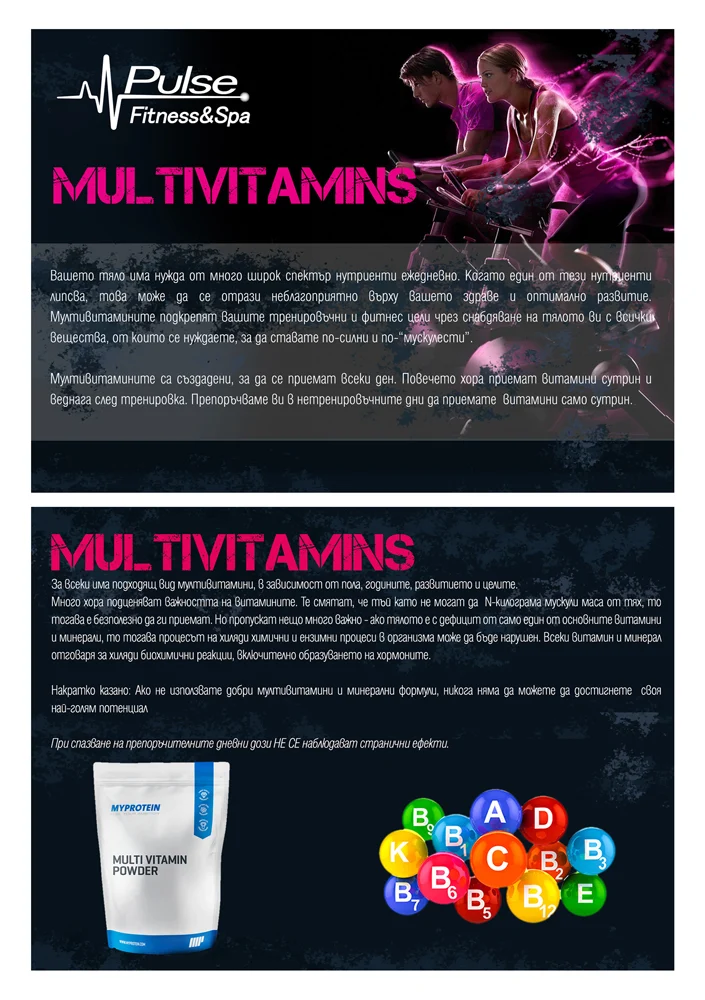
Everyone who works out knows that their muscles keep working even after they leave the gym. Cell synthesis and tissue repair depend on the vitamins and minerals the body takes in. These vitamins can be found in any balanced diet, but the truth is that food alone is not enough to get them all. That’s why we recommend including various vitamin supplements in your diet to support muscle recovery and growth.
To make things easier, we’ve put together an alphabetical list of the most essential vitamins for anyone who leads an active lifestyle.

1. Vitamin A
Vitamin A, also known as retinol, primarily supports vision and helps the immune system. For people who work out, vitamin A is beneficial because it supports protein synthesis, which is essential for muscle growth. Vitamin A also plays an important role in providing greater structural strength to muscles by stimulating bone development and the growth of new cells.
Read more: Dietary supplements and fitness: Which ones are right for beginners and advanced athletes?
Where can you find it, besides dietary supplements? One of the best sources of vitamin A is carrots—a cup provides more than 600% of your daily requirement. Spinach, sweet potatoes, pumpkin and turnips are also good sources.
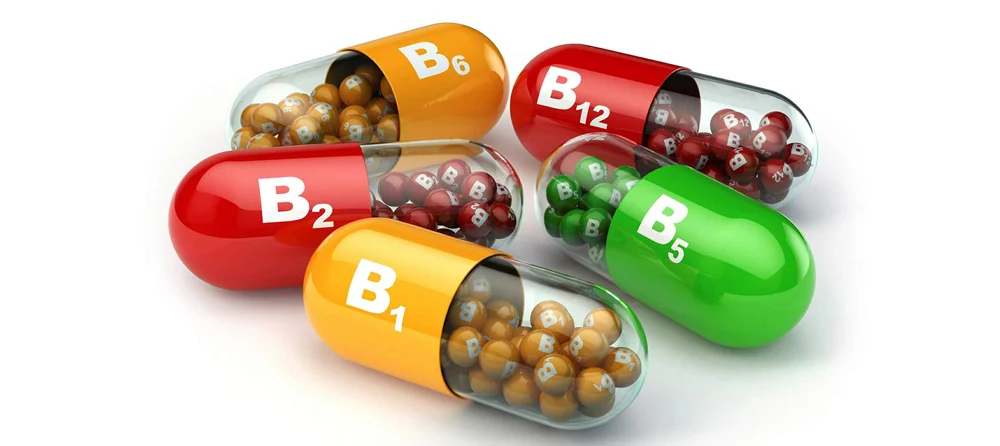
2. B vitamins
Vitamins B6 and B12 are among the key members of the B-vitamin group when it comes to muscle growth and recovery after exercise. Both vitamins play a direct role in protein metabolism. The higher your protein intake, the more vitamin B6 you need to help metabolize the additional protein. B6 and B12 are essential for producing red blood cells and additional immune cells. They are also invaluable for muscle growth and recovery.
Read more: 5 ways to welcome spring with new healthy habits
Where can you find it, besides dietary supplements? One of the best food sources of B vitamins is a quarter cup of sunflower seeds, which provides nearly 50% of your daily requirement. Other good sources include yellowfin tuna, black beans and lentils.
3. Vitamin C
Vitamin C is best known for its role in helping fight colds. It is important for maintaining the body’s connective tissue, cartilage and tendons. It is also a powerful antioxidant that protects muscle cells from damage caused by free radicals. Vitamin C also supports collagen production. Since collagen is the main component of connective tissue, vitamin C is essential for preventing bone and muscle injuries. By boosting collagen levels, joints are better able to handle heavier loads, reducing the risk of injury.
Read more: Omega-3: What is it and how does it work in our bodies?
Where can you find it, besides dietary supplements? Many people think oranges contain the most Vitamin C, but they actually rank lower than strawberries, Brussels sprouts, broccoli, red peppers and papaya, which provide over 300% of your daily needs.
4. Vitamin D
Vitamin D, known as the sunshine vitamin, is also essential when we exercise and want to build lean, toned muscles. Vitamin D can significantly increase strength and endurance in adults when combined with the right training programme. In addition to its effects on testosterone and muscle growth, vitamin D can also improve bone health. Its role in the body is to help absorb calcium and phosphorus and keep your bones healthy and strong.
Read more: 13 Fascinating Facts About the Human Body
Where can you find it, besides dietary supplements? Besides sunlight, vitamin D is also found in milk, salmon, shrimp and whole eggs. One glass of milk provides around 25% of your daily needs.

5. Vitamin E
Vitamin E is another nutrient that acts as an antioxidant in the body and helps build a healthy immune system. It also supports blood flow and plays a key role in maintaining the body’s tissues. It may help with stretch marks and skin problems, reduce stress and limit muscle damage. Vitamin E also has a positive effect on blood pressure, helping blood reach working muscles more easily. When blood circulates properly throughout the body, muscle soreness can also be reduced.
Read more: The Body’s Confession: “I’m You—Don’t Forget Me”
Where can you find it, besides dietary supplements? One of the best sources of vitamin E is sunflower seeds, which can provide around 90% of your daily needs. Other good sources include almonds, olives, spinach, papaya and turnips.
Vitamins are essential for everyone who leads an active lifestyle, and getting enough of them helps keep our bodies healthy—even if we’re not big fans of working out. That’s why Pulse Fitness offers a multivitamin supplement solution at its specialist shops, located in every sports club in Sofia.