

The diet of people who work out usually includes chicken, beef, egg whites, certain superfoods, fruit and vegetables. But when the body is put under intense strain, it needs a quick energy boost. That’s why it’s important to consume good carbohydrates.
It’s no coincidence that rice is called “the diamond of grains”. It’s an excellent source of carbohydrates and has been eaten around the world for millennia. Rice is a staple food for more than half the world’s population and provides 20% of the daily calories people consume. But is it a good food for people who work out, and does it matter whether you choose white or brown rice? These are the main questions we’ll answer in this article.
Which rice should you choose—brown or white?
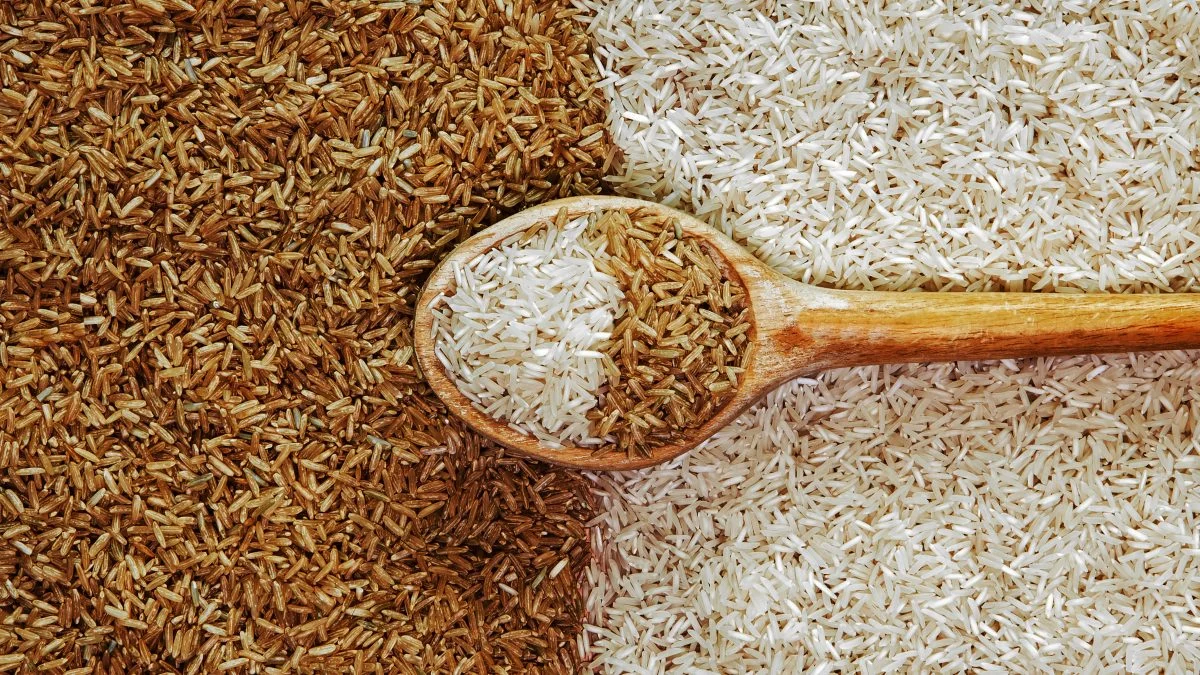
Both white and brown rice come in several varieties, depending on the length of the grains —they are divided into:
- short-grain
- medium-grain
- long-grain
The difference between white and brown rice lies in how they are processed. For both types, the outer husk is removed from the grain. At this stage, you get brown rice. White rice requires additional processing – the bran and germ are removed leaving only the carbohydrate-rich endosperm.
Removing the bran and germ makes rice last longer, but also reduces its fiber and nutrient content, including vitamins B1 and B3, and iron. In some countries, legislation requires these nutrients to be added back to the rice, creating “enriched rice”.
Brown rice, unlike white rice, contains manganese, phosphorus, magnesium and zinc. This makes it more nutrient-rich, and it is considered the better choice to include in your daily diet.
Nutritional values of rice
One cup of white rice contains:
- 242 calories
- 53.2 g carbohydrates
- 0.6 g fiber
- 4.4 g protein
- 0.4 g fat
By comparison, one cup of brown rice contains:
- 218 calories
- 45.8 g carbohydrates
- 3.5 g fiber
- 4.5 g protein
- 1.6 g fat
Protein content
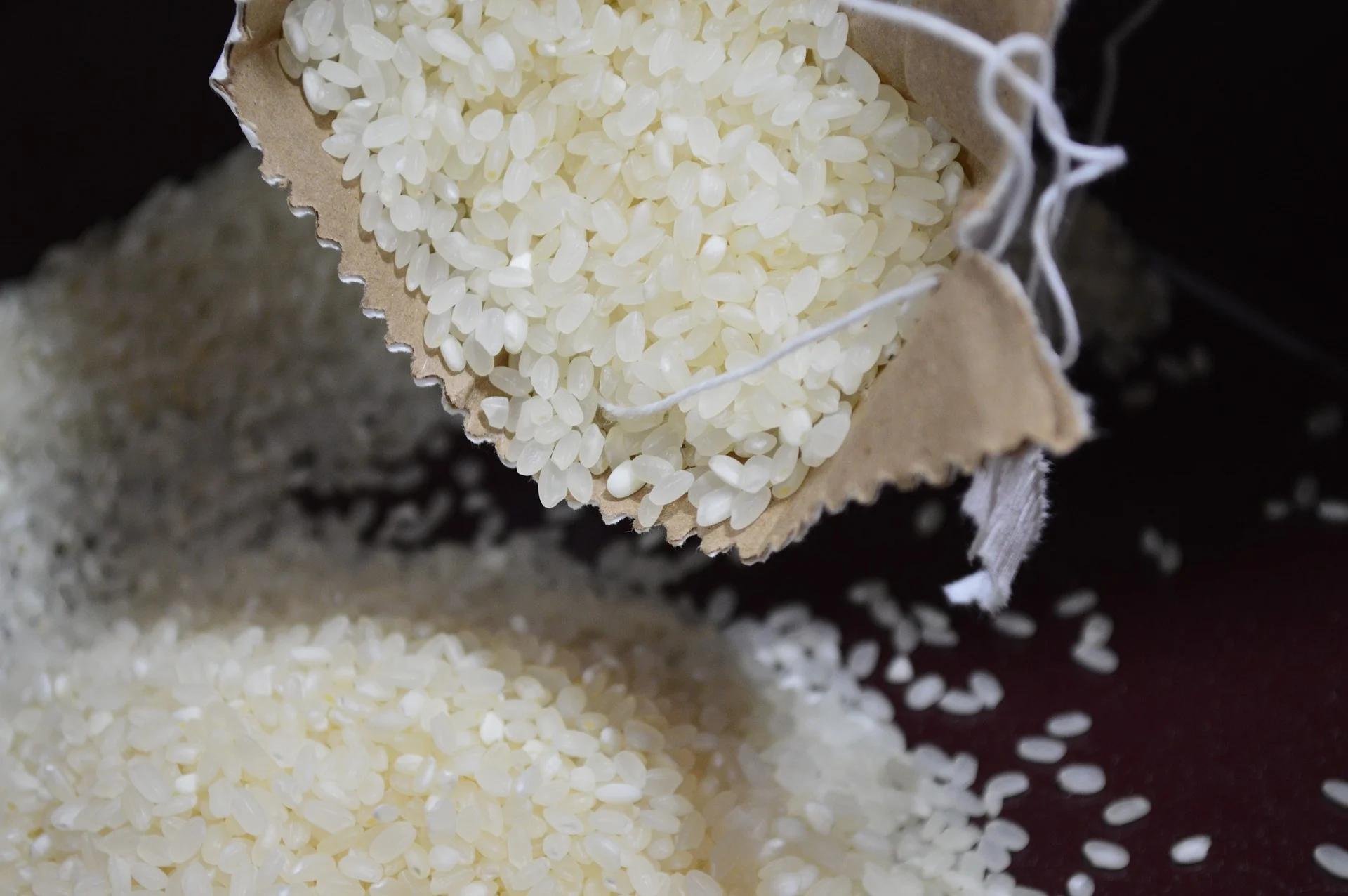
Rice is not a complete source of protein, but it still contains a small amount, and when we’re trying to get our recommended daily intake, every gram counts. With 1 cup of rice spread across 4 meals throughout the day, you’ll get around 18 grams of protein, which is more than some protein bars.
Rice protein contains high amounts of the amino acids cysteine and methionine, but very little lysine. However, proper protein synthesis requires consuming these amino acids in specific proportions and amounts.
For this reason, rice recipes often include different kinds of vegetables. They are high in lysine and low in cysteine and methionine, perfectly complementing rice’s amino acid profile.
Glycemic Index of Rice
White and brown rice differ mainly in their glycemic index. This measures the immediate effect of foods on blood sugar levels. The glycemic index of white rice is 89, which is considered high, while that of brown rice is 50, which is considered low. These figures change, however, when rice is combined with other foods.
Why Is the Glycemic Index Important?
A low glycemic index prevents a sudden rise in insulin levels—a process that leads to fat storage. Therefore, with few exceptions, it is recommended to eat mainly foods with a low glycemic index.
The exceptions apply to people who want to gain weight but struggle to do so. An exception can also be made after high-intensity training. At that point, the body’s glycogen stores are very low, and an increase in insulin levels helps replenish them in a short period of time.
Rice for Building Muscle

Those who train with the goal of building muscleneed a good amount of calories and carbohydrateswhich are found in similar proportions in both types of rice.
Beginner fitness enthusiasts can eat both white and brown rice, as long as they keep track of their total daily calorie and macronutrient intake.
More advanced bodybuilders can choose their type of rice based on how easily or slowly they gain weight. White rice contains slightly more calories and carbohydrates and is suitable for those who find it difficult to gain mass. Those who gain body fat along with muscle are advised to choose brown rice.
Rice for weight loss

Rice is a suitable food for people whose main fitness goal is building muscle. If your goal is to lose weight, however, it’s best to avoid eating both white and brown rice. Just a few spoonfuls can provide over 500 calories, which is definitely not ideal if you’re trying to lose weight.
However, some people prefer to follow a balanced diet for weight loss. In this case, eating a little brown rice during the day is fine, but we recommend checking that the calories and macronutrients in your daily meal plan match your goals.
Key benefits of eating rice
Rice is a gluten-free grainand is suitable for people avoiding wheat products. Its main benefits are related to the vitamins and minerals it contains.
- Thiamine (a B vitamin) boosts metabolism
- Magnesium is a component of bones, plays a role in muscle contractions and in numerous enzymatic reactions related to DNA and protein synthesis
- Rice is also rich in selenium — a substance that reduces stress, supports the thyroid and helps prevent cancer
- The manganese content supports the reproductive system and lowers cholesterol levels