

Yoga is an ancient practice that combines physical exercise, breathing, and mental focus. For people who train regularly, yoga offers a range of benefits such as improving flexibility, balance, and mental calm. Here’s how yoga can enrich your fitness routine, its benefits, and how to incorporate it into your recovery.
The Benefits of Yoga for Active People – Flexibility, Balance, and Mental Calm
- Flexibility – Yoga helps stretch muscles and tendons, which is extremely useful for those who do intense sports such as running, weightlifting, or resistance training. Flexible muscles and joints are less prone to injury, and regular yoga practice can improve mobility and range of motion.
- Balance – In many fitness workouts, balance is often overlooked, but it is key to overall physical fitness. Yoga poses that develop balance, such as “Tree” or “Warrior III,” stimulate the small stabilizing muscles that keep the body properly aligned.
- Mental calm – Yoga is ideal for reducing stress and improving concentration. Meditation and deep breathing practices, which are part of yoga, help maintain mental balance, which can improve motivation and discipline in sport.
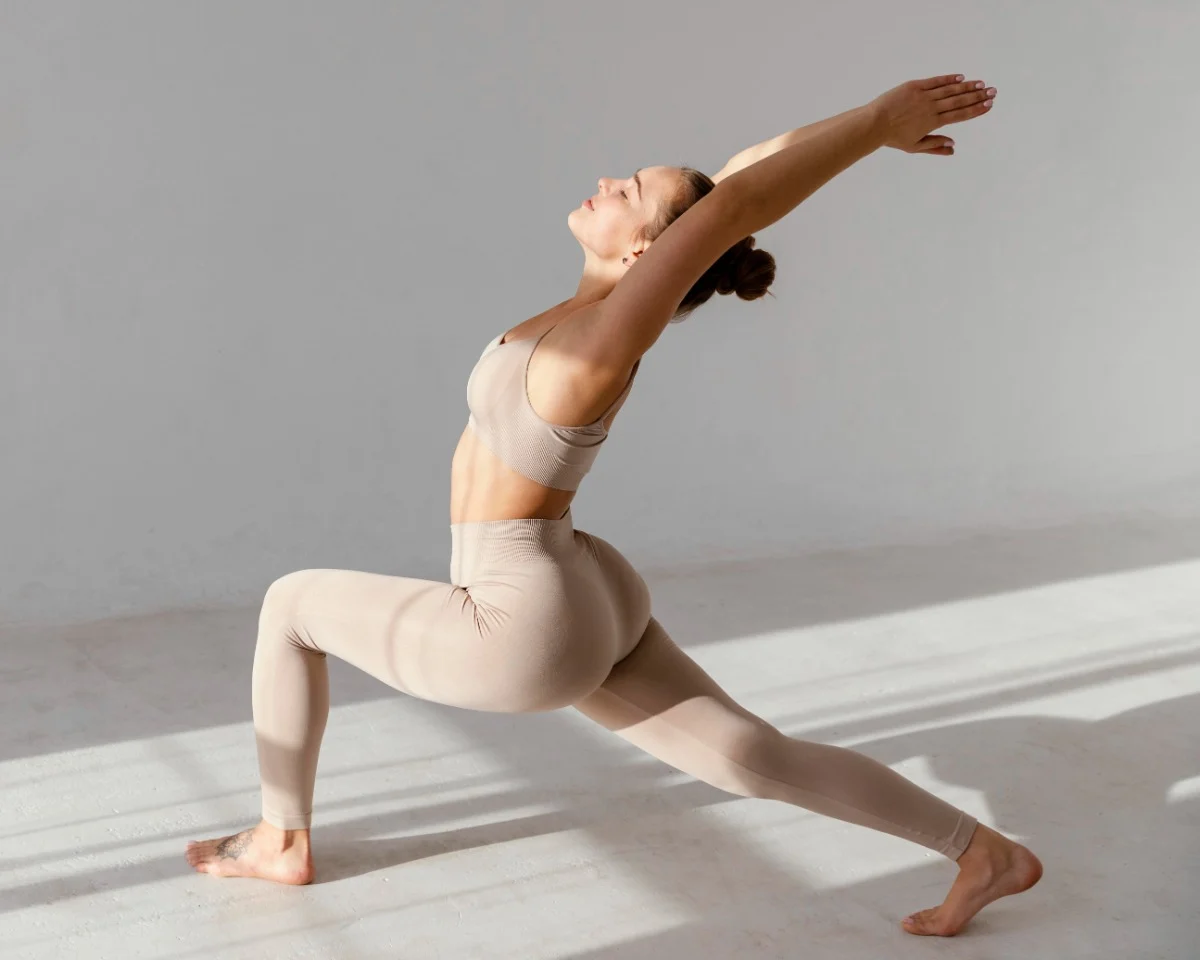
How to Include Yoga in Your Recovery Routine
After intense workouts, the body needs recovery, and yoga is an excellent tool for that. Here are a few ways to integrate it into your routine:
- Use yoga for post-workout stretching – After a workout, add a few minutes of stretching with yoga poses such as “Downward-Facing Dog,” “Cobra,” or “Child’s Pose.” These poses help relax tense muscles and prevent the buildup of lactic acid.
- Yoga for active recovery – On days when you are not training actively, try lighter yoga sessions such as Hatha or Vinyasa. They will help you maintain muscle tone without putting unnecessary strain on the body.
- Practice deep breathing and meditation – Techniques such as pranayama (controlled breathing) will improve recovery by oxygenating the body and reducing stress levels.
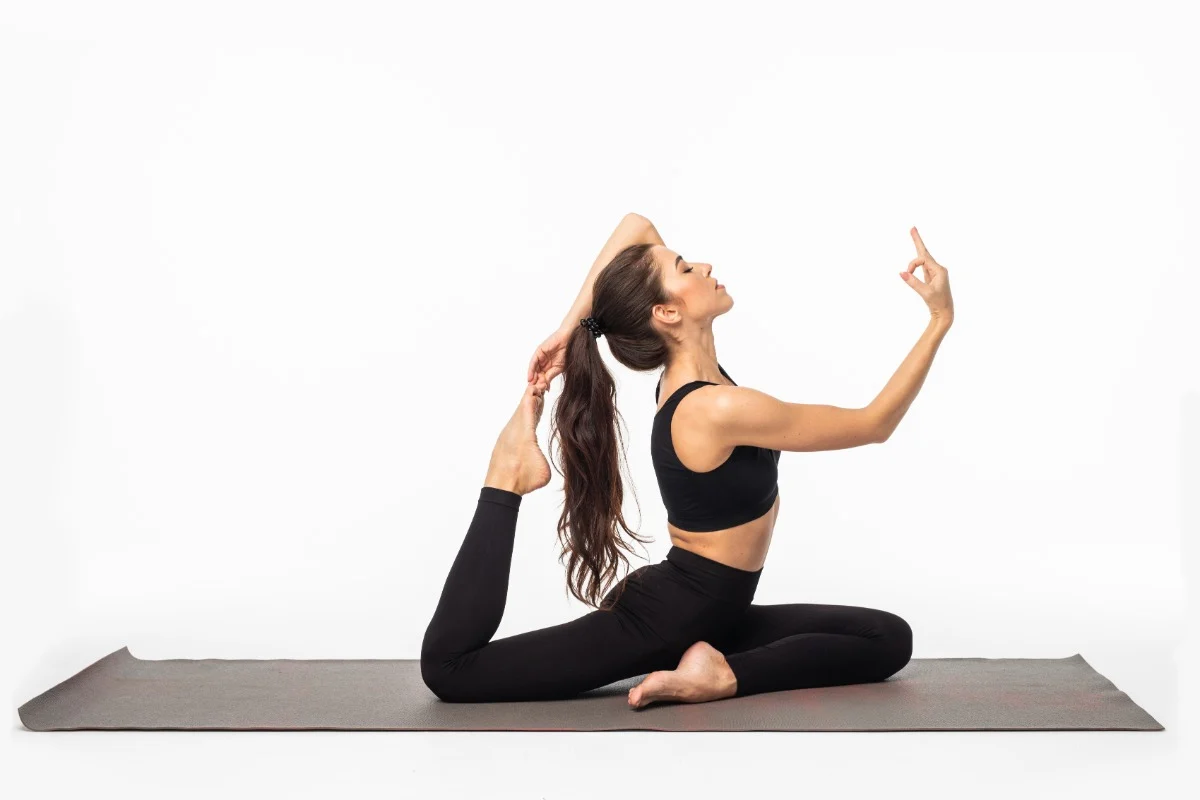
Different Types of Yoga and Which Is Best for Different Fitness Goals
Yoga offers many styles, and each can support different fitness goals. Here are the main types of yoga that can meet your needs:
- Hatha yoga – Suitable for beginners, this practice is slower and focuses on poses and breathing. It is a great choice for stretching and relaxing after a workout.
- Vinyasa yoga – This style is dynamic and requires synchronizing breath with movement. It is suitable for those who want to improve endurance and flexibility.
- Ashtanga yoga – Ashtanga is a more structured and intense style of yoga that includes a series of sequential poses. It is suitable for people with advanced fitness levels who want to increase their strength and endurance.
- Yin yoga – Ideal for active recovery, this style focuses on deep stretching and relaxing the connective tissue. Yin yoga is a great choice for active people looking for a way to recover and relax.
- Power yoga – It is the closest to a fitness workout and focuses on building strength and stability. Power yoga is suitable for those who want to work harder and challenge their body in a new way.
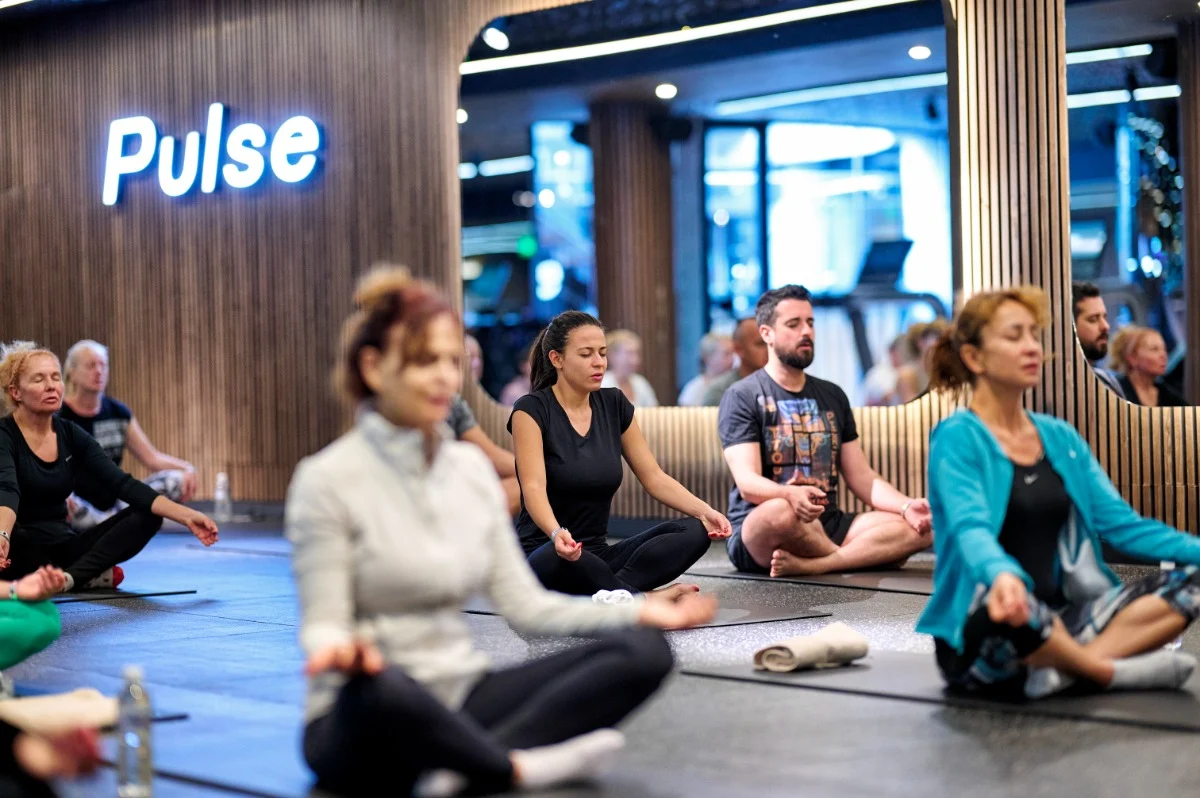
Yoga for everyone at Pulse
If you want to benefit from professional yoga classes, Pulse offers different types of yoga led by experienced instructors. At Pulse, you can find the ideal practice for your level and fitness goals – from stretching and recovery to intense strength workouts. The team of professionals is available to guide and support you in achieving better physical shape and balance. You can explore all the types of yoga Pulse offers here.
How to get started
If you're new to yoga, start with short, easy practices and gradually increase the intensity. Join a beginner class or use online videos that can guide you. Try to practice yoga at least 2-3 times a week to feel the positive effect on your body and mind.
Yoga and fitness can complement each other perfectly, with each practice enriching the other. Add yoga to your routine and you will discover new ways to achieve balance, strength, and mental calm.
Seek professional guidance – Working with an instructor helps you avoid incorrect technique and get the maximum benefits. The professionals at Pulse will help you achieve optimal results.
Conclusion
Practicing yoga alongside fitness improves not only flexibility and mobility, but also contributes to the overall endurance and stability of the body. Yoga poses help strengthen the core muscles and improve posture, which is essential for active people. At Pulse professional instructors will help you choose the right practices and techniques that match your level and goals, ensuring proper technique and safety. This is an ideal solution for those seeking harmony and balance in their physical activity, complemented by support for mental calm and resilience.