

An old saying goes: “Eat breakfast like a king, lunch like a prince, and dinner like a pauper”. This is especially true when it comes to shaping and maintaining a toned figure. A busy daily routine or the mistaken belief that we’ll lose weight fasteroften leads to skipping breakfast. But as we’ve all heard, it really is the most important meal of the day. The body needs the “fuel” and nutrients it provides to get energy for the whole day.
What is a fitness breakfast?
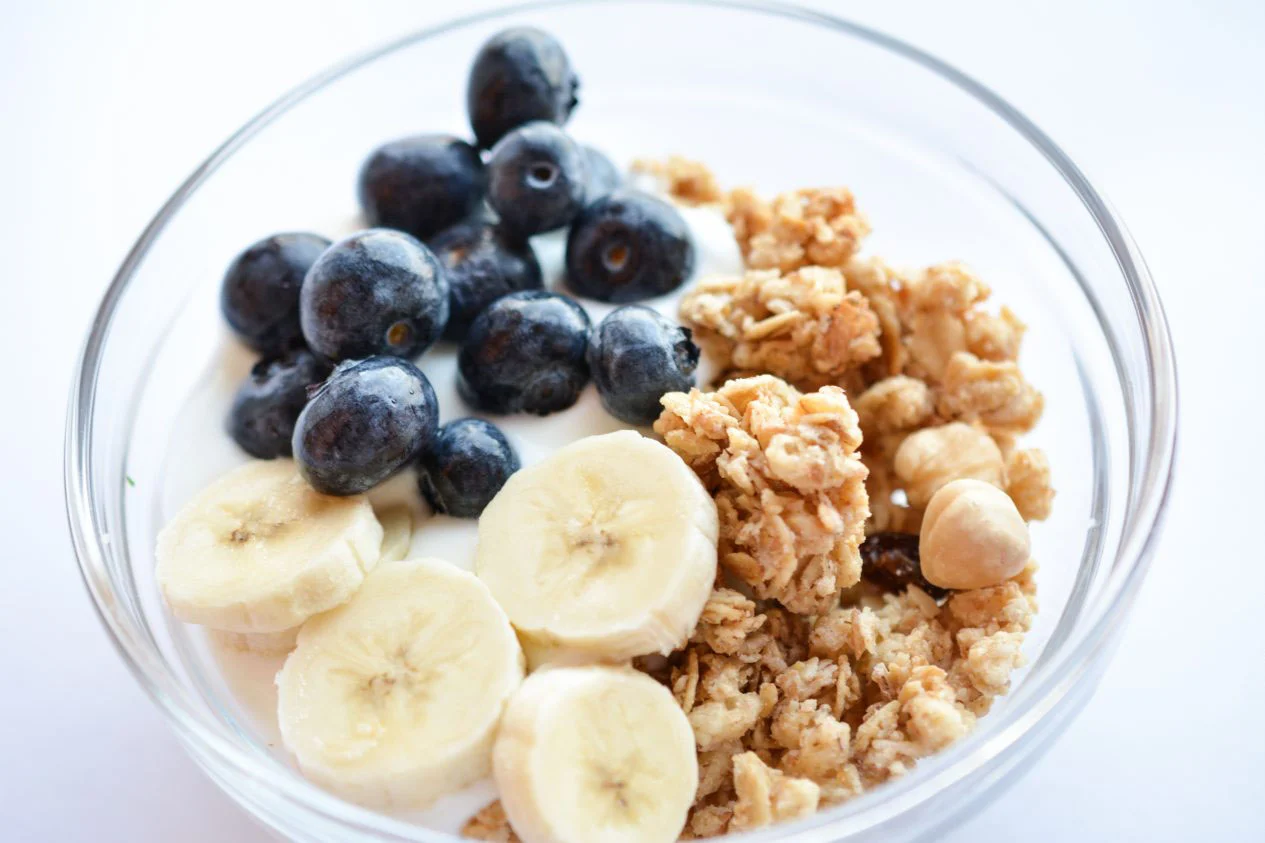
A fitness breakfast contains one or more foods from the following four groups: whole grains, dairy products, protein, fruits and vegetables. Whole grains provide the body with carbohydrates (for energy) and fiber (for good metabolism). Dairy products are rich in calcium and vitamin D, which help keep bones strong. Protein provides the body with amino acids, needed for tissue repair and growth. Fruits and vegetables contain fiber, vitamins, minerals, and phytochemicals, which play an important role in proper cellular processes and protect the body from disease.
Why is it important?
The time between your last meal in the evening and breakfast is usually around 6 to 10 hours. Your body needs the energy breakfast provides to prepare mentally and physically for the day ahead. In other words, breakfast replenishes your body after its overnight fast.
The main benefits of breakfast are that it:
- improves energy levels
- improves memory and concentration
- boosts metabolism
- provides beneficial nutrients, fiber, and calcium
- reduces the risk of overeating later in the day
- stabilizes blood sugar levels
What should you eat for breakfast?
What you eat for breakfast is just as important as whether you eat breakfast at all. Breakfast is more than simply having a bite to eat. The goal is to use food as a source of the energy your body needs to function optimally.
The basic formula to follow when preparing breakfast is to combine carbohydrates, protein, and fruit or vegetables. Carbohydrates give your body and brain enough energy to start the day, while protein helps repair muscles and keeps you feeling full until your next meal.
Examples of these combinations include:
- whole-grain cereals or bread for carbohydrates
- low-fat milk, yogurt, or cottage cheese for protein
- fresh fruit or vegetables
- nuts or legumes
Which foods should you include in your breakfast menu based on your goals?
For muscle gain
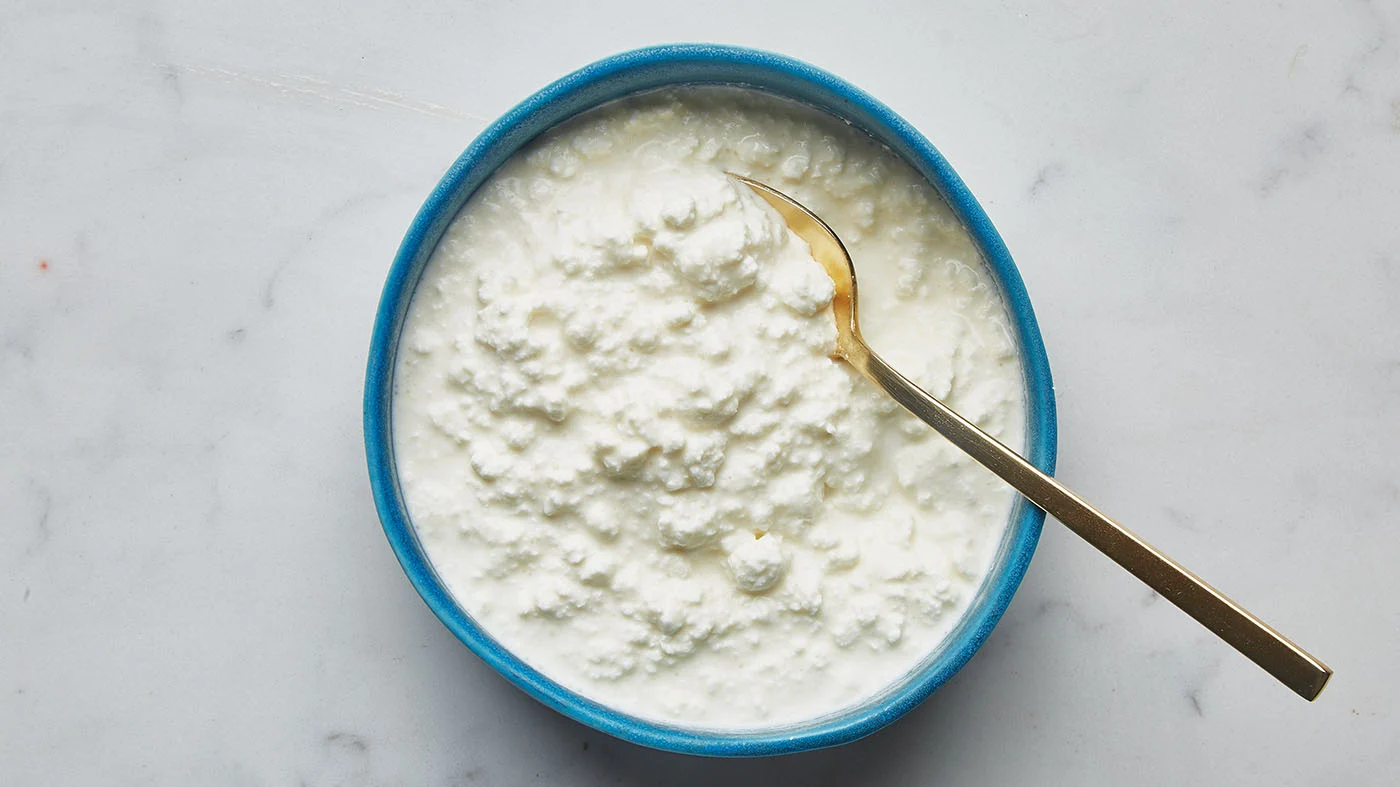
The best foods for building muscle are eggs, cottage cheese, oats, yogurt, and flaxseed.
- Cottage cheese – it features in every bodybuilder’s diet. Every 100 g of cottage cheese contains 11 g of casein protein. It is absorbed slowly into the bloodstream, helping support muscle activity throughout the day;
- Eggs 12.6% of an egg’s weight is high-quality protein. That amounts to 5.53 g. Eating two eggs for breakfast provides 20% of the recommended daily amount. Their complete amino acid profile and high digestibility make eggs one of the best ways to start the day;
- Oats – besides being a great source of minerals, oats also contain slow-release carbohydrates. A 158 g serving provides 607 calories and 26 g of protein. Eating oatmeal for breakfast will give you the energy you need for exercise throughout the day;
- Flaxseed – healthy fats and fiber are very important for building muscle mass and maintaining normal cholesterol levels, and flaxseed is one of their best sources. Add it to a protein shake or to yogurt with oats or fruit;
- Yogurt – it’s an excellent source of protein and immune-boosting nutrients. According to one study, yogurt may increase resistance to autoimmune diseases. If you push your body too hard at the gym, you need to take care of it. Add 1–2 tablespoons to your oats.
For weight loss

- Green tea – The main ingredient in green tea is the antioxidant epigallocatechin gallate (ECGC), which boosts fat oxidation (the process by which the body burns fat for energy). Green tea also contains a high amount of caffeine, which can help improve workout performance;
- Strawberries – are rich in vitamins and fiber, low in calories, and studies suggest they help maintain normal blood sugar levels;
- Pears – Pears contain a high amount of phytonutrients. These are powerful antioxidants that also have anti-inflammatory effects. They help burn fat faster and slow down aging.
- Cinnamon – improves insulin sensitivity and metabolism. It’s a powerful antioxidant and helps fight inflammation and stress. Less stress also means lower cortisol levels, one of the main factors behind weight gain.
How can we add more protein to breakfast?

As we’ve already mentioned, fitness breakfasts should contain an optimal amount of protein. You can get yours by including any of these foods in your morning menu.
Peanut butter
One teaspoon of peanut butter contains 4.5 g of protein. Add it to oatmeal or spread it on a slice of whole-grain bread. For extra sweetness, try it with fresh fruit.
Nuts
If you prefer nuts to peanut butter, simply add one or two tablespoons to your breakfast. Recommended options include hazelnuts, Brazil nuts, walnuts, almonds, raisins, dried sunflower seeds, or dried cranberries. It’s best to soak raw nuts in water beforehand (soaking time varies depending on the type of nut).
Whole grains
High-protein grains such as quinoa, spelt or amaranth can be added to hot oatmeal. A cup of quinoa contains 8 g of protein, a cup of spelt 11 g, and a cup of amaranth 9 g.
Protein powder
Experts say you can choose the protein powder you prefer—whey, egg, pea, and so on. One serving of whey protein contains around 25–30 g of protein.
What are the best foods for boosting brain function?

Walnuts
Neuroprotective compounds are vital for the brain, so it’s a good idea to get them early in the day. For a healthy fitness breakfast, choose walnuts—they’re rich in omega-3 fatty acids, melatonin and folic acid.
Salmon
Salmon is rich in DHA fatty acids, which lower the risk of Alzheimer’s disease and other degenerative conditions. It also helps protect against cardiovascular problems and high blood pressure. For a high-protein breakfast, pair smoked salmon with scrambled eggs.
Blueberries
Blueberries contain anthocyanins —polyphenols that protect brain cells from types of stress associated with the development of Alzheimer’s. They also lower blood pressure and triglyceride levels.
How can we tell if our breakfast is enough?
How much food to eat for breakfast depends on several factors. To achieve the body shape you want, you need to consume enough calories for your body. A typical fitness breakfast contains around 250–300 calories, but this figure can vary.
To calculate how many calories you need at breakfast, first determine your total daily calorie intake. For example, someone who works out 3 times a week and consumes 1,600 calories a day needs around 300–400 calories for breakfast. Someone who works out every day and consumes 2,100 calories a day needs around 500–600 calories.
If you don’t feel hungry early in the morning, there’s no need to force yourself to eat. Instead, listen to your body’s signals and wait until you feel hungry. A good option is to drink a cup of green tea to boost your metabolism, then have breakfast an hour or two later.