

When someone decides to start exercising seriously, the first thing they do is get a gym membership The next step is to buy sportswear, quality training shoes, and a modern protein shaker.
But preparing before a gym visit actually takes much more attention and time. The facts show that when we work out unprepared, we can do ourselves more harm than good. That’s why we’ve gathered the most important things you need to know and do before starting your workout, so it can be as effective as possible for you.
Eating Before a Workout

Tip #1: Don’t skip your pre-workout meal. Eat 1–2 hours before heading to the gym to give your food time to digest. When you’ve fueled your body with the nutrients it needs, you’ll have more energy for your workout, making it more productive. Simple carbohydrates such as fruit, honey, chocolate, wafers, and energy drinks are strictly off-limits. These foods will only raise your insulin levels, giving the false impression that they provide your body with the energy boost it needs. It’s best to stick to the golden 50:50 ratio for your portions (protein to complex carbohydrates).
Read more: Protein: What Should We Know About It?
Read more: Carbohydrates: What Should We Know About Them?
This food combination will give you all the nutrients you need for an intense and effective workout. Protein sources include foods such as chicken, fish, cottage cheese, and egg whites. For complex carbohydrates, you can have brown rice and oats. Don’t forget how you cook your food—no frying! If you don’t have time to prepare a pre-workout meal, you can replace it with a protein shake.
Warm-Up
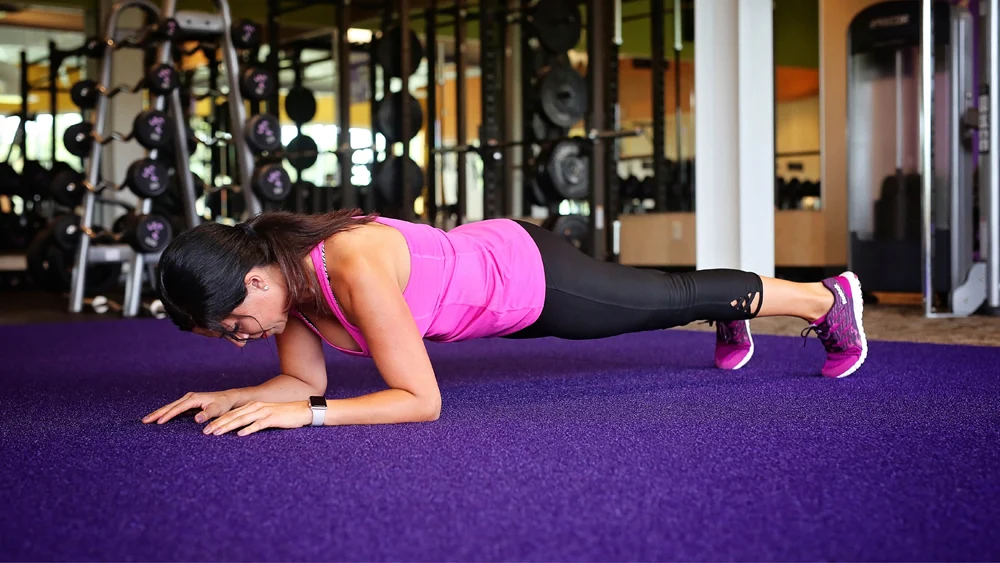
Don’t skip your warm-up before a workout. It takes just ten minutes or so, but offers many benefits. If you skip it, your body will be put under stress as your muscles, joints, and blood vessels have to adapt to changes as they happen. At best, this will leave you with muscle soreness; at worst, a strain or injury. Warming up before a gym workout improves movement quality and workout benefits, increases heat dissipation, and gives your body extra energy. Also, when you warm up properly, you’ll increase the oxygen in your blood and strengthen your body as a whole with the exercises that follow. You can do different warm-ups depending on your upcoming workout. Start with 5–10 minutes of cardio on an elliptical, stationary bike, or by walking on an inclined treadmill.
Read more: Top 5 Most Popular Fitness Equipment and Their Benefits
This will help your body gradually prepare for exertion and adapt to an increased pace and heart rate. Cardio will also get your joints moving and regulate your breathing. Then you can continue with light exercises that warm up every part of your body—from your neck to your toes. There are many standard exercises you can include in your warm-up, such as squats, jumping jacks, high knees, torso circles, and more. You can also add weights as you progress.
Nutritional Supplements

Nutritional supplements are extremely useful and help people who work out reach their goals faster. It’s recommended that you take these supplements 30–40 minutes before your workout—the body can absorb them and they can take effect during this optimal window. Choose a supplement based on your goals, whether you want to lose weight or build muscle. In either case, consulting a professional trainer is essential to get sound advice on which supplement is best for you and your fitness level.
Read more: Supplements and Fitness: Which Ones Are Right for Beginners and Advanced Athletes?
If you want to lose excess inches and pounds, focus on supplements that help burn excess fat quickly and flush out retained water. These include L-carnitine and fat burners. Their main purpose is to transport fatty acids to the mitochondria, where they are oxidized to produce and release energy. These supplements can also help you burn excess fat quickly, boost your energy during workouts, and reduce muscle fatigue after a gym session.
Read more: Amino Acids in Fitness: What You Need to Know
To build muscle mass, you can try BCAAs. Taking BCAAs before a workout helps reduce muscle breakdown. According to a study by Nagoya University in Japan, taking this supplement after an intense workout helps reduce muscle soreness and improve muscle recovery.
Hydration

We all know how important water is for people who work out. But a common mistake during training is drinking too much water. Yes, we should drink more water, but spread it throughout the day. Many people who work out forget to drink water during the day and then overdo it during their workout. The problem is that the body can process up to one liter per hour, so it’s best not to overload it. A glass of water 15–20 minutes before your workout is enough to refresh you and provide the energy you need.
You can also drink water during your workout, as your body can lose around one and a half liters of fluid during intense exercise. As a result, your blood thickens and less oxygen reaches your brain and muscles. Keep track of your water intake so you don’t lose strength. We recommend taking a few sips (2–3) every 10–15 minutes to replenish your body and make your workout more effective. Try to stay hydrated throughout the day, as good hydration means fewer toxins in your body and more defined muscles.
Read more: All About Fruit in the Diet of Someone Who Works Out