

Anyone who takes their health seriously puts a lot of effort into their workouts, but also understands that simply going to the gym isn’t enough to achieve their goals. That’s why it’s also important to follow a meal plan. It should be balanced and followed just as strictly as your training plan.
But beginners and experienced gym-goers alike ask two important questions: what should you eat before and after working out? In short, your body needs “fuel” before a workout, so it can withstand the physical exertion, as well as enough nutrients after your workout to replenish depleted protein and carbohydrate stores. The best approach to post-workout nutrition is to tailor it to your goals.
Why is post-workout nutrition important for our goals?
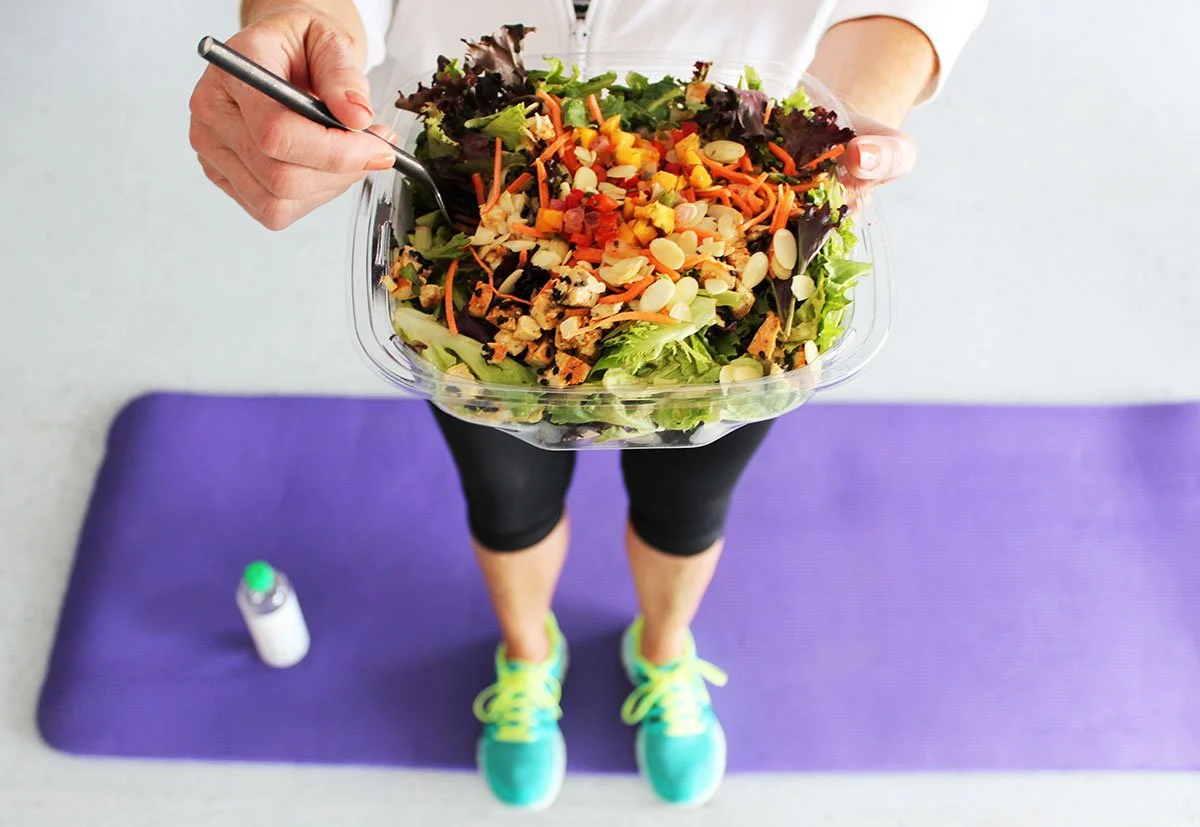
To understand how a balanced meal can help after a workout, it’s important to know how physical activity affects your body. During a workout, your muscles use their glycogen for “fuel” and this leads to its partial depletion. Glycogen is stored glucose, which is important for the body because it supplies it with energy. In addition to glycogen, proteins also play an active role during exercise, as protein breakdown takes place in the muscles, especially during strength training.
Replenishing these stores is the body’s first priority as soon as you finish exercising. Consuming the right nutrients supports and speeds up this process. Of particular importance is consuming carbohydrates and protein immediately after a workout. This helps the body:
- reduce muscle protein breakdown
- increase muscle protein synthesis, which leads to muscle growth
- restore glycogen stores
- choose and speed up recovery
Regardless of whether your training goals are weight loss or muscle gain, including a post-workout meal is essential for both.
Protein, carbohydrates and fats after a workout – what and how much should you consume?
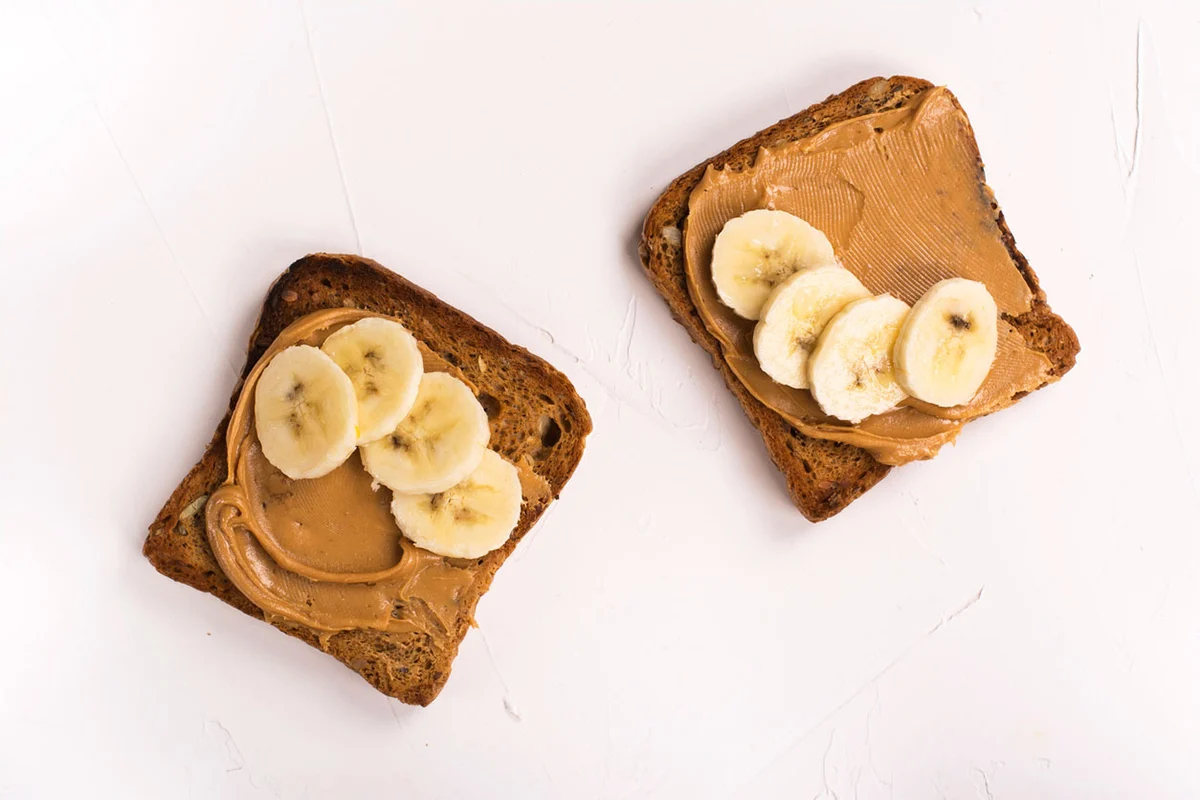
Protein helps repair and build muscle
Exercise triggers muscle protein breakdown. The rate at which this happens depends on the type of exercise and its intensity. Consuming an adequate amount of protein after a workout provides your body with the amino acids it needs to repair and rebuild these proteins. It also provides the building blocks needed to build new muscle tissue.
The recommended amount of protein to consume shortly after a workout is between 0.3 and 0.5 grams per kilogram of body weight. Various studies show that consuming 20-40 grams of protein increases the body’s ability to recover after a workout.
Carbohydrates also support recovery
The body’s glycogen stores are used as fuel during exercise, and consuming carbohydrates afterward helps replenish them. As with protein, the rate at which glycogen stores are used depends on the activity.
Consuming 1.1-1.5 grams of carbohydrates per kilogram of body weight within 30 minutes after training provides enough to replenish glycogen stores. If you train very frequently (for example, twice a day), it is recommended to increase the suggested amount of carbohydrates per kilogram of body weight to 2–2.2 grams.
Fat is not the enemy
Many people think that eating fat after a workout slows digestion and inhibits nutrient absorption. Although fat in a post-workout meal can indeed slow the absorption of other nutrients, it won't affect the benefits fat provides as part of an overall diet.
A study some time ago showed that whole milk is more effective at stimulating muscle growth after a workoutthan skim milk. Another study found that eating a high-fat meal after exercise does not affect muscle glycogen synthesis. However, fat intake after a workout should be limited.
How should foods be combined after a workout—and should they be combined at all?
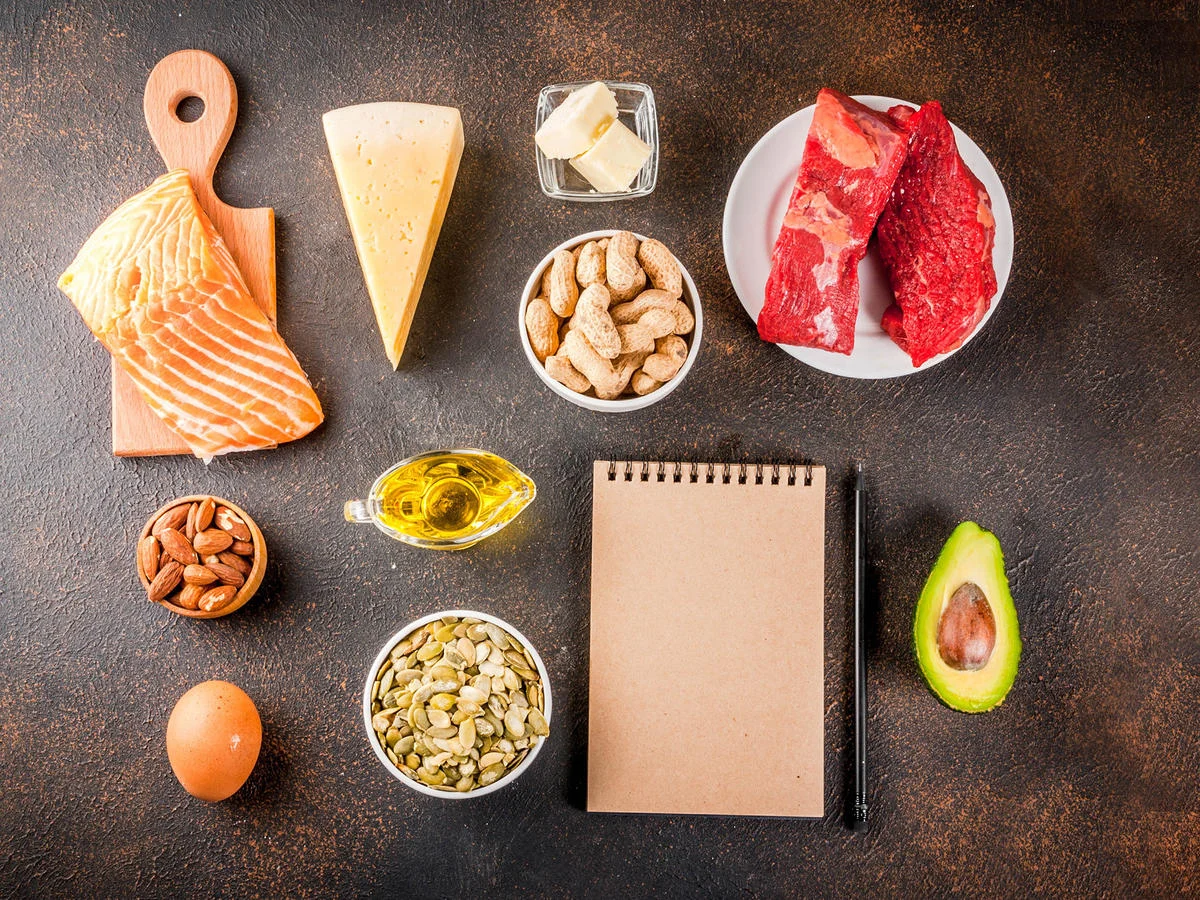
For optimal results, a post-workout meal should include foods that provide both protein and carbohydrates, ideally in a ratio of 1:3—or 30 grams of protein to 90 grams of carbohydrates. This is because insulin secretion, which promotes glycogen and protein synthesis, is better stimulated when complex carbohydrates and protein are consumed together.
How soon after a workout should you eat?
The body's ability to replenish glycogen and protein increases after a workout. For this reason, it is recommended to consume a combination of carbohydrates and protein as soon as possible afterward. Although there is no need to follow an exact time frame, many experts recommend that you eat your post-workout meal within 45 minutes of finishing your workout. It is thought that delaying carbohydrate intake for just two hours after exercise can result in 50% lower rates of glycogen synthesis.
What are the most and least beneficial foods to eat after a workout?
The main purpose of eating after a workout is to give your body the right nutrients to help it recover quickly and maximize the benefits of your workout. Choosing easily digestible foods will speed up nutrient absorption.
Here are some options for each type of macronutrient:
Beneficial foods
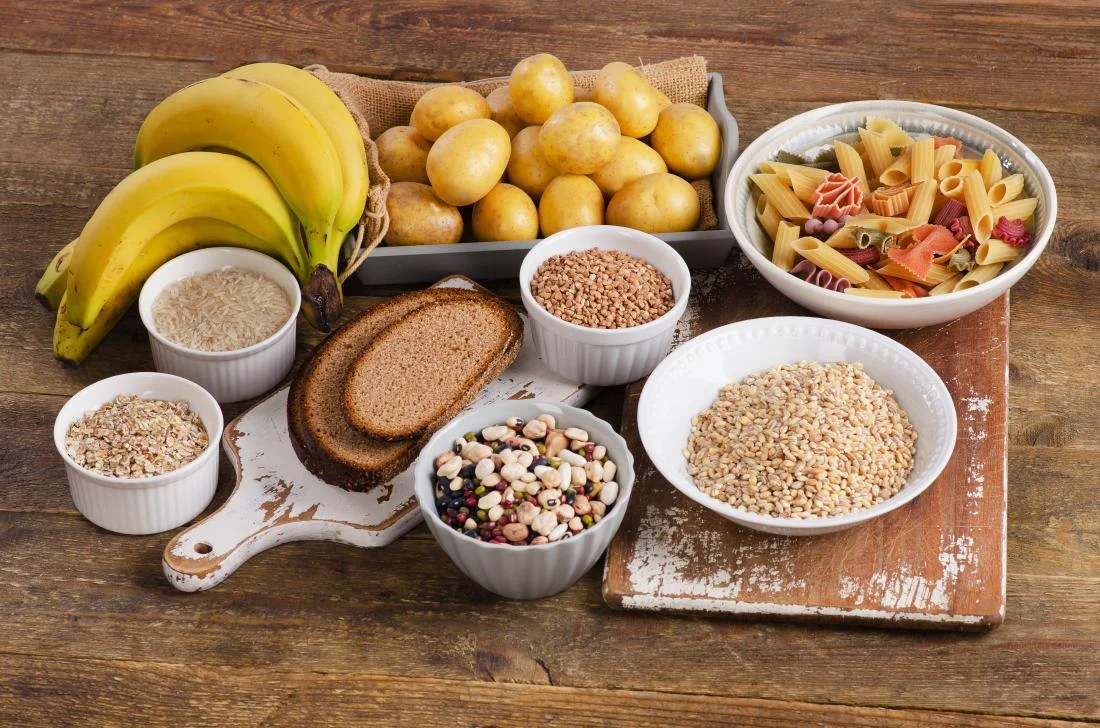
Carbohydrates
- Sweet potatoes
- Quinoa
- Fruit (pineapple, berries, bananas, kiwi)
- Rice cakes
- Rice
- Oatmeal
- Potatoes
- Pasta
- Dark leafy greens
Protein sources
- Animal- or plant-based protein powder
- Eggs
- Yogurt
- Cottage cheese
- Salmon
- Chicken
- Protein bar
- Tuna
Fats
- Avocado
- Nuts
- Nut butter
- Trail mix
Unhealthy foods

- Energy bars, unless they’re from a trusted source and don’t contain processed sugars or artificial sweeteners
- Fried food, junk food, processed foods
- Fried eggs
- Sugar-sweetened drinks, such as “sports” drinks
- Desserts
- Caffeine
- Alcohol
Don’t rely on water alone, either. While hydration is essential, it isn’t enough.
Sample post-workout meal plan
Combining the foods listed above can make delicious meals that provide all the nutrients you need after a workout.
Here are a few examples of quick and easy post-workout meals:
- Grilled chicken with roasted vegetables
- Omelet with avocado spread on toast
- Salmon with sweet potato
- Whole-grain tuna salad sandwich
- Oatmeal with whey protein, banana, and almonds
- Rice cakes with peanut butter
- Whole-grain toast and almond butter
- Yogurt, fruit and muesli
- Protein shake and banana
- Quinoa with fruit and nuts
Should we take supplements after a workout?
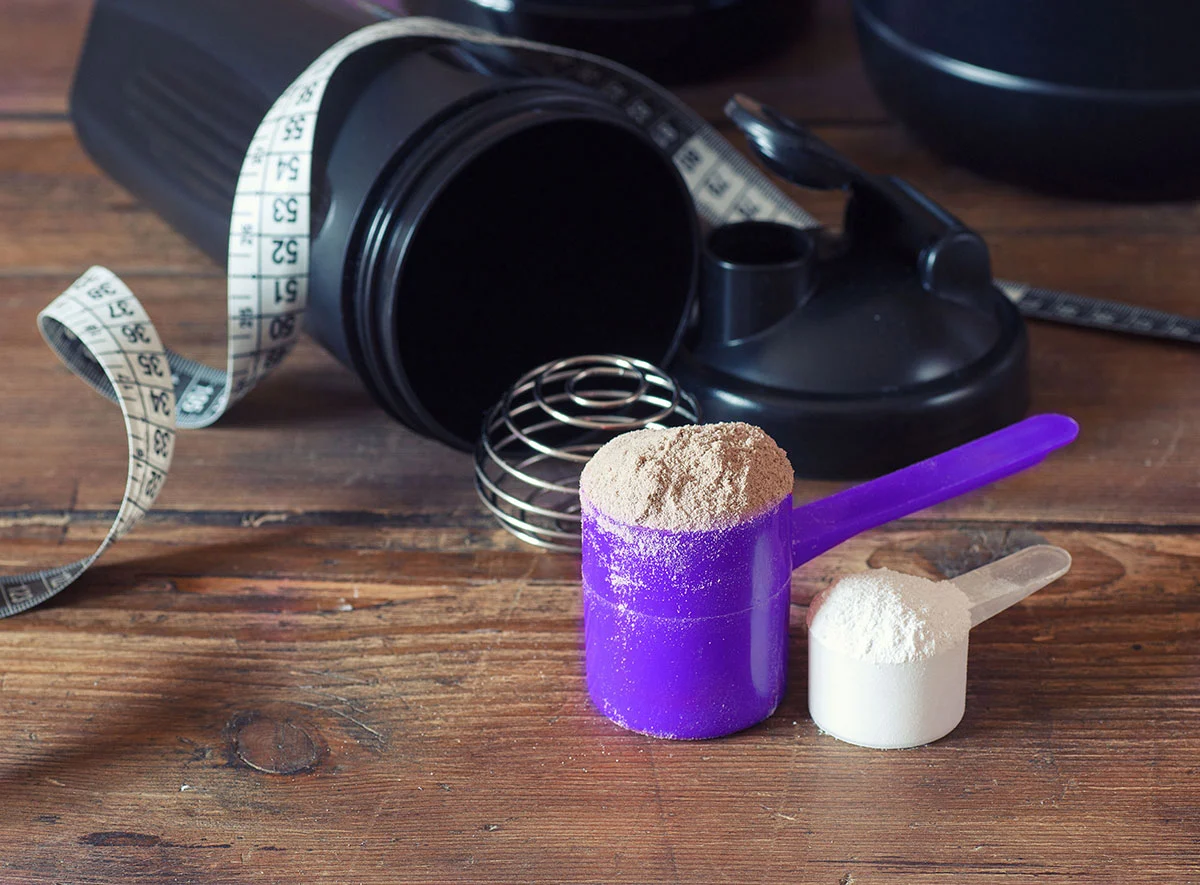
Supplements taken before and after a workout offer different benefits. The former provide an “energy boost” and help the body build endurance, allowing for longer workouts, while the latter are intended to support recovery and muscle growth.
Some supplements designed to be taken after a workout include glutamine, BCAAs (branched-chain amino acids), casein protein and others. They specifically help muscles grow. If your goal is not only to tone and shape your body but also to lose weight, omega-3 (fish oil) is one of the proven and recommended post-workout supplements. It promotes fat burning and muscle protein synthesis.
Which supplements are most suitable, and whether you need to take them at all, is a matter of individual assessment best made by a professional or your personal fitness trainer. Their recommendation will take into account your fitness routine and your ultimate goal.