

Have you ever wondered why you’re sometimes full of energy and manage to complete your workouts quickly and easily, while on other days it’s just the opposite—you have no energy for anything? One sure reason for this is when and what you eat before going to the gym. In fact, when it comes to quality training, eating before and after your workout is a key factor in achieving good results and meeting your goals.
Why eat before a workout?
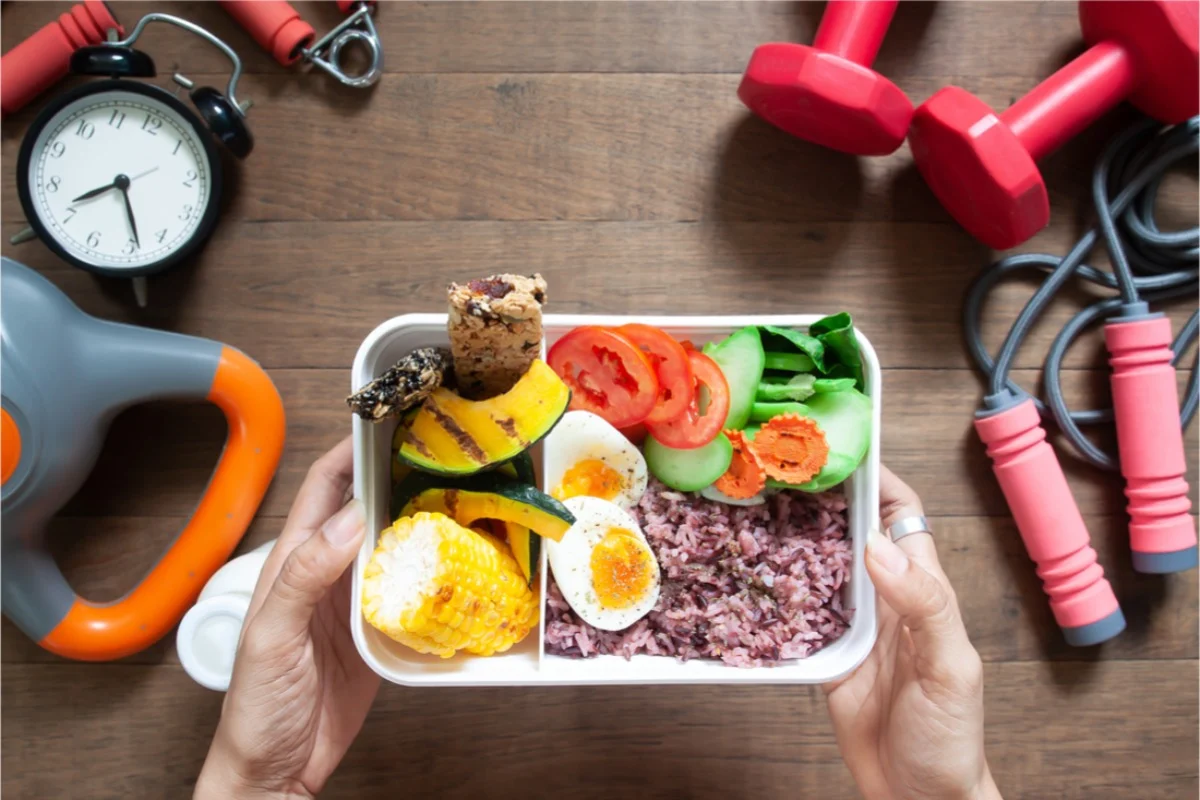
Contrary to popular belief, a good workout routine actually starts with food. This helps keep blood sugar levels stable immediately before your workout and throughout it, which means your body will have the energy it needs to perform the exercises effectively.
Simply put, if you haven’t eaten, it’s better not to work out at all.
In addition to providing more strength and energy, another role of pre-workout nutrition is to slow down the breakdown processes in the body, which intensify during physical activity. This ensures that all the important nutrients are available in sufficient quantities, so you can build muscle mass, while also loses weight.
Eating before a workout reduces the depletion of muscle glycogen. During exercise, the body converts glycogen into glucose, which plays an important role in muscle contractions. To prevent glycogen storesfrom running low, they need to be replenished, and this is done through food. This is where carbohydrates play their part.
Next, eating before a workout reduces the breakdown of muscle proteins, making it possible to increase muscle massand helping the body recover faster after exercise.
What should we eat before a workout, depending on our goal?
When it comes to eating before a workout, everyone advises making sure to consume protein. The truth, however, is that your pre-workout meal should be balanced and include carbohydrates and fats, which help you perform exercises well and burn body fat. However, the most suitable foods depend on your individual goals, as well as the time of day you work out. For this, you should seek advice from a specialist.
Weight Loss/Fat Loss

When the fitness goal is to burn fat and therefore lose weight, pre-workout meals should focus on protein,less on carbohydrates and least on fats, but there should still be some of everything. In these cases, it is recommended to avoid light snacks 30–60 minutes before a workout and follow a routine of eating 1–2 or 2–3 hours before exercising. The idea is that when the goal is weight loss, you need to reduce your calorie intake, so meals are limited.
Gaining weight/muscle mass

The foods recommended before a workout aimed at weight loss are no different from those for gaining weight and, consequently, muscle mass. The only difference is the quantity. In this case, protein intake should be even higher.
Workouts aimed at gaining muscle mass focus on strength exercises, which require even more energy. So even if you’ve planned a pre-workout snack 2–3 hours before your workout, you can have something light 30–60 minutes before you start—something rich in protein and easily digestible carbohydrates. These ingredients will boost and energize your body.
What are the best and worst foods to include in your pre-workout menu?
Some foods are more recommended than others when it comes to eating before a workout. Here they are.
Recommended foods
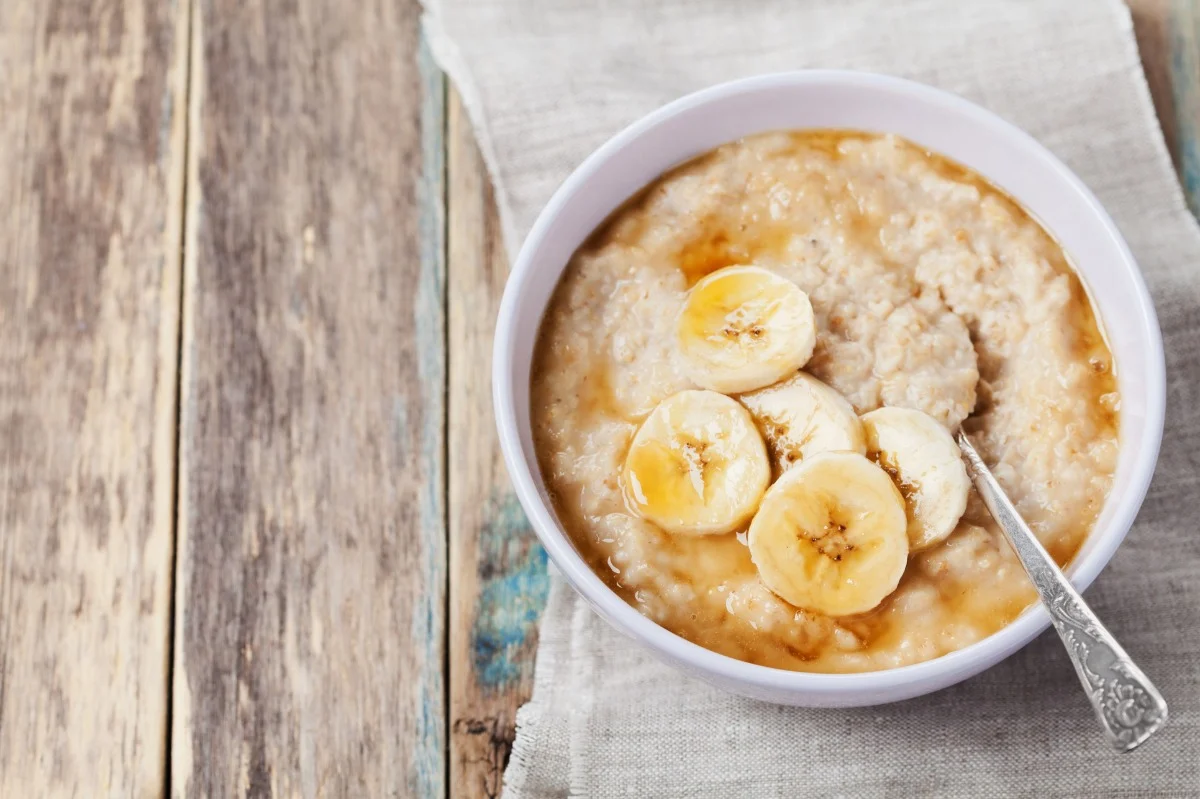
Bananas
Known as nature’s energy bar, bananas are packed with carbohydrates and potassium, which support your body’s nerve and muscle function.
Oatmeal
Oats are rich in fiber, which means their carbohydrates are “released” gradually into the bloodstream, keeping energy levels steady throughout your workout and helping you exercise for longer. Oats also contain a large amount of vitamin B, which helps turn carbohydrates into energy.
Dried fruit
Dried fruit is a quick, easy and good pre-workout food option— apricots, figs, pineapple, strawberries, raspberries, blackberries. It is a good source of simple carbohydrates, which are easy to digest and provide the energy you need quickly.
Fruit with yogurt
Fruit is rich in carbohydrates, while yogurt is rich in protein. Why do they go well together? Because the carbohydrates in fruit break down quickly and fuel your workout, giving you plenty of energy. Protein, on the other hand, is stored for a little longer and helps prevent muscle damage and overexertion. Fish, eggs, sweet potatoes and avocados are also good choices.
Foods to avoid
Protein bars
Don’t be fooled – many of the protein bars sold in stores are actually junk food in disguise. If they contain more than 200 calories and too little protein (less than 10 grams), they can cause your blood sugar to drop, leaving you feeling more tired during your workout. If a protein bar contains fewer than 200 calories and has a 1:1 sugar-to-protein ratio, you can eat it before working out, as this combination can help maintain your energy levels.
If you really want an energy snack, choose only trusted sources, such as the protein and fresh juice bars at your Pulse club.
Nuts
Although healthy fats are an important part of an overall diet, eating nuts before a workout can have a negative effect because they take longer for the body to digest. The goal of a pre-workout meal is to prepare your body for the upcoming exertion. This means that by the time you start your workout, the food you ate beforehand should already be digested and ready to use as fuel. You can benefit from healthy fats if you eat them an hour and a half to two hours before exercising.
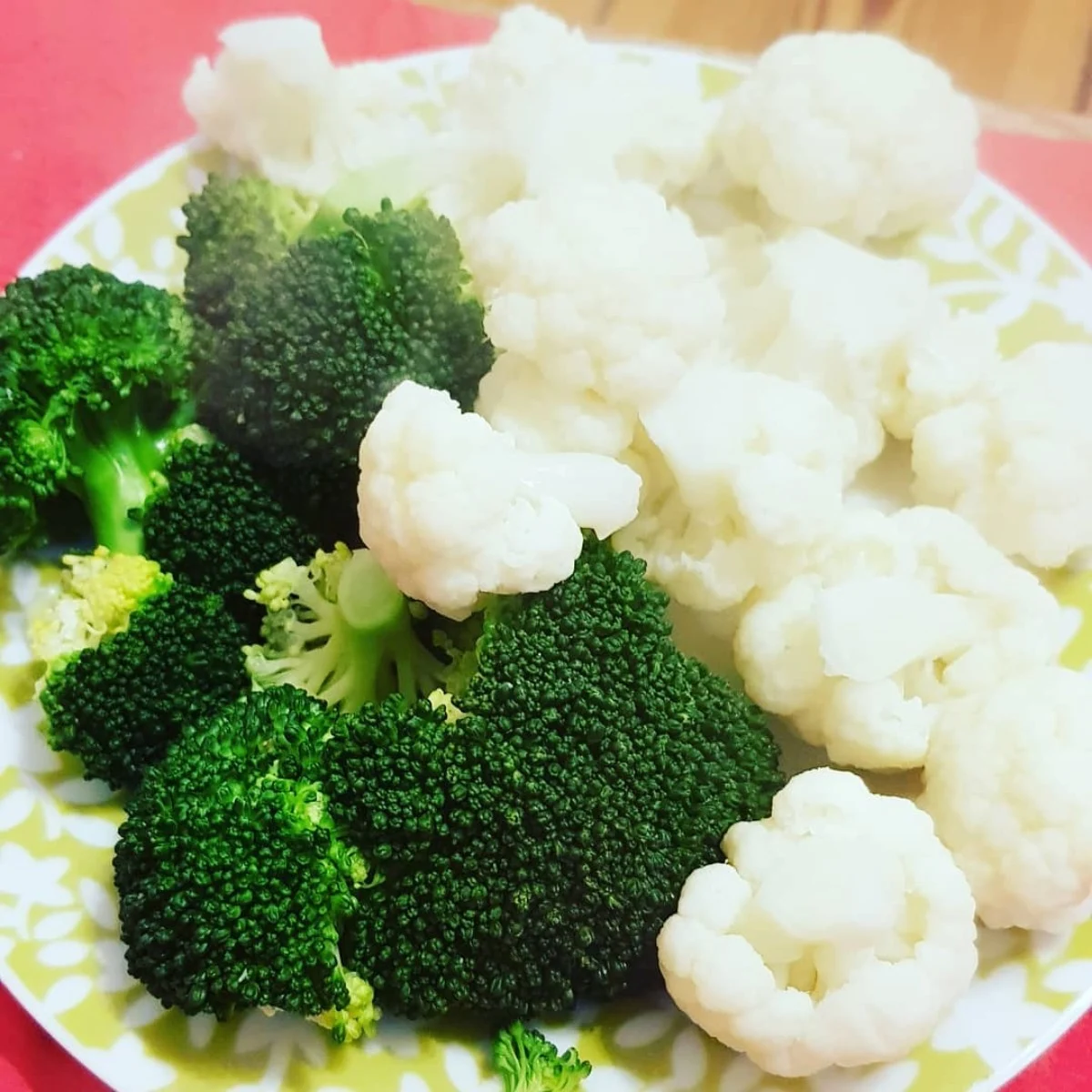
Broccoli, cauliflower, Brussels sprouts
Cruciferous vegetables like broccoli, cauliflower and Brussels sprouts are important foods that should be part of every diet. However, when it comes to eating before a workout, it’s better to avoid them. That’s because they are high in raffinose – a trisaccharide, which cannot be digested in the gastrointestinal tract and may cause bloating and gas.
Fresh juice
Freshly squeezed juice contains carbohydrates that are important for preparing your body before a workout. However, drinking a glass of fresh juice right beforehand isn’t a good idea. It is high in fructose – a sugar that isn’t absorbed quickly and may cause stomach cramps.
Fresh juice is rich in vitamins, but they aren’t fully absorbed because it passes straight through the body, raising insulin levels, which then leads to low blood sugar and fatigue. Sweets, fried foods and spicy foods should also be left off your pre-workout menu.
Protein, carbohydrates and fats before a workout – which should you eat more of?
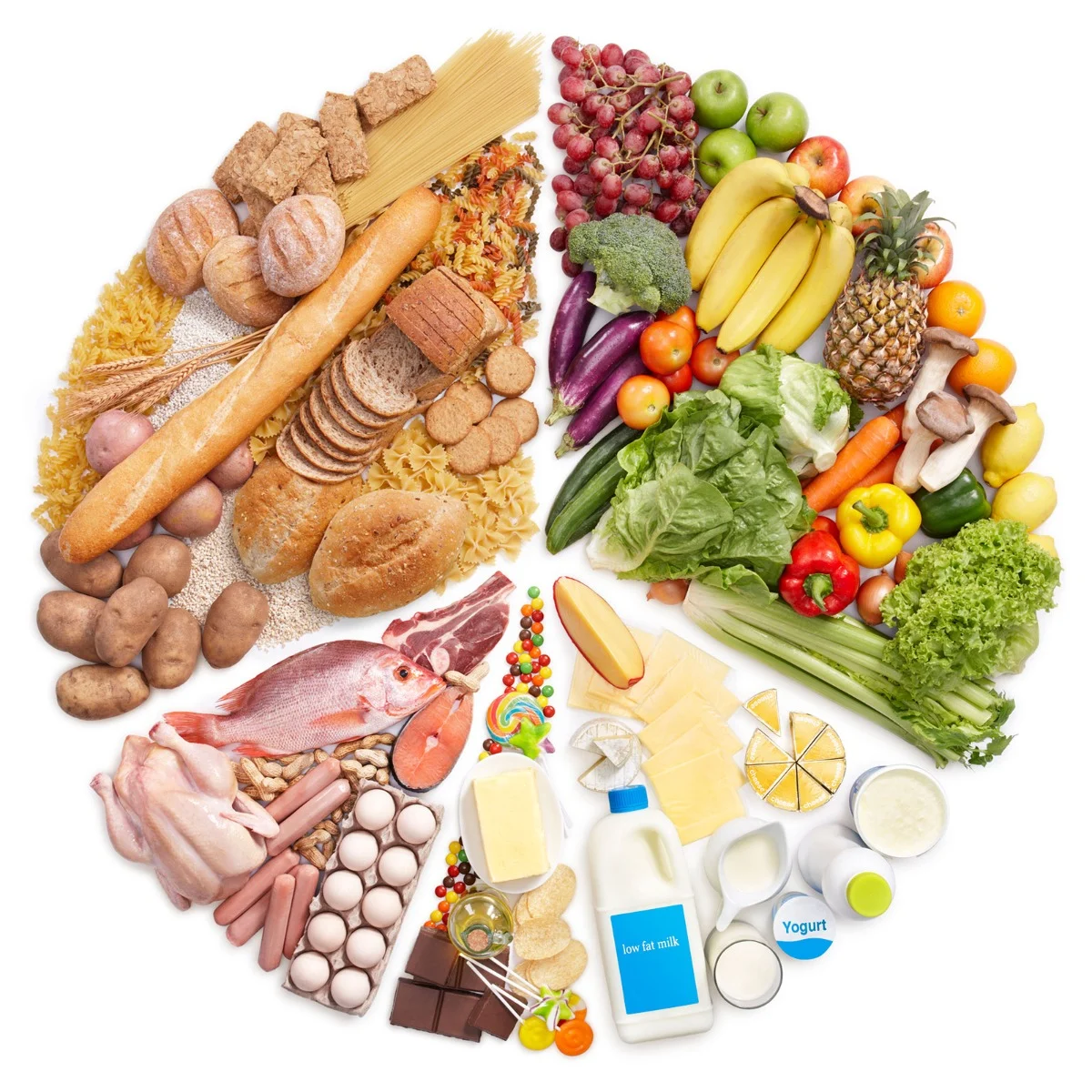
Each macronutrient has a specific role before a workout. However, the proportions you should consume vary depending on the person and the type of exercise. Usually, though, the emphasis protein.
How to combine them and why?
To get the most out of your workout, eat a meal rich in all macronutrients — carbohydrates, fats, and protein — 2 to 4 hours beforehand. Quinoa, whole grains, tofu, chicken breast, fish, and vegetables are good options.
If you eat 1–2 hours before your workout, focus on carbohydrates and protein and less fat, aiming for 20 grams of protein, 20–40 grams of slow-digesting carbohydrates, and 5 grams of healthy fats.
Limit fats 30 to 60 minutes before your workout, focus on carbohydrates and have less protein. Yogurt with fruit is the best option.
Should we take supplements before a workout based on our goals?
If you follow a good diet there’s no need to take supplements before a workout. However, they’re well suited as meal replacements. One example is whey protein powder, which can be used for both weight loss and muscle gain. You can also add creatine to build muscle mass or BCAAs (an anti-catabolic supplement, which supplies the body with these branched-chain amino acids) for toning and weight loss.