

We all know that a balanced diet is key to getting in shape. To achieve this, we need to get the nutrients we need in healthy proportions. To do so, we need an effective plan for consuming the three essential macronutrients: protein, carbohydrates and fats.
In this article, we’ll look at the importance, benefits and characteristics of protein.
Protein is associated with building muscle mass. It helps maintain the body’s energy balance. But that’s far from all it does. This macronutrient is part of almost every type of cell—it plays a vital role in building tissue and regulating the activity of the body’s organs and systems.
That’s why it’s extremely important to get enough protein. The minimum and optimal daily amount depends on various factors, such as age, weight, activity level, sex, and so on. There is a certain daily minimum we should aim for. Based on widely accepted findings from numerous scientific studies, we can estimate that an average of 0.8–1 grams of protein per kilogram of body weight is needed for the body to function properly.
Protein is made up of different types of amino acids, some of which the body can synthesize on its own. Others, however, need to be obtained by consuming certain foods or supplements. Different foods contain different types and amounts of these amino acids. Depending on their amino acid content and composition, proteins obtained from different types of food can be broadly divided into two groups:
Complete—contains all the essential amino acids. Sources of complete protein include animal products and soy.
Incomplete—contains only some amino acids. Sources of incomplete protein include many plant-based foods, including legumes, nuts and grains.
Main high-protein foods:
-
Eggs
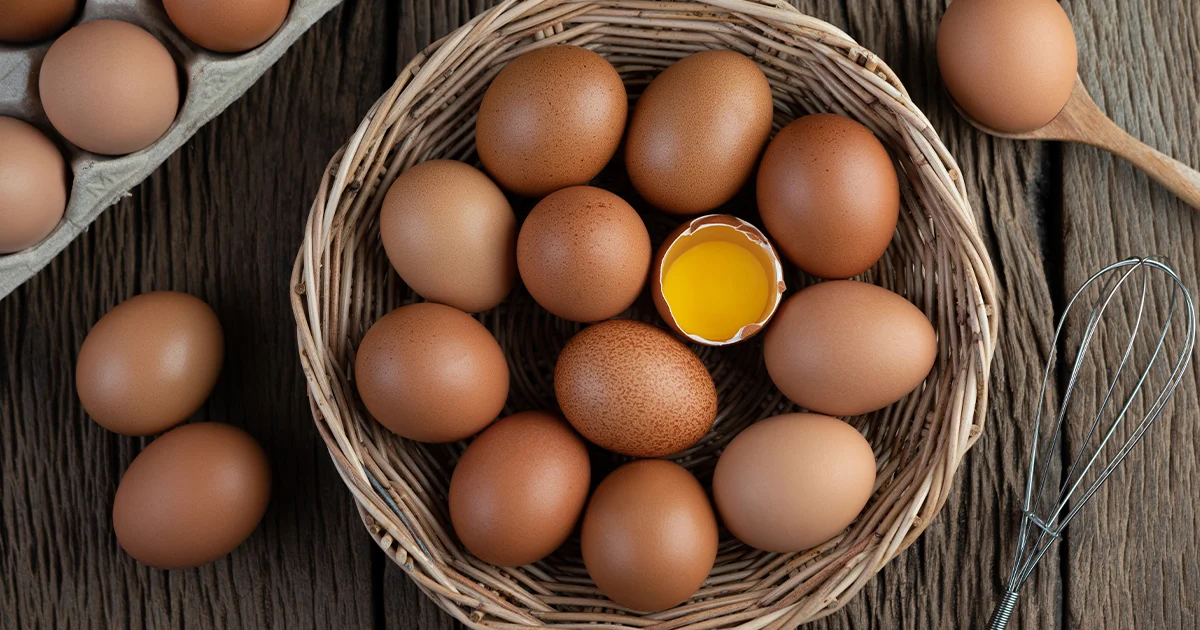
Eggs are one of the most complete sources of protein. One medium-sized egg contains 6–8 grams of protein, providing all the essential amino acids in optimal proportions. They contain varying amounts of almost all vitamins (A, B12, B2, B5, B9, E) and minerals, including calcium, selenium, iron, potassium, zinc, manganese and many others.
-
Meat

Meat is one of the most popular and protein-dense food sources. Some types of meat contain a lot of protein, but also higher amounts of fat. The best sources of protein are those that offer the most protein per calorie. Great choices include turkey breast (about 41 g of protein per 200 calories), chicken breast (about 37.5 g per 200 calories), pork tenderloin (34.2 g per 200 calories) and beef tenderloin (31 g per 200 calories).
-
Fish and seafood

Fish is an exceptionally valuable source of protein. It contains almost all essential amino acids, except methionine and threonine. Fish fat provides valuable omega-3 fatty acids, including the well-known EPA and DHA, which are associated with a number of health benefits for blood pressure, the immune system, nervous system, brain function and more.
-
Nuts
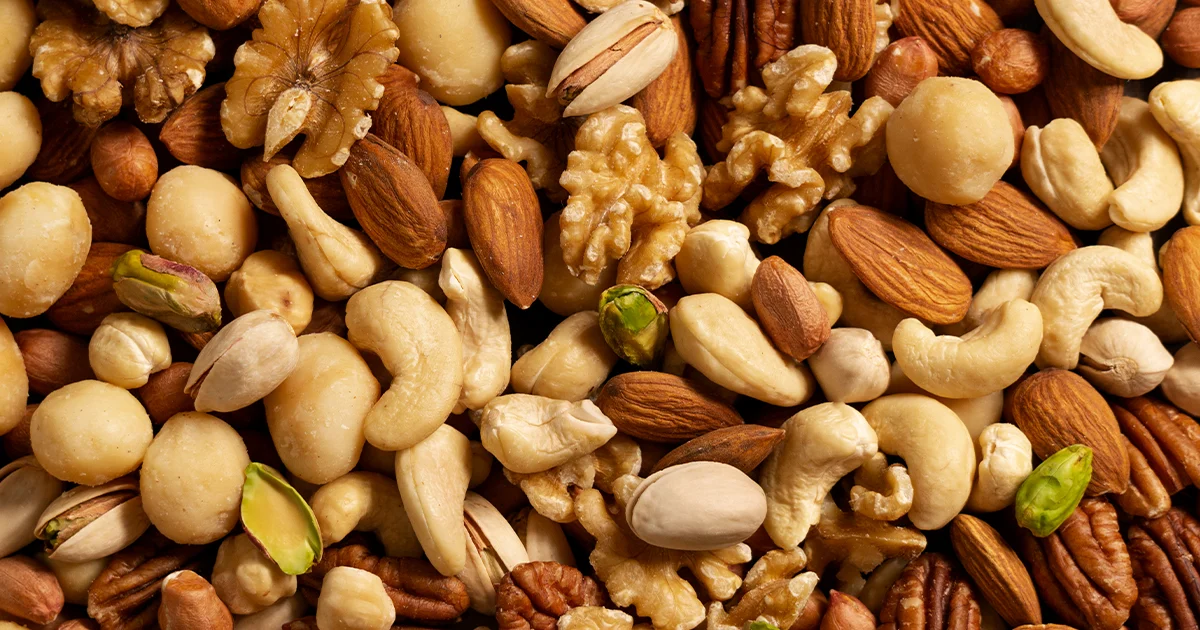
Nuts are a great source of protein, fiber, minerals and antioxidants. They are high in monounsaturated and omega-3 fatty acids, known for their health benefits. Monounsaturated fatty acids help reduce “bad” cholesterol (LDL) and increase “good” cholesterol (HDL). Almonds are among the most popular nuts that are high in protein. They are low in calories while providing plenty of important nutrients, such as fiber, vitamin E and magnesium. Other good choices among protein-rich nuts and seeds include hazelnuts, pumpkin and sunflower seeds, cashews, chia seeds and more.
-
Dairy products
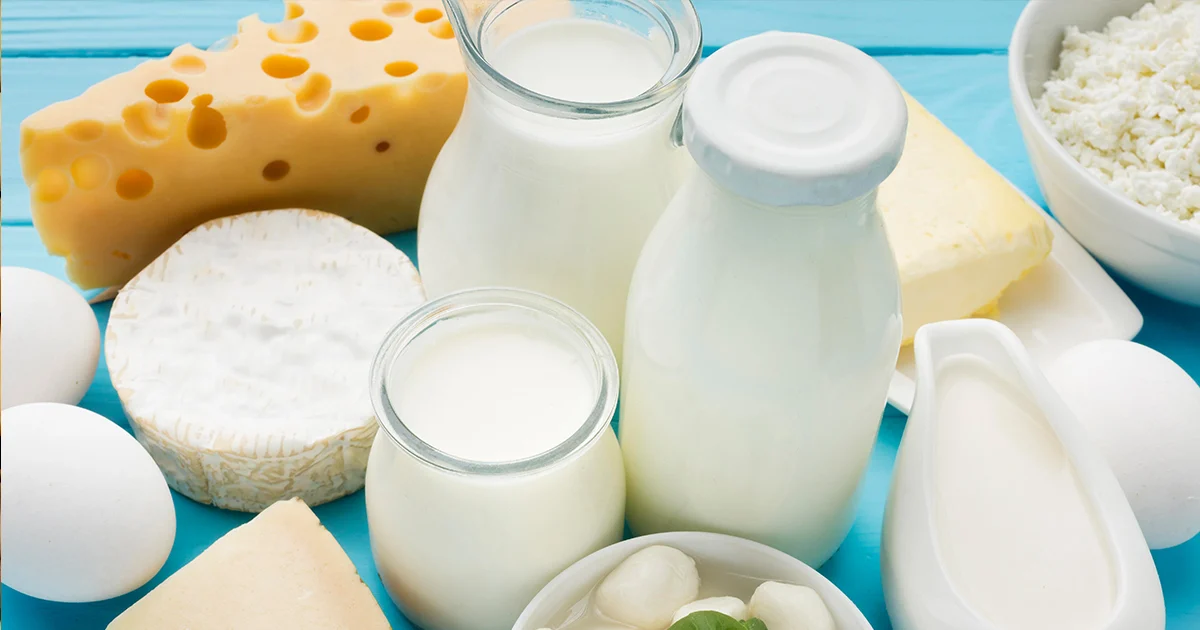
Dairy products such as yogurt, Greek yogurt, cottage cheese and regular cheese are considered complete protein foods. They provide all essential amino acids. Dairy foods are a valuable source of protein and contain two main types: whey protein and casein. Whey protein is digested quickly and easily, while casein is digested slowly. Protein concentration varies between dairy products depending on the type and the production method and process. For example, skimmed milk and additional straining increase the protein concentration of a product.
-
Legumes
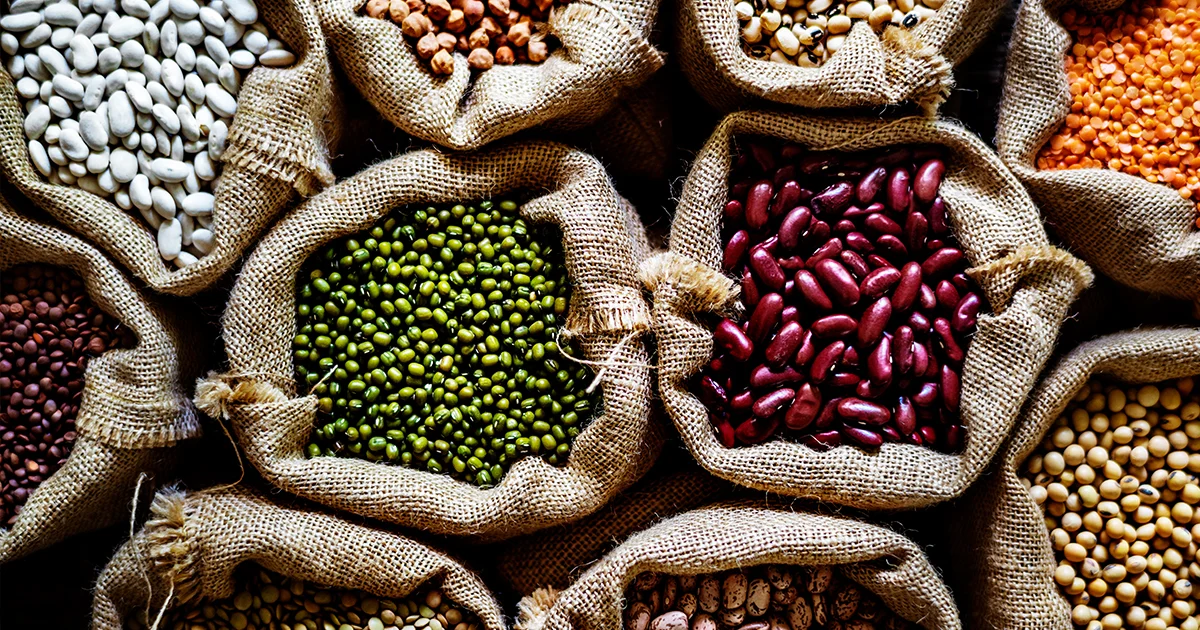
Legumes are a rich source not only of protein, but also of fiber, vitamins and minerals. They offer a number of health benefits, including lowering cholesterol and blood sugar and increasing beneficial gut bacteria. Some of the most popular protein-rich legumes are:
– Chickpeas (19 g of protein per 100 g). Chickpeas are high in fiber and help improve gut balance and lower blood sugar;
– Lentils (9 g of protein per 100 g). Lentils are rich in iron and offer many health benefits, including lowering blood sugar and reducing bad cholesterol;
– Beans (15 g of protein per 100 g). Beans are a rich source of fiber, vitamin B9, iron and magnesium.
-
Soy products
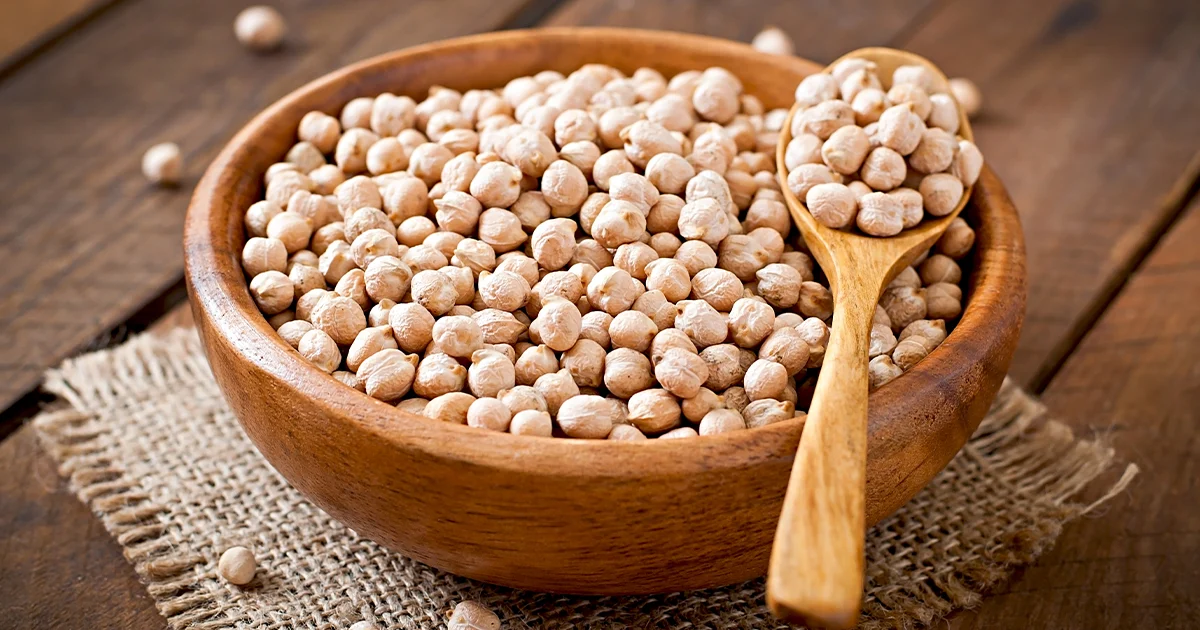
Soybeans are a rich source of protein and fiber. Soy is the best plant-based source of complete protein. It contains almost all essential amino acids, except methionine, and offers a number of health benefits. Soy is a great alternative to dairy and meat protein sources.
-
Grains
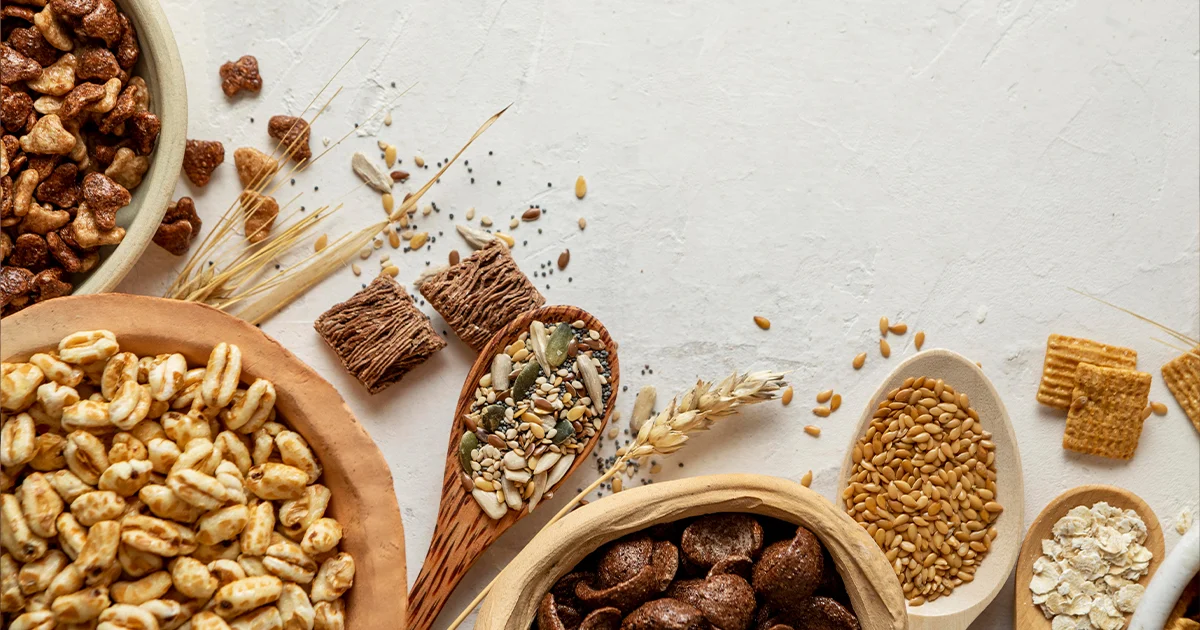
Grains are among the most important plant-based sources of protein. Unrefined whole grains are the best choice, as they contain the highest concentration of protein. Some of the most nutritious, protein-rich grains include quinoa, amaranth, kamut, spelt, oats, rice, wheat, teff, buckwheat and more.