

Zinc is one of the micronutrients, which are important for the normal functioning of our body. Our body cannot produce it on its own, so we need to get it from food or supplements. This micronutrient supports a healthy immune system, proper brain function, as well as the activity of hundreds of enzymes and protein synthesis.
The recommended daily dose of zinc depends on age. It is 8 micrograms (mg) for women and 11 mg for men. The recommended dose is also 11 mg for pregnant women.
Excessive intake of this micronutrient or a deficiency can cause significant disruptions in the body.
Signs of zinc deficiency include hair loss, brittle nails, skin problems, a weak immune system and loss of appetite. Regularly taking too much can cause nausea, headaches, vomiting and stomach problems.
Foods highest in zinc:
Oysters and seafood
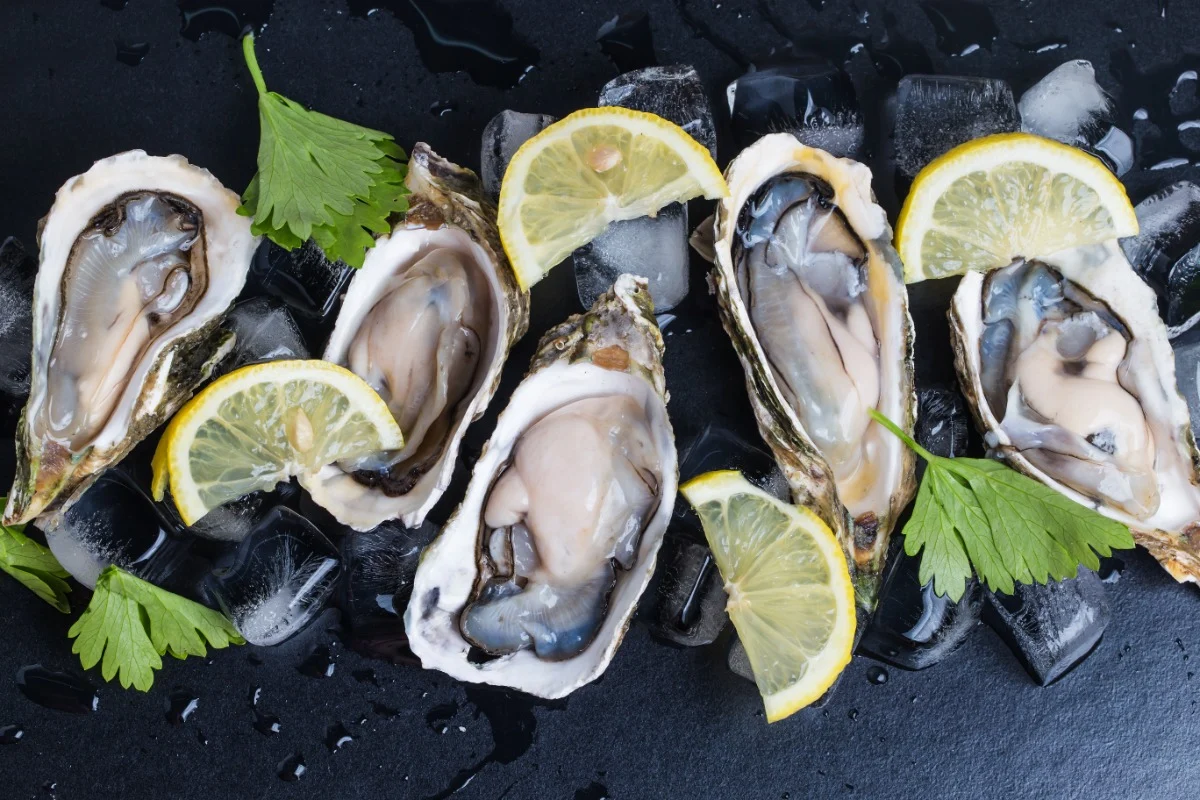
Oysters undoubtedly top the list. Of all foods, they contain the most zinc.
· Canned oysters – 100 g contain 91 mg.
· Baked oysters – 100 g contain 61 mg.
· Raw oysters – 100 g contain 40 mg.
Other seafood we can add to the list includes crab, lobster, sardines, shrimp and fish.
Meat
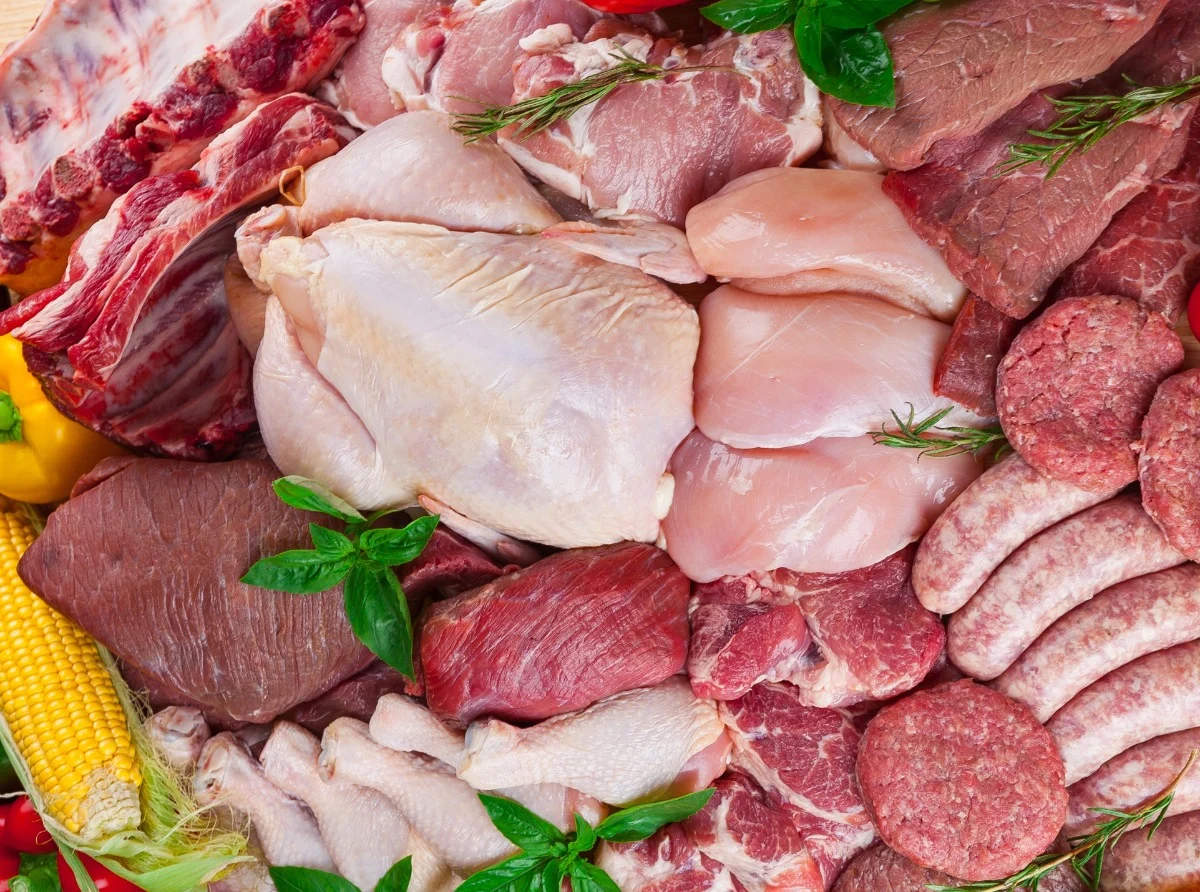
· Chicken – 100 g of meat contains 4.76 mg;
· Lamb – 100 g of meat contains 4.74 mg
· Turkey – 100 g of meat contains 2.51 mg;
· Pork – 100 g of meat contains 2.23 mg;
· Beef – 100 g of meat contains 2.10 mg.
Eggs

· Fried eggs – 100 g contains 1.39 mg.
· Boiled eggs – 100 g contains 1.05 mg.
Given the recommended amount of this mineral, getting the required daily dose shouldn’t be a problem. This is not entirely true for vegans, because zinc is found mainly in animal products. However, there are also plant-based sources of this micronutrient: seeds (pumpkin, hemp, sesame), legumes (chickpeas, lentils, beans), nuts (peanuts, cashews, almonds), rice, cherry tomatoes, and broccoli.