

Avocado is often called a “superfood,” and for good reason. In fact, it ranks among the healthiest foods. Thanks to its many health benefits, it is often included in the diets of people who work out.
How Is Avocado Beneficial for Fitness?
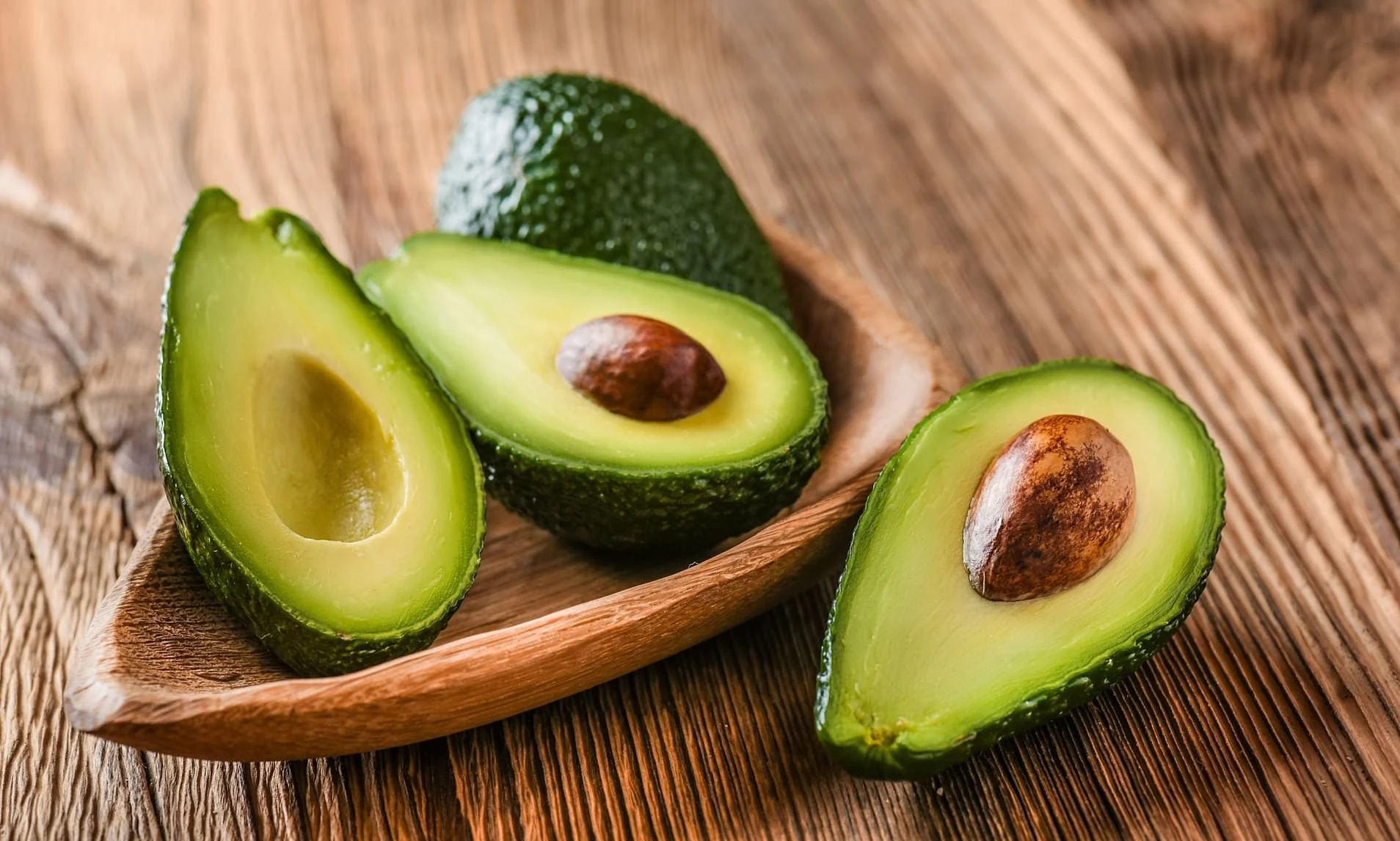
Healthy Calories, Fiber and Fats
People who work out often feel very hungry throughout the day. This hunger can lead them to consume more calories than they burn at the gym, which is not ideal, especially when following a diet plan. The good news is that avocado can help. Just half a fruit is enough to increase feelings of fullness by 23%.
According to a study, avocado is more effective than carbohydrates at satisfying hunger because it is packed with healthy fiber and fats—nutrients that keep you feeling full. Each fruit contains around 13 grams of fiber and nearly 30 grams of fat, most of it monounsaturated.
Helps Combat Risk Factors for Metabolic Syndrome
Metabolic syndrome is a combination of certain risk factors that together increase the risk of developing serious diseases. According to a study published in Nutrition Journal, eating avocado significantly lowers bad cholesterol levels, improves overall health, and thereby reduces the risk of metabolic syndrome.
A Source of Potassium
Avocado is one of the foods richest in potassium. Half a fruit contains around 450 mg of this mineral. By comparison, one whole banana contains around 350 mg. This mineral is essential for improving fitness, as it is involved in almost every process in the human body, including digestion, muscle contraction, blood pressure regulation, nerve impulse transmission, and the processing and absorption of all nutrients. Much of the body's potassium is lost through sweat, which is why people who work out are advised to eat foods rich in this mineral.
A Valuable Source of Energy
Every athlete wants their body to run like a well-oiled machine, and avocado can help. In addition to unsaturated fatty acids, the fruit contains vitamins B6 and B5—nutrients that help convert carbohydrates into energy.
Boosts Endurance
Eating avocado before a workout significantly boosts endurance. This is thanks to its healthy fats, which provide energy for longer.
How Does It Fit into an Athlete’s Diet? What Foods Does It Pair Well With?

Avocado can be eaten before and after a workout. Its nutritional content makes it a source of valuable nutrients that the body needs both to perform exercises effectively and to recover faster afterward. Avocado has a mild, subtle flavor and pairs easily with almost any food. It can be used in salads, soups, smoothies, or sandwiches.
Before a workout
When eaten before a workout, avocado supplies the body with calories, or energy, which it uses during exercise. Avocado toast is a suitable, quick, and easy option to prepare. Spread 1/3 of an avocado on a slice of whole-grain bread, and you’re all set. This will provide around 80 calories, 4 g of carbohydrates, 8 g of fat, and 1 g of protein.
After a workout
The monounsaturated fats in avocado help the muscles worked during exercise recover. The fruit also contains B vitamins, which help turn nutrients into energy, boost vitality, improve nervous system and muscle function, and speed up metabolism. Much of this is used up during every workout, and eating avocado can easily replenish the body’s levels.
Who can benefit from avocado, and who should avoid it?
Avocado is not recommended for people with a latex intolerance, as it may trigger an allergic reaction. In all other cases, the fruit is beneficial to eat, regardless of your fitness goal.
Don’t let the fact that avocado is a relatively high-calorie fruit put you off. In fact, eating it may support weight loss through several mechanisms. As mentioned, its high content of unsaturated fats can help shed excess pounds, while its fiber and complex carbohydrates keep you full and regulate your appetite.
Avocado is also suitable for those looking to gain muscle mass, as it is a good source of energy and increases endurance.
Avocado nutritional value

One medium-sized avocado (about 100 g) contains:
- Calories: 227
- Fat: 21 g
- Carbohydrates: 12 g
- Fiber: 9.2 g
- Protein: 2.7 g
- Sodium: 11 mg
- Sugars: 0.4 g
Fat
About 80% of the calories in avocado come from monounsaturated fats. Oleic acid is the most abundant and has many beneficial effects on human health. It stimulates cell receptors to lower bad cholesterol levels, helps protect against cardiovascular disease, boosts glucose metabolism, and improves the body’s immune functions.
Fiber
Fiber supports weight loss, regulates blood sugar and lowers the risk of various diseases. One fruit contains around 30% of the recommended daily intake.
Micronutrients in avocado
Avocado is a valuable source of vitamins K, C, and E, folic acid, riboflavin (vitamin B2), niacin (vitamin B3), pantothenic acid (vitamin B5), and pyridoxine (vitamin B6). It also supplies the body with magnesium, potassium, copper, and manganese.
100 g of avocado contains the following amounts of vitamins as a percentage of the recommended daily intake (RDI):
- Vitamin K: 26% of the RDI
- Vitamin C: 17% of the RDI
- Vitamin E: 10% of the RDI
- Folic acid: 20% of the RDI
- Potassium: 14% of DV
- Pantothenic acid: 14% of DV
- Pyridoxine: 13% of DV