

We’re used to imagining exhausting hours on the treadmill or cross trainer at the gym whenever we hear the word “cardio.” Many people find cardio at the end of a workout tedious, but still necessary if their goal is a slimmer figure. Others prefer to take their cardio outdoors, where running or cycling is a more enjoyable activity.
There are also various alternatives that burn just as many calories, but in unconventional ways. They’re easy, accessible, and lots of fun.
Here’s our list of cardio activities for beginner fitness enthusiasts eager to try new experiences.
Folk Dancing
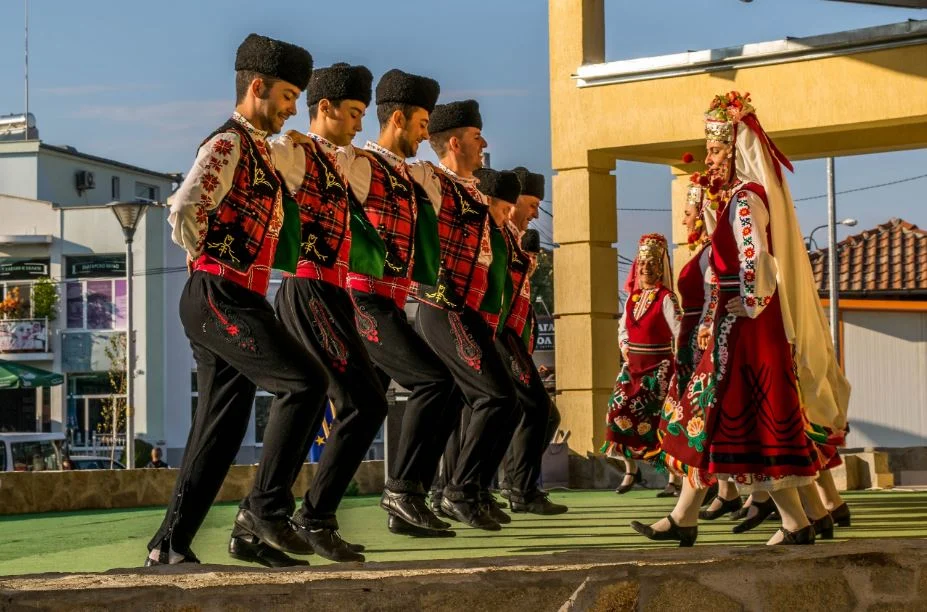
Bulgarian folklore is something we should truly be proud of. Rich in traditions, it carries the spirit of generations before us. Folk music and dance are part of our heritage, and wherever we go, they’ll always be a part of us. What’s more, traditional circle dancing is a fantastic way to burn excess fat and build endurance. You don’t need to have graduated from a dance school to take part. More and more dance schools are opening beginner classes. The biggest and most prestigious fitness centers are doing so, too.
Read more: Kangoo Jumps in Focus: Lots of Fun, Even More Cardio
Folk dancing gives you an incredible sense of belonging, and when it becomes a group activity, you’ll soon feel part of the team. To join a group folk-dance workout, all you need is comfortable shoes and sportswear. Don’t underestimate this activity—you’ll be surprised by how intense it can be. An hour of dancing and traditional circle dancing will burn at least 700 calories. With regular practice, you’ll quickly get in shape and improve your cardiovascular health. Folk dancing will improve your breathing, boost your endurance, and fill your day with energy.
Hiking
Have you ever been hiking in the mountains, only to be overtaken by an elderly man while you’re already out of breath? Hiking is not only a very healthy hobby, but also a great way to keep your body and mind young. Walks in nature strengthen the immune system and improve breathing and heart function. All that walking will tone your lower body and strengthen your leg joints. Your calves, too.
Read more: 5 Reasons to Swap Walking for Cycling
Hiking requires special footwear and equipment, however, as mountain terrain is uneven, the weather is cooler, and conditions can change suddenly. If you decide to take it up, be sure to hire a guide who knows the area and can help you in an unexpected situation.
Rock Climbing
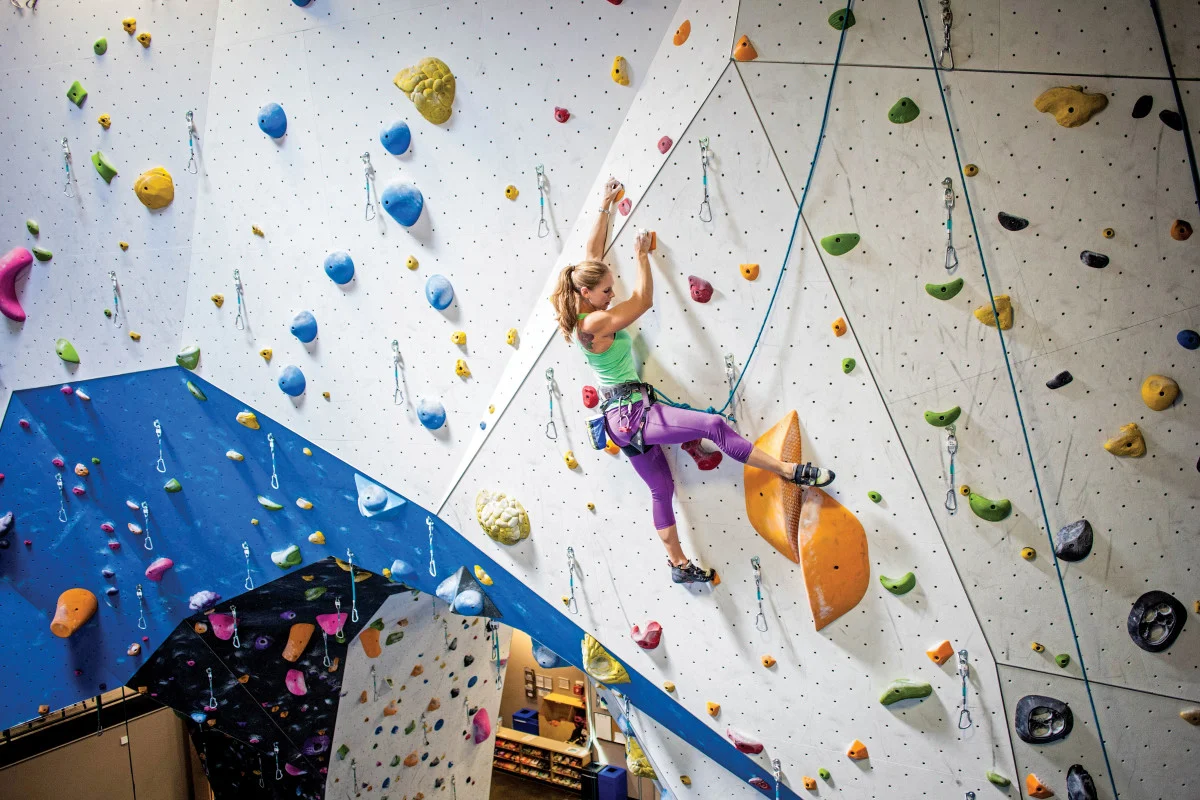
Rock climbing is a fantastic full-body workout because it engages every muscle. Another bonus is that you can do it both outdoors and indoors on an artificial climbing wall. Indoor climbing is much more accessible and suitable for people of all ages. There are special climbing walls for younger climbers, too. Rock climbing is a more extreme sport and requires a great deal of concentration. While climbing, you’re secured with special ropes to protect you from falling. Indoor climbing gyms also have safety ropes, and qualified staff closely supervise you as you climb the artificial routes.
Read more: HIIT or interval cardio: what is it, how do you do it, and what are the benefits?
This type of cardio workout gets your adrenaline pumping and helps you overcome your limits and fears. It also gives every muscle in your body a great workout and helps build strength.
Skiing
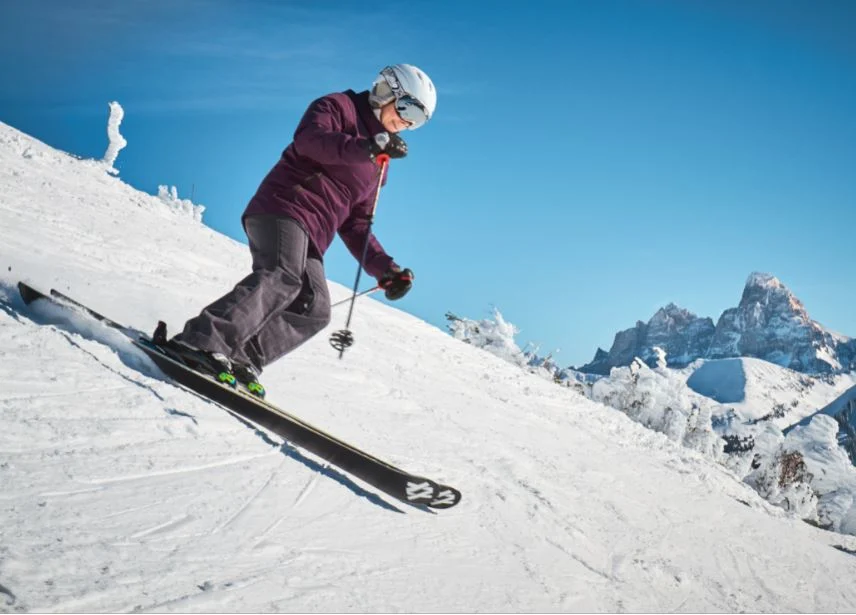
As winter approaches, avid skiers start making their preparations. Skiing can help you burn over 1,000 calories a day thanks to the intensity of the sport. Your body also uses more energy to stay warm, which is an added bonus. Skiing is a great cardio workout that helps improve balance and coordination.
Read more: Circuit training – what is it and what is it good for?
Spend a day on the slopes and you’ll feel your legs getting stronger and your mood lifting. If you’re a beginner, we recommend hiring a professional instructor to show you how to stay upright on your skis, and how to ski downhill and stop correctly. Just as at the gym, when taking part in sports that require proper technique, it’s best to trust the professionals to help you avoid injury.
One drawback of skiing, however, is that it can be a rather expensive sport. You need special gear to take part, from ski boots to a helmet and goggles. Of course, you can rent almost everything, but in the long run, it’s not the most practical choice. If you do decide to take up skiing this winter, rest assured that it can help you shed the extra fat that tends to build up at this time of year.
Ice skating

Another favorite cardio activity is ice skating. Skating improves your body’s balance and coordination and helps prevent ataxia. Just like skiing, an hour at the ice rink helps strengthen your lower-body muscles. Best of all, you can enjoy this activity with someone you love and have fun together while burning calories, much like partner yoga, for example.
These were just five examples of unusual cardio activities. There are many more, such as trampoline jumping, parkour and even competitive wood chopping.
What’s your favorite unconventional cardio activity?