

Using fitness supplements has become an almost essential part of the training routine for most people who work out. Opinions are divided on how safe they are and how they should be taken, but one thing is clear: the more knowledge and broader perspective you have on the subject, the better you understand their real benefits.
Fitness supplements are products designed to help you achieve your fitness goals more effectively and quickly. Their main functions include improving physical fitness, enhancing athletic performance, providing nutrients and supporting post-workout recovery.
What Are the Main Fitness Supplements?
Protein

Protein is an essential building block that the body needs to build muscle mass. It can be obtained naturally from foods such as fish, meat, milk and other foods, but as a supplement, it is much more concentrated, making it easier for the body to get the amounts needed for an intense workout. In addition to building muscle mass, protein also helps with post-workout recovery. Protein powder available on the market is concentrated and enriched with amino acids, making it an essential supplement for men and women who work out:
- The most popular is whey protein. It is rich in amino acids and is quickly absorbed by the body, boosts metabolism, speeds up fat burning and helps muscles recover quickly. It is recommended to take it in the morning after waking up, before and after a workout.
- Another type of protein is casein. It is absorbed slowly by the body, which is why it is used in the evening. This provides enough amino acids for the body overnight.
- Egg protein is a source of both high-quality protein and many vitamins and minerals. It is absorbed quickly by the body and provides a feeling of fullness for longer.
- Soy protein is suitable for people with lactose intolerance and for vegetarians. It contains substances that improve immune system function.
- Beef protein is also available on the market. It is extracted from beef after removing the fat and cholesterol. This is a relatively new type of protein, but it is rapidly gaining popularity.
Opinions on the optimal daily protein intake vary. According to the most conservative views, the recommended amount is calculated by multiplying body weight in kilograms by 0.8 grams. So an 80-kilogram man should consume at least 64 grams of protein per day. Other opinions, especially for people who work out at the gym, recommend multiplying the trainee’s weight in kilograms by 2.2, with the result representing the required dose in grams. In other words, at a body weight of 80 kilograms, the required daily protein intake is 176 grams.
Creatine Monohydrate
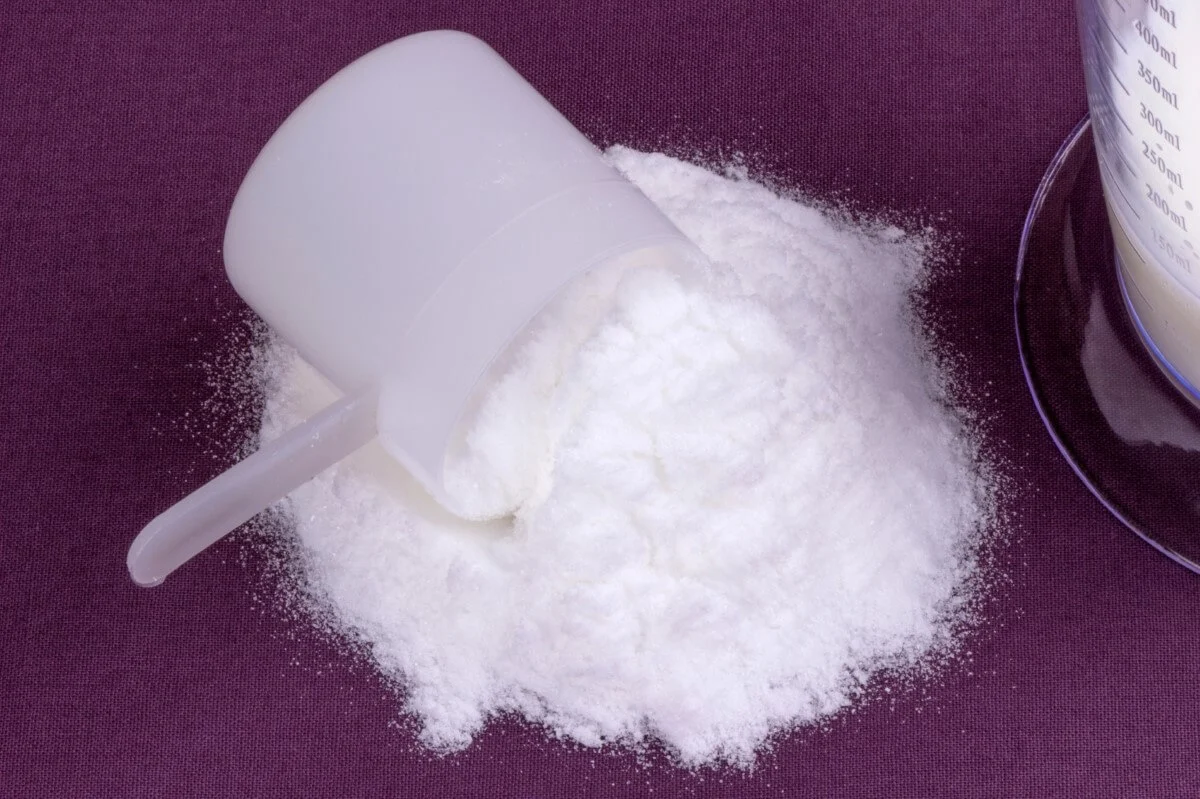
Creatine is one of the most popular supplements on the market because of its ability to increase strength and power during training. It is an organic nitrogenous acid made up of three amino acids – glycine, arginine and methionine.
Creatine acts as an “energy reserve” for the cells in our body. It speeds up the process by which the body converts ATP molecules, supplying the precursors adenosine diphosphate and adenosine monophosphate with a molecule called phosphocreatine.
Put simply, thanks to creatine, more energy is produced in less time, leading to greater endurance and faster recovery.
Taking creatine before each workout helps you make the most of your potential during high-intensity training. The optimal dose is 5 g of creatine monohydrate or 1–2 g of another form of creatine – Kre-Alkalyn, creatine ethyl ester, creatine HCL.
Carnitine (L-Carnitine)

L-carnitine is known as a fitness supplement for weight loss. It is an amino acid that the body synthesizes with the help of two essential amino acids – lysine and methionine, in the presence of vitamins B6, C, niacin and iron.
Its main function is to support energy production by transporting long-chain fatty acids across the cell membrane so they can reach the mitochondria, which are sources of energy for the muscles.
The main types of carnitine are L-carnitine ALCAR, L-Tartrate, L-Carnitine Fumarate, D-Carnitine and Glycine Propionyl-L-Carnitine (GPLC).
L-carnitine is very well tolerated by the body, and no side effects are observed when the recommended daily doses are followed. The recommended dosage is 2–4 grams, divided into 2–3 doses throughout the day—usually in the morning and before a workout. You can also get it from food L-carnitine can also be obtained from red meat and dairy products, and in smaller amounts from fruits and vegetables.
BCAAs – Branched-Chain Amino Acids

BCAA consists of three branched-chain amino acids: leucine, isoleucine and valine. The body cannot synthesize these substances on its own, so they must be obtained through food or supplements. Taken before a workout, BCAA protects the body from muscle protein breakdown into amino acids, preserving the trainee’s muscle mass.
Other key benefits of BCAA intake include supporting muscle tissue synthesis by increasing levels of the anabolic hormone insulin; reducing muscle recovery time after a workout; and promoting alertness and concentration.
BCAA intake is considered safe because they make up about one-third of the essential amino acids found in muscle tissue. In very rare cases (only with metabolic disorders and other illnesses), BCAAs can reach toxic levels in the body, but this is impossible in healthy people. On the contrary, BCAAs are used to treat some neurological and liver diseases.
To get the maximum benefits from BCAA, look for a product containing 3–10 g per serving.
Alpha-lipoic acid (ALA)

Alpha-lipoic acid is one of the most popular antioxidants. It is used as a powerful anti-aging antioxidant, and taking it as a supplement can affect your workout and muscle growth. It improves glucose uptake in muscle cells and reduces its uptake in fat cells—a highly effective approach used to build muscle and reduce fat, especially with a high-carbohydrate diet.
The recommended intake is 200–400 mg of ALA, 30 minutes before a workout or with your post-workout shake.
Beta-alanine
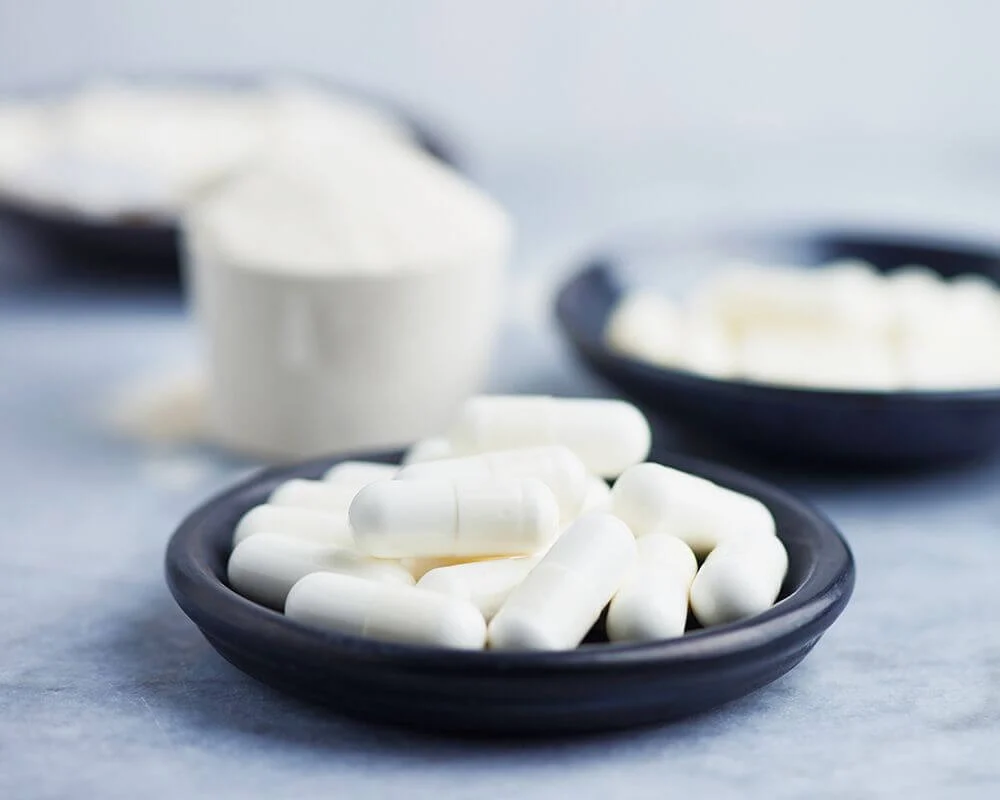
Beta-alanine is the only naturally occurring beta-amino acid in the body. Although the body synthesizes it, not in sufficient quantities, so additional intake may benefit those who train. Beta-alanine interacts with histidine to form carnosine—a dipeptide that increases endurance and delays fatigue during a workout. It cannot be taken as a supplement itself, but is produced through a combination of beta-alanine (taken as a supplement) and histidine.
Carnosine increases endurance through its antioxidant properties. As an antioxidant, it can counteract oxidative stress caused by the stress of exercise. Exercise overall lowers pH levels, which causes fatigue. Carnosine, however, can act as a buffering agent, slowing the drop in pH and neuromuscular fatigue, allowing you to train for longer.
It is recommended to take 2–2.5 g of beta-alanine 30 minutes before training, and the same amount later in the day. Take it for 28–30 days, then take a 14-day break. In some cases, beta-alanine may cause just one side effect: mild tingling and pins and needles in the skin. This is a completely normal reaction as beta-alanine is converted into carnosine, and there is nothing to worry about. Combines perfectly with creatine. Most pre-workout products on the market contain beta-alanine.
Fat Burner
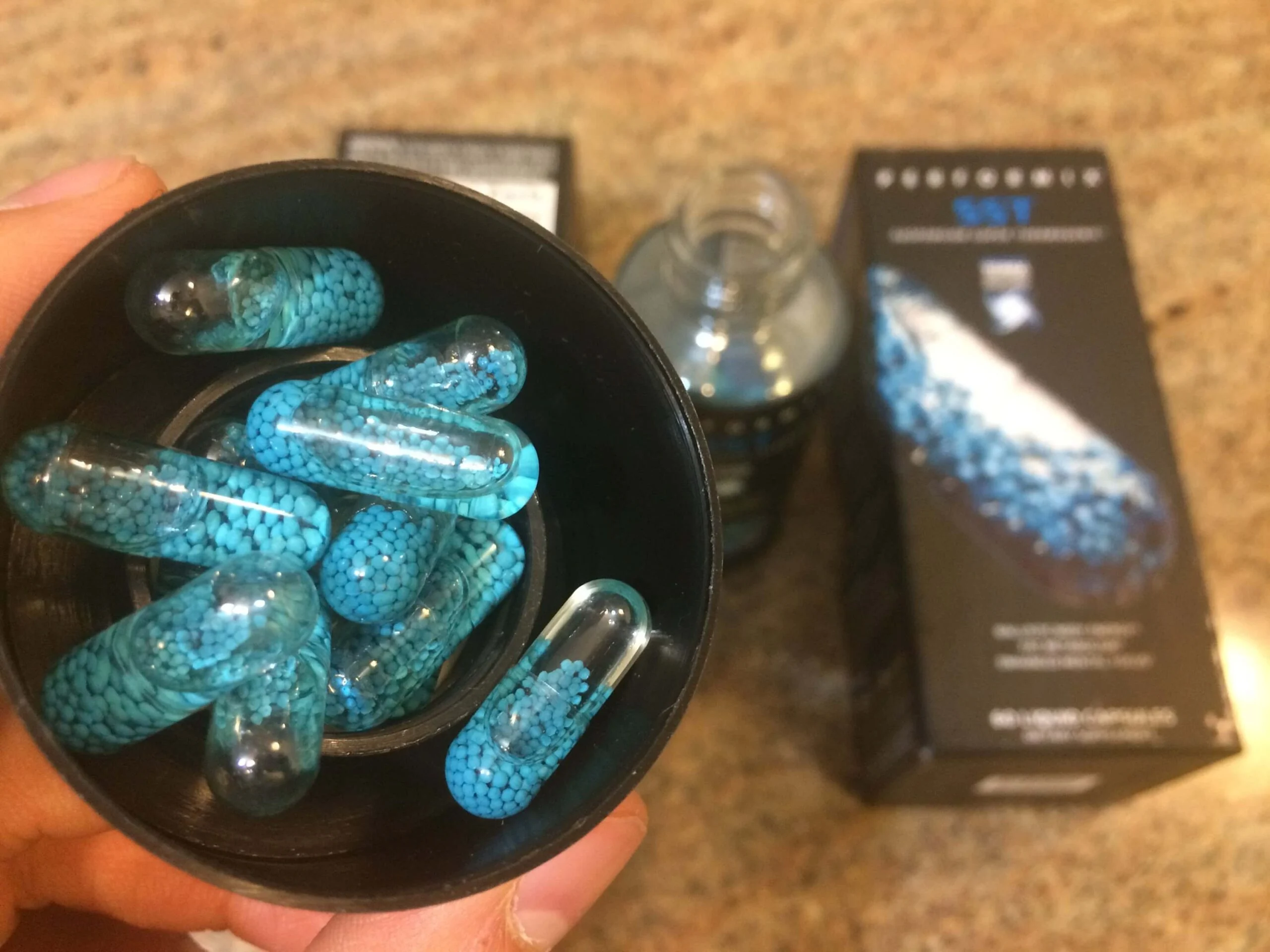
Fat-burning supplements (fat burners) primarily help the body absorb and break down fat faster, resulting in weight loss. A fat burner is a type of weight-loss supplement, which stimulates the metabolism of people who exercise by raising body temperature, making it easier to burn fat.
Fat burners are suitable for both men and women. Regular use has been shown to help you achieve results up to 65% faster. The optimal serving depends on the formula, so it is advisable to follow the instructions on the packaging. Typically, they are taken for four weeks, followed by a four-week break.
Types of fat burners include thermogenics, lipotropics, carbohydrate blockers, fat blockers, appetite suppressants, and supplements that regulate the thyroid. In some people, the thyroid cannot produce enough hormones to maintain a healthy metabolism, which can lead to weight gain, fatigue, and feeling cold all the time. These supplements help address precisely this problem. The best option for you depends on your physiological needs and goals.
Multivitamin Complex

The body needs a wide range of nutrients every day. Even a deficiency in just some essential vitamins and minerals can disrupt chemical and enzymatic processes, since each is involved in thousands of biochemical reactions, including hormone production.
In addition to supporting the body's healthy development, multivitamins can also help you reach your training goals by supplying the nutrients your body needs for strength and well-defined muscles.
Take multivitamins every day—in the morning and immediately after training. On rest days, take them in the morning only. The right type of multivitamin depends on your sex, age, fitness level, and goals.
How to Use Them Based on Your Fitness Goals
Your choice of fitness supplements should be based on your fitness goal— fat loss or muscle gain.
For Fat Loss
Suitable fitness supplements for fat loss include L-carnitine, a thermogenic fat burner, or whey protein. If you are new to supplements, it is best to start with milder options and assess after around 20–30 days whether you need something stronger.
For Muscle Gain
The most popular fitness supplements for gaining muscle mass are creatine, protein, or a combination of BCAAs, creatine, and glutamine. They primarily improve endurance, strength, and concentration.